Finding the Best Digestive Supplements for Dogs
Discover the best digestive supplements for dogs to support gut health. Our guide covers probiotics, enzymes, and how to choose the right one for your pet.
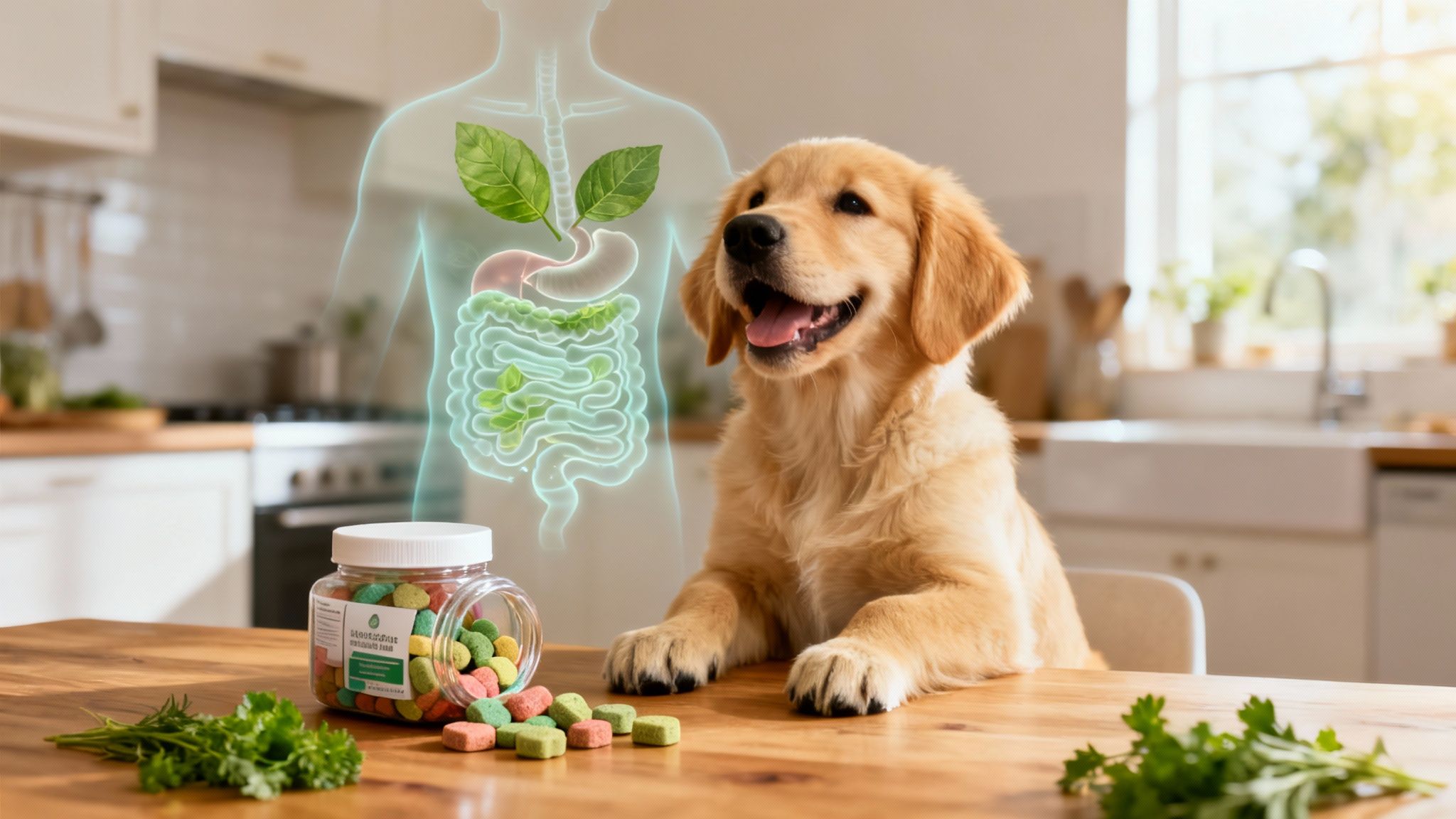
When you're searching for the best digestive supplements for dogs, you'll quickly notice a winning combination: a blend of probiotics, prebiotics, and digestive enzymes. These ingredients aren't just buzzwords; they work as a team to create a balanced gut, help your dog get the most out of their food, and boost their overall vitality, all packed into one simple chew.
Why Your Dog's Gut Health Matters

It’s true what they say: a happy dog really does start with a happy gut. You can think of your dog’s digestive system as its own little "inner ecosystem." It’s a busy, bustling community of tiny organisms that has a huge impact on everything from their mood and energy to how well they can fend off sickness. When that ecosystem is balanced and thriving, so is your dog.
But when things get out of sync, you start to see the classic signs of trouble—gas, bloating, itchy skin, or loose stools. This is where digestive supplements can be a game-changer. They aren't just for damage control; they're a fantastic way to proactively keep that delicate balance in check, making sure your dog’s internal world is running smoothly for a long, happy life.
The Foundation of Canine Wellness
The gut does so much more than just process food. It’s the command center for your dog's overall health. A healthy gut lining works like a highly intelligent gatekeeper, allowing all the good stuff (nutrients) to pass into the bloodstream while blocking the bad stuff. In fact, research shows that nearly 70% of a dog's immune system is located right there in their gut, making it the true cornerstone of their natural defenses.
When the gut is imbalanced, it can lead to inflammation, which is often the sneaky culprit behind many common dog health problems. These can show up in ways you might not expect:
- Skin Irritation and Allergies: An unhealthy gut can put the immune system on high alert, leading to frustrating issues like itchy skin, hot spots, or constant ear infections.
- Low Energy and Moodiness: If your dog isn't absorbing nutrients properly, they're running on an empty tank. This can lead to sluggishness and even anxiety.
- Digestive Upset: This one’s more obvious. Frequent gas, diarrhea, or constipation are clear red flags that the inner ecosystem is struggling.
By focusing on gut health, you're not just chasing symptoms—you're getting to the very core of your dog's vitality. It’s a proactive approach that helps their body heal and protect itself from the inside out.
Key Players in Digestive Support
Figuring out the world of the best digestive supplements for dogs is much easier once you know the main players. Each one has a specific job to do when it comes to nurturing your dog’s gut.
To make it simple, we've broken down the three most important components in this table.
A Quick Look at Key Digestive Aids for Dogs
This table provides a simple summary of the main types of digestive supplements and their primary benefits for your dog's well-being.
Think of it this way: probiotics are the new workers, prebiotics are their lunch, and enzymes are the tools they use to get the job done right. Together, they create a powerhouse team for your dog’s digestive health.
Understanding Your Dog's Inner Ecosystem
Think of your dog’s digestive system as a bustling, vibrant city. This internal city, known as the microbiome, is packed with trillions of tiny residents—bacteria, fungi, and other microbes. When everyone is living in harmony, your dog feels great. They're energetic, happy, and ready to play.
But this delicate balance is surprisingly easy to disrupt. Like any city, this inner ecosystem is sensitive to what's happening on the outside. Everyday events in your dog’s life can cause chaos, throwing the whole system out of whack and leading to problems you can definitely see (and sometimes smell).
Common Disruptors of Gut Harmony
A happy gut is one of your dog's best friends, but a few common things can easily knock it off balance. Knowing what these are is the first step to figuring out why your dog might be having tummy troubles.
Here are some of the usual suspects:
- Dietary Changes: Suddenly swapping your dog's food can be a real shock to their system. Their gut bacteria get used to one thing, and a quick switch can cause an uproar.
- Stress and Anxiety: Yep, just like us. Big life events like moving to a new house, bringing home a new puppy, or even just bad separation anxiety can directly mess with their gut.
- Antibiotics and Medications: They’re lifesavers when needed, but antibiotics don't just kill the bad bacteria; they take out the good guys, too. This leaves the gut's defenses down.
- The Aging Process: As dogs get older, their whole digestive process can slow down and become less efficient, making them more prone to imbalances.
When this balance is lost, the "bad" bacteria can take over the neighborhood. That's when you start seeing signs that are more than just a little indigestion—it’s a clue that something deeper is going on inside.
The Gut-Brain Connection in Dogs
You’ve probably heard the gut called the "second brain," and it’s no different for our dogs. The gut and brain are constantly talking to each other through a complex network of nerves and hormones. An upset gut can send stress signals to the brain, and a stressed-out brain can cause digestive havoc.
It's a two-way street. This explains why a dog with ongoing digestive issues might also seem extra anxious or cranky. It’s not all in their head; their physical discomfort is genuinely affecting their mood.
A calm, balanced gut helps promote a calm, happy dog. That’s why supporting digestive health is so fundamental, especially if you're trying to manage nervousness or stress-related behaviors.
By taking care of their gut with the best digestive supplements for dogs, you're also looking out for their emotional well-being. It’s a perfect example of how everything in a dog's body is connected.
From Gut Imbalance to Visible Symptoms
When the city inside your dog’s gut is in chaos, the effects tend to spill over into other parts of their health. We often treat these issues as separate problems, but they frequently trace back to that core imbalance.
It’s a ripple effect. Trouble starts in the gut and spreads outward, showing up in ways that might not seem related at first.
- Digestive Distress: This one’s the most obvious. Things like terrible gas, bloating, diarrhea, or constipation are clear signs that the gut is struggling.
- Skin and Coat Issues: A gut that's out of sync often leads to system-wide inflammation. On the outside, this can look like itchy skin, hot spots, a dull coat, or even recurring ear infections.
- Weakened Immunity: A huge chunk of the immune system—about 70% of it—is located right in the gut. When the gut is compromised, your dog is more likely to get sick.
Realizing that these common problems often start in the gut is a game-changer. It helps you shift from just chasing symptoms to fixing the root cause. Supporting your dog's gut health isn't a quick fix; it's a foundational part of keeping them happy and healthy for the long haul.
Decoding Digestive Supplement Ingredients
Trying to figure out what's in your dog's supplements can feel like reading a foreign language. You see words like "probiotics," "prebiotics," and "enzymes" on the label, but what do they actually do? Getting to know these key players is the first step toward picking a supplement that will make a real difference for your pup.
Think of your dog’s gut as a garden. To make that garden flourish, you need the right team of workers, the right fertilizer, and the right tools. Each ingredient in a digestive supplement plays a specific role in keeping that internal ecosystem healthy and thriving.
Let's break down the "big three" ingredients to see how they work.
This infographic shows just how much a healthy gut impacts your dog's mood, immunity, and energy.
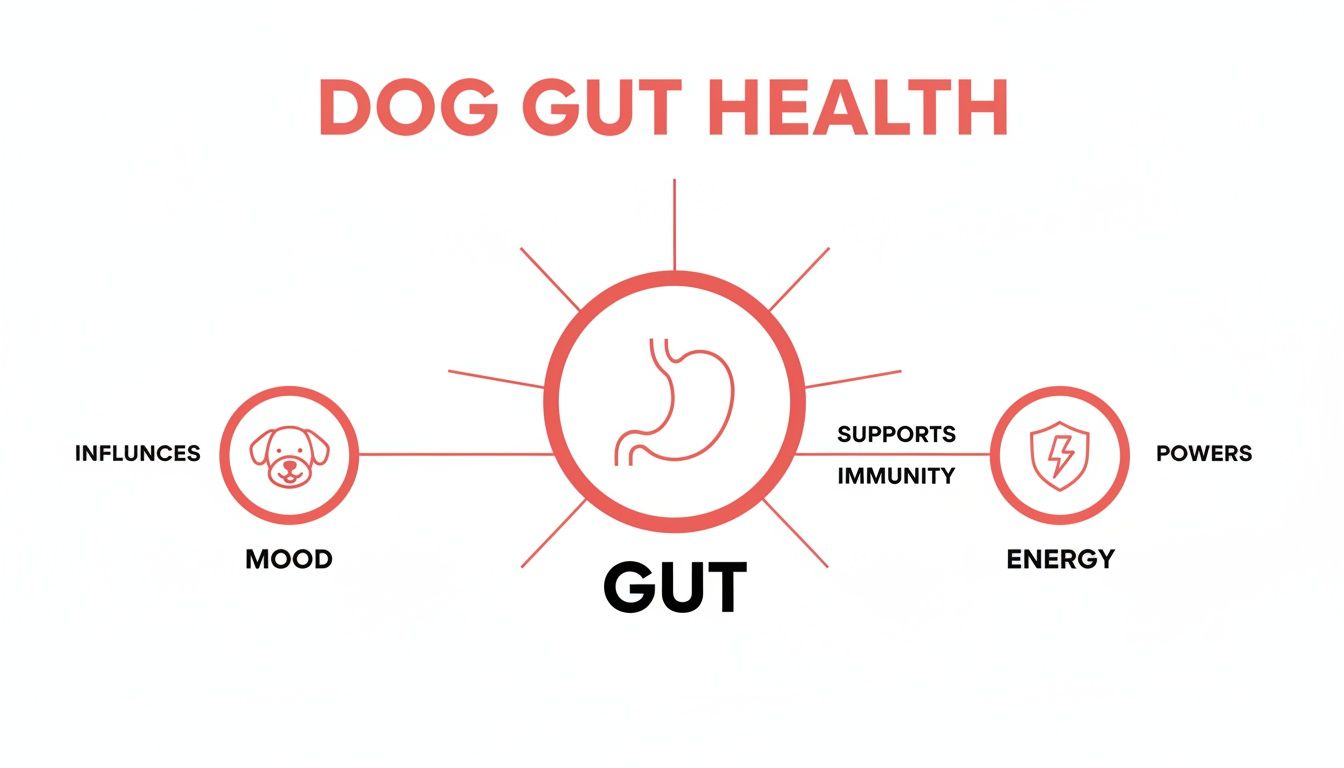
As you can see, a happy digestive system is ground zero for your dog's overall well-being. It does way more than just process food.
Probiotics: The Friendly Bacteria
Probiotics are the "good guys" living in your dog's gut. These are live, beneficial bacteria that help keep the peace in the massive microbial community inside the digestive tract. Imagine your dog's gut is a tiny city—probiotics are the helpful citizens who keep things running smoothly, pushing out the troublemakers (the bad bacteria).
Things like stress, a sudden diet change, or a round of antibiotics can cause the good bacteria population to take a nosedive. This gives harmful bacteria an opening to take over, which often leads to problems like diarrhea, gas, or a struggling immune system. Adding a probiotic supplement helps bring in reinforcements.
The best probiotic supplements for dogs contain specific, well-researched strains. For example, strains like Enterococcus faecium and Lactobacillus acidophilus have been shown to support gut health and improve stool quality in dogs.
Basically, you're sending in backup to support your dog’s internal defense team. They're critical for restoring balance and building a more resilient gut.
Prebiotics: The Fuel for Good Bacteria
If probiotics are the good bacteria, then prebiotics are their power lunch. Prebiotics are a special type of plant fiber that your dog can't digest. Instead, these fibers make their way down to the gut where they become a nutritious meal for the good probiotic bacteria.
Think of it like this: you can plant a garden full of flowers (probiotics), but if you don't give them any fertilizer (prebiotics), they won't grow strong or multiply. Prebiotics give those good bacteria the fuel they need to settle in and colonize the gut for the long haul.
You'll often see these prebiotic sources in dog supplements:
- Fructo-oligosaccharides (FOS): A fiber commonly found in plants like chicory root.
- Inulin: Another beneficial fiber that feeds the good bugs.
- Acacia Gum: A gentle prebiotic known to support a healthy gut lining.
By including prebiotics, a supplement doesn't just add good bacteria—it creates an environment where they can actually thrive. This tag-team approach is why formulas with both are usually much more effective.
Digestive Enzymes: The Nutrient Unlockers
Last but not least, we have digestive enzymes. These powerful proteins are like tiny scissors that snip food apart into smaller, easy-to-absorb pieces. A dog's body produces enzymes on its own, but things like age or certain health issues can slow production down. This means that even if you're feeding top-notch food, your dog might not be getting all the good stuff out of it.
Digestive enzymes help unlock the full nutritional potential of every meal. They each have a specific job:
- Amylase breaks down carbohydrates.
- Protease tackles proteins.
- Lipase works on fats.
- Cellulase helps break down tough plant fiber.
For older dogs or those with sensitive tummies, adding enzymes can be a game-changer. It takes some of the pressure off their digestive system, helps them absorb more nutrients, and can cut down on gas and bloating.
How These Ingredients Work Together
The real magic happens when you combine these three key ingredients. It’s no surprise that the global pet supplements market is expected to grow from USD 3.14 billion in 2025 to USD 4.82 billion by 2032, largely because owners are seeing how much targeted gut support helps pets with sensitive stomachs. You can explore more about these market trends and their drivers.
To help you remember the distinct role each one plays, here's a quick comparison.
Comparing Essential Digestive Supplement Ingredients
This table breaks down the job and main benefits of the most common ingredients you'll find in canine digestive aids.
Once you understand what probiotics, prebiotics, and digestive enzymes bring to the table, you can read labels with confidence and choose a supplement that gives your dog the complete support they need. A formula that thoughtfully combines these elements is your best bet for building a foundation of health from the inside out.
How to Choose the Right Supplement for Your Dog
Walking down the supplement aisle can feel like a pop quiz you didn't study for. With so many options, how do you find the right one? The secret is to ignore the flashy marketing and focus on what really counts: quality, formulation, and your dog's individual needs.
Think of it like shopping for your own family. You read the labels, you look for ingredients you can actually pronounce, and you trust brands that are open about how their products are made. Applying that same common-sense approach will help you pick one of the best digestive supplements for dogs with confidence.
Look for High-Quality Hallmarks
Let’s be honest, not all supplements are created equal. The good ones have tell-tale signs of quality that set them apart, ensuring they’re both safe and effective. When you're comparing bottles, these are the non-negotiables to look for.
- Human-Grade Ingredients: This is a big one. It means the ingredients meet the same strict safety and handling standards required for human foods. It's a powerful signal of purity you can trust.
- Scientific Formulation: The best formulas aren't just thrown together; they're developed by veterinarians or animal nutritionists. Look for brands that back their products with real science and research.
- Transparent Manufacturing: Reputable companies have nothing to hide. They should be upfront about where their supplements are made and the quality control steps they take along the way.
Spotting these hallmarks helps you cut through the noise and zero in on products from companies that are genuinely committed to your dog’s health.
Match the Supplement to Your Dog’s Needs
Every dog has their own story. Their age, breed, and health history create a unique profile, and the best supplement is one that fits them perfectly.
Think about these key factors:
- Age: A bouncy puppy, a prime-of-life adult, and a wise senior all have different digestive machinery. A senior dog, for instance, naturally produces fewer digestive enzymes, so a supplement can help them get more goodness out of their meals.
- Breed: Some breeds just come with certain quirks. German Shepherds are famous for their sensitive stomachs, while Bulldogs can be notoriously gassy. A supplement can provide targeted support for these common issues.
- Health Challenges: If your dog is dealing with food sensitivities, a sluggish immune system, or is bouncing back from an illness, their gut needs a little extra love. The right supplement can help calm things down and restore balance.
When you tailor the supplement to your dog's specific needs, you're not just giving them a generic boost—you're providing precise support right where they need it most.
We're not the only ones paying attention to our dogs' gut health. The global market for dog intestinal health supplements was valued at a whopping USD 37.8 billion in 2025 and is expected to hit USD 59.9 billion by 2035. This boom is fueled by owners looking for proven formulas with digestive enzymes, fiber, and probiotics to tackle common issues like allergies and food sensitivities. You can learn more about this expanding market on futuremarketinsights.com.
Consider the Format and Ease of Use
At the end of the day, even the world's greatest supplement is useless if you can't get your dog to take it. The format—how you give it to them—is just as important as the formula.
While you'll find supplements in powders, pills, and liquids, there's a reason so many owners (and their dogs) have a clear favorite.
Soft chews often come out on top. Why? Because to a dog, they’re a treat! There’s no wrestling with pills or trying to hide messy powders in their food, which a picky eater will sniff out from a mile away. This simple convenience makes it easy to be consistent, and consistency is everything when it comes to seeing real benefits.
Making Supplements a Seamless Part of Your Routine

So, you’ve picked out the perfect digestive supplement and you're ready to get started. Great! But how do you actually work it into your dog's day without any fuss? The trick is to introduce it slowly and make it feel like a treat, not a chore.
Think about it like adding a new, healthy food to your own diet—you probably wouldn't go all-in on day one. A gradual start gives your dog’s digestive system a chance to get used to the new ingredients, which is the key to a smooth and successful beginning.
Starting Off on the Right Paw
When you first start, the "less is more" approach is definitely the way to go. This gentle introduction helps avoid any little digestive surprises while your dog's gut microbiome gets acquainted with the new support.
Here’s a simple game plan to make it easy:
- Start with a Half Dose: For the first 3-5 days, just give your dog half of the recommended serving. This is a must for dogs with sensitive stomachs, as it lets their system adapt without feeling overwhelmed.
- Mix It In: If it's a soft chew, you can give it as a special treat or just crumble it right on top of their food. The idea is to make it a normal, delicious part of their meal.
- Keep a Casual Eye: Pay a little attention to their stool quality and energy levels. Most dogs handle it perfectly, but this just confirms everything is going well.
- Move to the Full Dose: After that initial adjustment period, you can confidently switch to the full dose recommended on the label.
Consistency is more important than perfection. Sticking to a daily routine is what really allows the good stuff in the best digestive supplements for dogs to build up and make a real difference in their gut.
Setting Realistic Timelines for Results
Patience is your best friend here, especially when you're working on gut health. While some dogs might show improvements pretty quickly, building a truly balanced digestive system takes time. The timeline really depends on where your dog is starting from.
Here are a couple of real-world examples to help you know what to expect:
- For a young, active dog with occasional gas or loose stool, you might see firmer stools and a happier tummy within the first 1-2 weeks. Their systems are often resilient and can bounce back fast.
- For an older dog who has trouble absorbing nutrients, it could take 4-8 weeks to see bigger changes. You might notice their energy picking up or their coat looking shinier before you even see digestive improvements—a sign their body is finally getting more from their food.
Remember, you're not just looking for a quick fix. You're making a long-term investment in their well-being.
The Power of a Consistent Routine
The secret to getting the most out of any supplement is making it a non-negotiable part of your daily life. The easiest way to do that? Just link it to something you already do every day, like their morning or evening meal.
When you turn "supplement time" into a predictable and positive ritual, you're building a solid foundation for their health. Over time, that simple daily chew becomes a powerful tool for keeping them vibrant, supporting their immunity, and making sure their inner world is just as happy as they are.
Got Questions About Digestive Supplements? We've Got Answers.
It’s completely normal to have a few questions before adding something new to your dog’s routine. Making a choice about their health is a big deal, and you want to feel good about it.
Let's clear up some of the most common questions we hear from dog owners.
Can I Just Give My Dog My Own Digestive Supplements?
This is a really common question, and the answer is a hard no. Please don't share your supplements with your dog.
Our digestive systems are wired differently, and human products often contain ingredients that are perfectly safe for us but dangerous for dogs. Xylitol, a common sweetener, is a prime example—it’s extremely toxic to them.
Plus, the dosages are calculated for human bodies, not canines. Always stick with a supplement made specifically for a dog’s unique biology. It’s the only way to be sure it's both safe and effective.
How Long Does It Take to See a Difference?
How quickly you’ll see results really depends on your dog and the issue you're trying to solve. For simple things like a bit of gas or mild bloating, you might see improvements within just a few days.
But for more chronic problems, like skin issues rooted in gut health or rebalancing a seriously out-of-whack microbiome, you need to be more patient. It typically takes 4 to 8 weeks of daily use to see real, lasting changes.
Think of it like this: you're helping nurture a complex ecosystem. The good bacteria and supportive enzymes need time to set up shop and start making a difference. Consistency is everything.
Should I Be Worried About Any Side Effects?
The great news is that high-quality, properly made digestive supplements are incredibly safe for most dogs. When you first start, you might notice some mild gas or a looser stool as their system gets used to the new ingredients.
This is totally normal and usually clears up within a week. A good trick to avoid this is to start with half the recommended dose for the first few days and gradually work your way up. If the upset continues, it’s always smart to check in with your vet.
There’s a reason these supplements are becoming so popular. The Dog Probiotic Supplements Market was valued at a whopping USD 467.3 million in 2024 and is on track to more than double by 2035. This isn't just hype; it's backed by real science. For instance, a 2024 study found a 42% reduction in acute diarrhea in dogs taking a specific probiotic blend. It also explains why easy-to-give soft chews now make up 48% of the entire pet supplement market. You can discover more about the rise of dog probiotics on metatechinsights.com.
Does My Dog Really Need a Digestive Supplement?
Not every single dog out there absolutely needs one, but a huge number of them can benefit from the support. They’re especially helpful during times that put extra strain on their gut.
It’s a great idea to consider a supplement if your dog:
- Struggles with Tummy Troubles: If they’re often gassy, bloated, or have inconsistent stools, a supplement can bring much-needed relief.
- Is on Antibiotics: These drugs are notorious for wiping out the good gut bacteria along with the bad. Probiotics help build it back up.
- Is a Senior Dog: An older dog's digestive system isn't as efficient, and a supplement can help them get more from their food.
- Is Stressed Out: Moving, a new family member, or even loud noises can throw a dog's gut out of balance. A supplement provides stability.
Even for a healthy dog, supporting their gut is a powerful way to boost their immune system and invest in their long-term wellness. Think of it as a simple, proactive step toward a happier, healthier life together.

Karolis is the Founder of FORMA, a pet wellness brand focused on longevity and daily nutrition for dogs. Writes about supplements, canine health, and helping pets live longer, healthier lives
Join thousands of pet parents getting science-backed health insights and natural care advice