Best dog food for longevity: Essential tips for a healthier, longer life
Explore the best dog food for longevity with science-backed nutrients, feeding plans, and real-world tips to help your dog stay healthy and live longer.

When you're searching for the "best" dog food for longevity, you're really looking for a diet that's minimally processed, built around high-quality animal protein, and loaded with antioxidants that are right for your dog's age and breed. It’s about moving past the idea of just filling the bowl and focusing on nutrient-dense foods that actively protect their cells and slow down the aging process.
Nutrition: The Key to Unlocking Your Dog’s Lifespan

Every dog owner wants the same thing: more healthy, happy years with our best friends. While things like genetics and vet check-ups matter, the one thing you have complete control over is what you put in their food bowl each day. It’s a simple idea, but a powerful one—food is the foundation for a long and vibrant life.
Think of it this way: your dog's body is a house you're building to stand for decades. Highly processed, low-grade foods are like using flimsy materials. The house might look okay for a while, but it won't hold up over time. A longevity-focused diet, on the other hand, is like using the best possible materials for the job.
High-quality proteins are the bricks and mortar, essential for repairing tissues and keeping muscles strong as your dog gets older. Fruits and vegetables rich in antioxidants act like a protective coat of paint, shielding the house from wear and tear at a cellular level. And healthy fats, like Omega-3s, are the wiring and plumbing that keep everything running smoothly—from their brain to their joints.
The Power of Fresh Ingredients
The difference between highly processed kibble and fresh food is huge. In fact, some fascinating studies have shown that switching dogs to fresh food diets can extend their lifespan by up to 2.5 years. This isn't just a marketing claim; it's based on research showing that fresh, human-grade ingredients hold onto vital nutrients that are often destroyed during the high-heat manufacturing of traditional kibble.
Even a small change can make a massive difference. Adding just 20% fresh food to a dog’s regular diet has been shown to reduce cancer cell growth by an incredible 70-90%. You can find more details on the benefits of fresh food for dogs on wagtantrum.com.
A proactive approach to nutrition doesn't just manage health problems—it aims to prevent them from starting in the first place. By focusing on whole foods, you give your dog's body the tools it needs for continuous repair and resilience against age-related decline.
This is a shift in mindset—from simply feeding your dog to truly nourishing them. The goal isn't just to extend their lifespan, but to maximize their "healthspan," ensuring their golden years are just as active and joyful as their puppy days.
Essential Components of a Longevity Diet
To build that foundation for a long, healthy life, your dog's diet needs to rest on a few key pillars. Once you understand these, you'll be able to read any dog food label and make a smart choice.
Here’s a quick breakdown of what truly matters in a longevity-focused diet.
Key Pillars of a Canine Longevity Diet
These four components work together to create a diet that doesn't just sustain your dog, but actively helps them thrive for years to come. Look for these ingredients on the label, and you'll be on the right track.
The Building Blocks of a Long and Healthy Life
When you're trying to pick the best food for your dog's longevity, it helps to peek inside their bowl and understand what's really fueling them. Think of it like a chef choosing ingredients for a masterpiece—a truly great dog food combines specific nutrients that work in harmony to support a long, vibrant life. These are the fundamental building blocks for everything from strong muscles to a sharp mind.
The most crucial components fall into two camps: macronutrients (protein, fats, and carbs) and micronutrients (vitamins and minerals). Getting the right mix isn't just about hitting a baseline; it’s about giving your dog the optimal fuel to repair, protect, and energize their body for the long haul.
The Power of High-Quality Protein
Picture high-quality animal protein as your dog’s personal ‘repair crew.’ Day in and day out, their body is rebuilding cells, mending tissues, and keeping muscles strong. As dogs get older, they naturally begin to lose muscle mass (a condition called sarcopenia), which can leave them weaker and less active. A diet packed with easily digestible protein gives their body the amino acids it needs to fight back against this decline.
Of course, not all protein is created equal. Protein from whole foods like chicken, beef, or fish is far easier for a dog’s body to break down and use than low-grade fillers like "meat meal" or vague by-products. Making sure their food has at least 18-25% high-quality protein (on a dry matter basis) is a solid target for most adult dogs. This foundational nutrient supports everything from their immune response to their skin and coat.
Cellular Bodyguards and Brain Fuel
Beyond protein, other key nutrients take on specialized roles, protecting your dog’s body from the inside out. When it comes to a longer healthspan, healthy fats and antioxidants are the real MVPs.
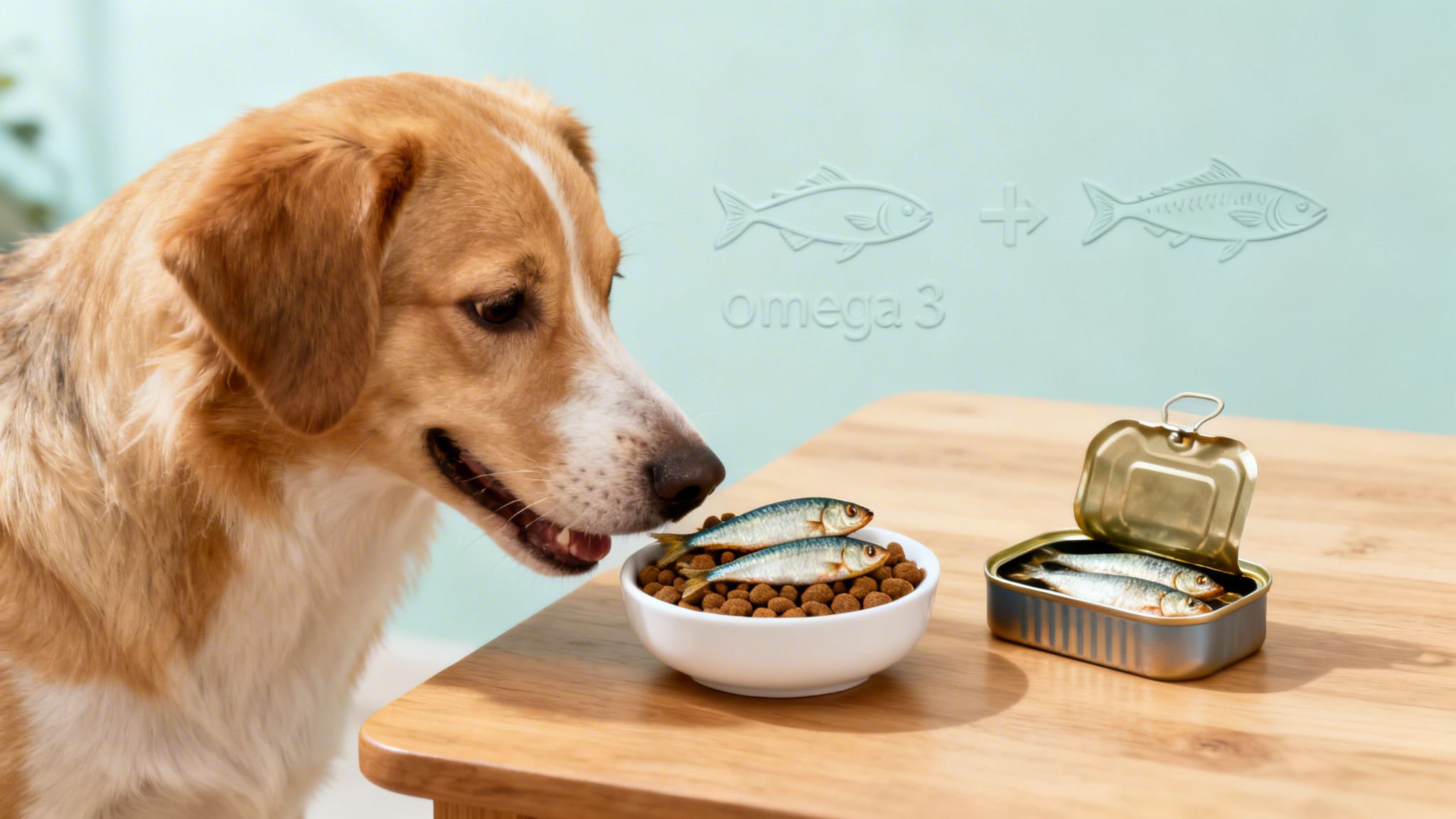
Omega-3 Fatty Acids: These are the unsung heroes of canine wellness. Think of them as the ‘lubricant’ for your dog's joints and the ‘power grid’ for their brain. Found in sources like fish oil, Omega-3s are potent anti-inflammatories. They soothe achy joints, keep senior minds sharp, and support a healthy heart. Since chronic inflammation is a major driver of aging and disease, Omega-3s are a critical tool for keeping it under control.
Antioxidants: Ingredients like blueberries, spinach, and carrots are loaded with antioxidants. These compounds are your dog's ‘cellular bodyguards,’ fighting off unstable molecules called free radicals that cause damage known as oxidative stress. This kind of damage is a huge part of the aging process and is linked to serious issues like cancer and cognitive decline.
A diet rich in natural antioxidants from whole foods gives your dog’s cells a constant defense system, shielding them from the daily wear and tear that leads to age-related problems. This is way more effective than just relying on synthetic vitamins.
Why Whole Foods Matter Most
At the end of the day, where these nutrients come from is just as important as the nutrients themselves. The best dog foods for longevity are built on whole, recognizable ingredients. A dog’s digestive system is made to get nutrition from real food, not a long list of synthetic chemicals and cheap fillers.
When you see fresh meat, colorful vegetables, and healthy grains on the label, you can feel confident your dog is getting nutrients in their most natural, effective form. This whole-food approach leads to better absorption and delivers a full spectrum of beneficial compounds that work together, giving your companion the best possible foundation for a long and happy life.
How to Read Dog Food Labels for Longevity Clues
Trying to choose the best dog food can feel like you’re staring at a wall of confusing options. But here's the secret: the dog food label has all the answers you need, you just have to know the code. Think of yourself as a detective and the label as your evidence.
Your investigation starts with the ingredient list. By law, ingredients are listed by weight, starting with the heaviest. This means the first five ingredients tell you almost everything you need to know about the food's quality.
Focus on the First Five Ingredients
The very first ingredient should always be a named, whole-animal protein. You want to see specific words like "deboned chicken," "beef," or "salmon." These are the high-quality, easy-to-digest proteins that build and repair muscle and keep your dog thriving.
On the flip side, vague terms are a major red flag. If the label says "meat by-products" or "meat and bone meal," you have no real idea what's in there. These are often lower-quality, less digestible protein sources that have no place in a diet meant to support a long, vibrant life.
After the protein, look for whole foods like sweet potatoes, brown rice, blueberries, and carrots. These provide good carbs for energy, fiber for a healthy gut, and antioxidants to combat aging at a cellular level. If fillers like corn, wheat, or soy are crowding the top of the list, it's a sign that the food is skimping on real nutrition.
This guide can help you map out your decision, whether you're considering traditional kibble or a fresh food diet.
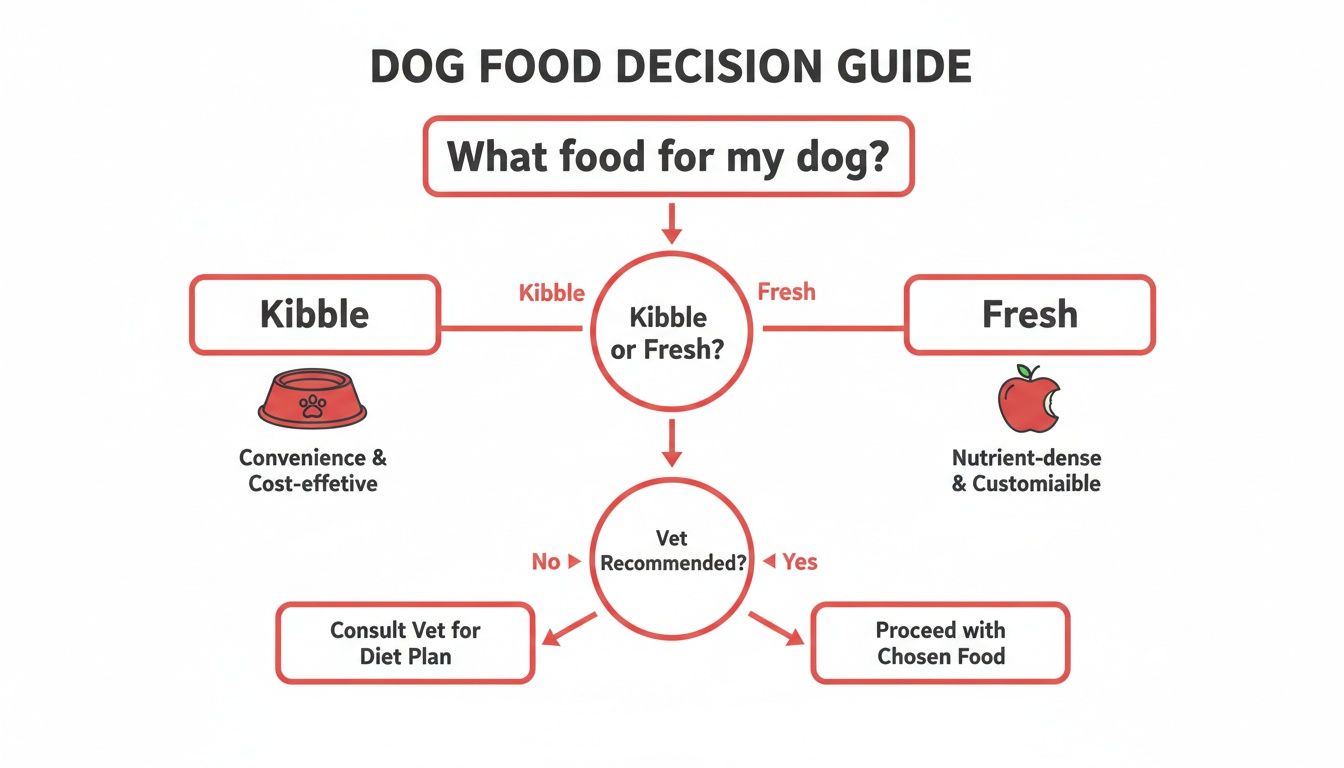
As the flowchart shows, you can find good options in both categories. However, fresh food often gets the edge for longevity because it’s minimally processed, which helps keep more of the good stuff intact.
Decoding the Guaranteed Analysis
Next up on the label is the Guaranteed Analysis. This is the box that lists the minimum percentages of crude protein and fat, and the maximum percentages of fiber and moisture. It seems simple, but these numbers can be a bit deceiving on their own.
For instance, a food advertising 25% crude protein looks great on the surface. But if that protein comes from low-quality by-products, it’s not nearly as beneficial as a slightly lower percentage from whole, deboned chicken. Quality always trumps quantity.
Pro Tip: Never take the Guaranteed Analysis numbers at face value. Always check them against the ingredient list to see where the nutrients are coming from. The source of the protein is what really matters.
To make things easier when you're in the pet food aisle, I've put together a quick cheat sheet. It's a simple guide to help you spot the good, the bad, and the ugly on any dog food label.
Green Flags vs Red Flags on a Dog Food Label
Once you know how to spot these simple clues, you can confidently walk down that aisle and pick a food that truly sets your dog up for a long, happy, and healthy life with you.
Comparing Popular Diets for Canine Longevity
Trying to figure out the best food for your dog can feel overwhelming. You’ve got high-quality kibble, fresh home-cooked style meals, and raw food diets all claiming to be the key to a longer, healthier life. So, where do you even start?
The truth is, there's no single "best" diet for every dog. The goal is to find what works for your dog's specific needs, your budget, and your lifestyle. Let's break down the three most common approaches so you can have a more informed chat with your vet.
Premium Kibble: The Convenient Foundation
For most dog owners, high-quality kibble is the go-to choice. It's convenient, has a long shelf life, and is formulated to be nutritionally complete right out of the bag. Reputable brands base their formulas on solid research and meet the standards set by organizations like AAFCO (Association of American Feed Control Officials), so you can be confident your dog is getting a balanced meal.
The biggest plus here is reliability. It’s easy to store, serve, and know exactly what nutrients your dog is consuming. The downside? The high-heat cooking process, called extrusion, can sometimes reduce the potency of certain vitamins and destroy the natural enzymes you’d find in whole foods. When you're reading the label, look for a named animal protein (like "chicken" or "beef," not "meat meal") as the very first ingredient.
Fresh Food Diets: A Focus on Whole Ingredients
Fresh-cooked diets have exploded in popularity as more people look for less processed options for their pets. These meals usually contain human-grade meats and veggies that are gently cooked to preserve their nutritional value before being frozen or refrigerated. The philosophy is simple: dogs thrive on whole foods, just like we do.
This approach has some real potential benefits for longevity. Gentle cooking helps keep natural antioxidants and vitamins intact, which can fight inflammation and support a strong immune system. Plus, the high moisture content is fantastic for keeping your dog hydrated and supporting healthy kidney function. It’s definitely pricier and takes up freezer space, but many owners say the improvements in their dog's coat, energy, and digestion are well worth it.
A growing number of pet owners are moving toward less processed foods. While dry food held a 56.38% market share in 2022 for its convenience, the fresh and frozen food segments are growing rapidly. Projections show the frozen pet food market could expand from USD 16.1 billion to 26.8 billion by 2035, a clear signal that owners want nutrient-rich options. Discover more insights about this trend in the global dog food market.
Raw Food Diets: An Ancestral Approach
Raw diets, sometimes called BARF (Biologically Appropriate Raw Food), are all about feeding dogs what their wild ancestors would have eaten. This usually means a mix of uncooked muscle meat, bones, organs, and a small amount of fruits and vegetables. Fans of this approach often report benefits like cleaner teeth, healthier skin, and smaller, firmer stools.
The biggest challenge with raw feeding is safety. You have to be extremely careful with handling to prevent bacterial contamination from pathogens like Salmonella and E. coli, which can sicken both you and your dog. It's also tricky to get the nutritional balance just right without expert help. If this philosophy resonates with you, commercially prepared raw diets are often a safer and more convenient option to ensure all your dog's needs are met.
Targeted Supplements for a Proactive Health Plan
Even the absolute best dog food on the market can use a little boost. Think of your dog's diet as the solid foundation of a house—it's essential. But targeted supplements? They're like the high-tech security system and top-notch insulation. They fill in any potential gaps and add extra reinforcement where it counts, especially as our dogs get older.
This is all about being proactive. Instead of waiting for creaky joints or a sensitive tummy to show up, we can use specific nutrients to keep their body resilient and running smoothly. It’s a smarter way to build a complete wellness plan that supports your dog from the inside out.
The idea isn't to start piling a dozen different powders and pills into their dinner bowl. It's about being strategic. Just a few carefully chosen, high-impact supplements can make a world of difference in keeping their joints mobile, their gut healthy, and their cells protected for years.
Core Supplements for Canine Longevity
When you're looking to support your dog's long-term health, a few key players consistently rise to the top. These supplements work hand-in-hand with a quality diet, creating a powerful combination for wellness.
Glucosamine and Chondroitin for Joint Mobility: These are the natural building blocks of cartilage—the cushiony stuff that keeps your dog's joints moving freely. Daily wear and tear can break down that cartilage over time, leading to stiffness and arthritis. Supplementing with glucosamine is like sending in a dedicated repair crew for their joints, helping to rebuild cartilage and maintain the joint fluid that keeps them limber.
Probiotics for a Healthy Gut: Your dog’s gut is a bustling ecosystem, and it has a huge impact on their overall health, from their immune response to even their mood. Probiotics are the "good guys"—beneficial bacteria that keep the gut environment balanced, which in turn helps with digestion and absorbing all the good stuff from their food. A happy gut means your dog is getting the most out of every meal.
Antioxidants for Cellular Defense: Day in and day out, your dog's cells are under attack from unstable molecules called free radicals. You can think of this process as being similar to how a car slowly rusts. Antioxidants, like vitamins C and E, are the defense force that neutralizes these troublemakers, protecting cells from the damage that speeds up the aging process. A good diet has antioxidants, but a supplement offers an extra shield.
This kind of focused, preventative care is becoming the new normal for pet parents. We're seeing a huge shift in canine nutrition, with the dog food market expected to grow at a 6.69% CAGR through 2030. This is largely driven by owners just like you who are actively looking for foods and supplements that support joint care, gut health, and healthy aging. You can see the data behind these pet food market trends for yourself.
An easy way to weave this into your daily routine is with a superfood chew like FORMA. It simplifies everything by combining calming herbs, probiotics, and other key nutrients into one simple treat. This way, your dog gets consistent support for their joints, gut, and overall well-being without any fuss.
Beyond the Bowl: Simple Habits for a Longer Life

Nailing your dog’s nutrition is a huge win, but what they eat is only part of the story. A long, vibrant life comes from the small, everyday habits that support their whole being—mind and body. Think of it this way: their food is the high-quality fuel, but their daily lifestyle is the engine that puts that fuel to good use.
The good news is that you don't need to completely upend your routine. These are simple, consistent actions that add up over time, having a massive impact on your dog's healthspan. By weaving these habits into your life, you build an environment where your dog doesn't just live, they flourish.
Maintain a Lean Body Condition
If there’s one single thing you can do to add years to your dog’s life, it’s keeping them at a healthy weight. The research is clear: lean dogs can live up to two years longer than their heavier friends. That extra weight puts a huge amount of stress on their joints, heart, and organs, essentially speeding up the aging process.
There's an easy way to check this at home—the "rib test." You should be able to feel their ribs under a light layer of tissue, not a thick pad of fat. When you look down at them from above, you should see a clear, tucked-in waist. If you’re not sure, your vet is your best resource for assessing their body condition score and helping you get them to a healthy target.
Keeping a dog lean isn't just about looks; it's about fighting chronic inflammation. Excess fat actually produces inflammatory hormones that are tied to arthritis, diabetes, and other diseases we see in older dogs. Keeping them trim is one of the most powerful preventative health measures you can take.
The Power of Play and Mental Enrichment
A sharp mind is just as vital as a strong body. Giving your dog’s brain a regular workout prevents boredom, eases anxiety, and helps keep them mentally agile as they get older. You don't need to block out hours for this—just 15 minutes of focused mental work each day can make a world of difference.
Try working these simple activities into your week:
- Puzzle Toys: These make your dog work for their food, turning a simple meal into an engaging brain game.
- "Find It" Games: Hide a few tasty treats around the house and let your dog’s incredible sense of smell do the work. It’s a fun, low-impact way to get them thinking.
- Training Sessions: Brushing up on old commands or teaching a new trick is a fantastic way to connect with your dog while firing up their neurons.
Consistent and Moderate Exercise
When it comes to exercise, consistency beats intensity every time. Daily walks, a good game of fetch, or a light jog are all perfect for maintaining muscle tone, keeping joints healthy, and managing weight. The trick is to find an activity your dog genuinely loves and make it a non-negotiable part of your daily routine.
For seniors, think low-impact. Swimming or gentle walks on softer surfaces like grass or trails are much easier on their joints. The goal is simply to keep them moving comfortably every single day to support their heart and mobility, making sure their golden years are as active and happy as possible.
A Few Common Questions About Feeding for Longevity
Let's be honest, trying to figure out the best diet for your dog can feel overwhelming. You're not alone. To clear up some of the confusion, I've answered a few of the most common questions I hear from dog owners who want to give their pets the longest, healthiest life possible.
When Should I Switch My Dog to a Senior Food?
There’s no magic number here. While the general rule of thumb says a dog is a “senior” around age seven, it really depends on the dog. A tiny Chihuahua might not show signs of aging until much later, whereas a Great Dane could be considered a senior by age five.
Instead of watching the calendar, watch your dog. Are they a little slower to get up in the morning? Gaining a bit of weight despite eating the same amount? That’s your cue. Senior dog foods are built for this new life stage—often with fewer calories to combat a slower metabolism, more fiber for healthy digestion, and joint-supporting ingredients like glucosamine. The best move is always to chat with your vet; they can help you decide on the perfect time to make the switch based on your dog's specific needs.
Is Grain-Free Dog Food Better for a Long Life?
Not always. The real secret to a long-lasting diet isn't about avoiding grains—it's about the overall nutritional quality and making sure high-quality animal protein is the star of the show. For the small number of dogs with a genuine grain allergy, a grain-free diet is a lifesaver. But for most dogs, healthy whole grains like brown rice and oats are perfectly fine and can be a great source of energy.
It's worth noting that the FDA has been looking into a potential link between some grain-free diets (especially those with lots of peas, lentils, and other legumes) and a heart condition known as dilated cardiomyopathy (DCM). Your best bet is to stick with a well-formulated food from a trusted brand and always talk to your vet before making any big changes.
Can I Just Mix Some Fresh Food into My Dog's Kibble?
Yes, and it's a fantastic idea! This is one of my favorite simple strategies, sometimes called "kibble boosting." Tossing a small amount of fresh, dog-safe ingredients into their regular bowl is an easy way to pack in more nutritional power.
You can boost their meal by adding up to 20% fresh food without throwing their whole diet off balance. Think a spoonful of plain pumpkin puree, some steamed green beans, or a bit of cooked lean chicken. This adds moisture, powerful antioxidants, and nutrients that are easier for their body to absorb. Just remember to cut back on the kibble a little to avoid extra pounds. It's a simple, effective way to upgrade their daily meals and support their health for years to come.

Karolis is the Founder of FORMA, a pet wellness brand focused on longevity and daily nutrition for dogs. Writes about supplements, canine health, and helping pets live longer, healthier lives
Join thousands of pet parents getting science-backed health insights and natural care advice