How to boost dog immune system: Easy health tips
Discover practical steps to boost dog immune system with diet, gut health, and lifestyle tweaks for a healthier, happier dog.

If you really want to boost your dog's immune system, you have to think bigger than just one quick fix. It’s all about creating a consistent, well-rounded routine that stacks the odds in their favor. This means weaving together high-quality nutrition, a healthy gut, the right amount of exercise, and keeping stress in check. True, lasting immunity isn't a fluke; it's built day by day with smart habits that reinforce their natural defenses.
What a Healthy Canine Immune System Looks Like

Before we dive into strengthening your dog's immunity, let's get a clear picture of what a healthy system actually does. Think of it like a highly trained security team with two distinct, yet cooperative, divisions: the innate and the adaptive systems.
Your dog’s innate immune system is the first responder, the security guards patrolling the perimeter. It’s made up of physical barriers like their skin and mucous membranes that physically block germs from getting in. If something does breach these defenses, this system launches a general, all-out attack to neutralize the threat immediately.
Then you have the adaptive immune system, which is more like a special forces unit. This system is incredibly smart—it learns to identify specific invaders, like a particular virus or bacteria, and then creates custom-made weapons (antibodies) to take them down. Critically, it remembers its enemies. This "memory" is exactly why vaccines work so well; they essentially give this unit the training it needs to defeat a real threat down the line.
Recognizing the Signs of a Weakened System
When this sophisticated network isn't working at its best, the signs can be easy to miss. You might not see a full-blown illness right away, but rather a series of small, nagging issues that keep popping up. Learning to spot these clues is the first real step you can take.
So, how do you tell if your dog's immune system is firing on all cylinders or struggling to keep up? Here’s a quick-glance comparison to help you identify key health indicators in your dog.
Keep an eye out for patterns. A single off-day is normal, but recurring issues are your dog's way of telling you something isn't quite right.
A strong immune system is more than just the absence of sickness. It’s a state of vibrant, visible health—you can see it in a shiny coat, clear eyes, a happy wag, and the ability to bounce back from just about anything.
The system's ability to maintain that long-term "memory" is also a huge piece of the puzzle. Recent studies on canine immune memory have shown that while antibody protection can be impressive—with 56% of dogs in one study holding onto specific antibodies for over eight months—the deeper cellular response that provides long-term defense can sometimes fade faster. This really drives home the need for continuous, daily support to keep every part of their immune system primed and ready for action.
Fueling Their Defenses Through Nutrition
Every single meal you put in your dog's bowl is a direct instruction to their body. It can either be a message to build and repair, or one that triggers inflammation and puts their defenses on high alert. When it comes to building a rock-solid immune system for your dog, it all starts here.
Think of it like building a house. You wouldn't use flimsy, cheap materials and expect it to withstand a storm. In the same way, your dog's body can't build strong immune cells without a steady supply of high-quality nutrients. This goes way beyond just filling their belly; it's about giving them the right tools for the job.
The Power Players in Your Dog's Bowl
Some nutrients are absolute all-stars for immune support. These are the ingredients that directly fuel the cells responsible for fighting off invaders and keeping everything in balance. Making sure their diet is packed with these is one of the most powerful things you can do.
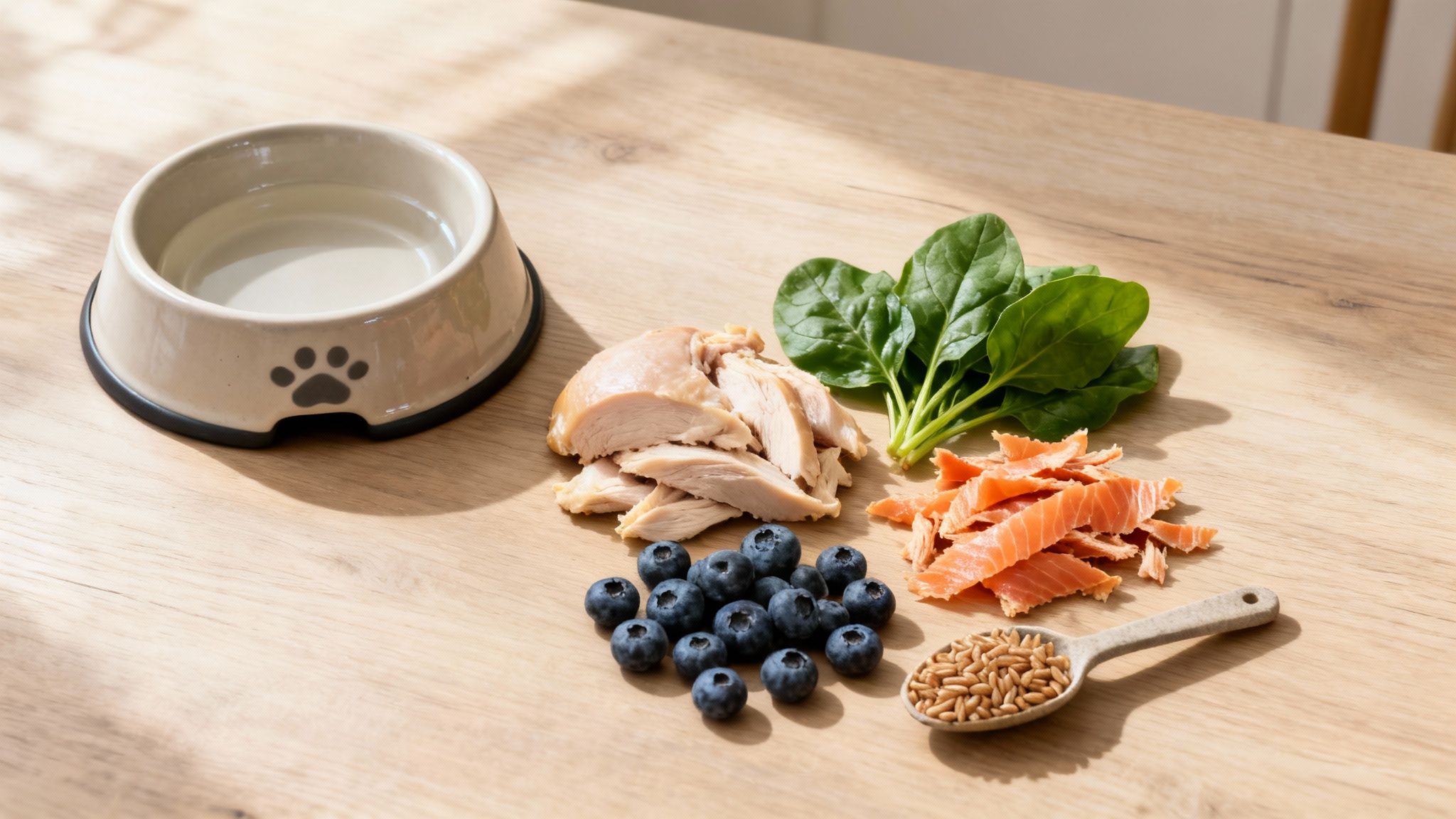
High-Quality Protein: Protein is made of amino acids—the literal building blocks for immune cells, antibodies, and crucial enzymes. Lean chicken, fish, and eggs are fantastic because they provide a complete amino acid profile that the body can easily absorb and put to work.
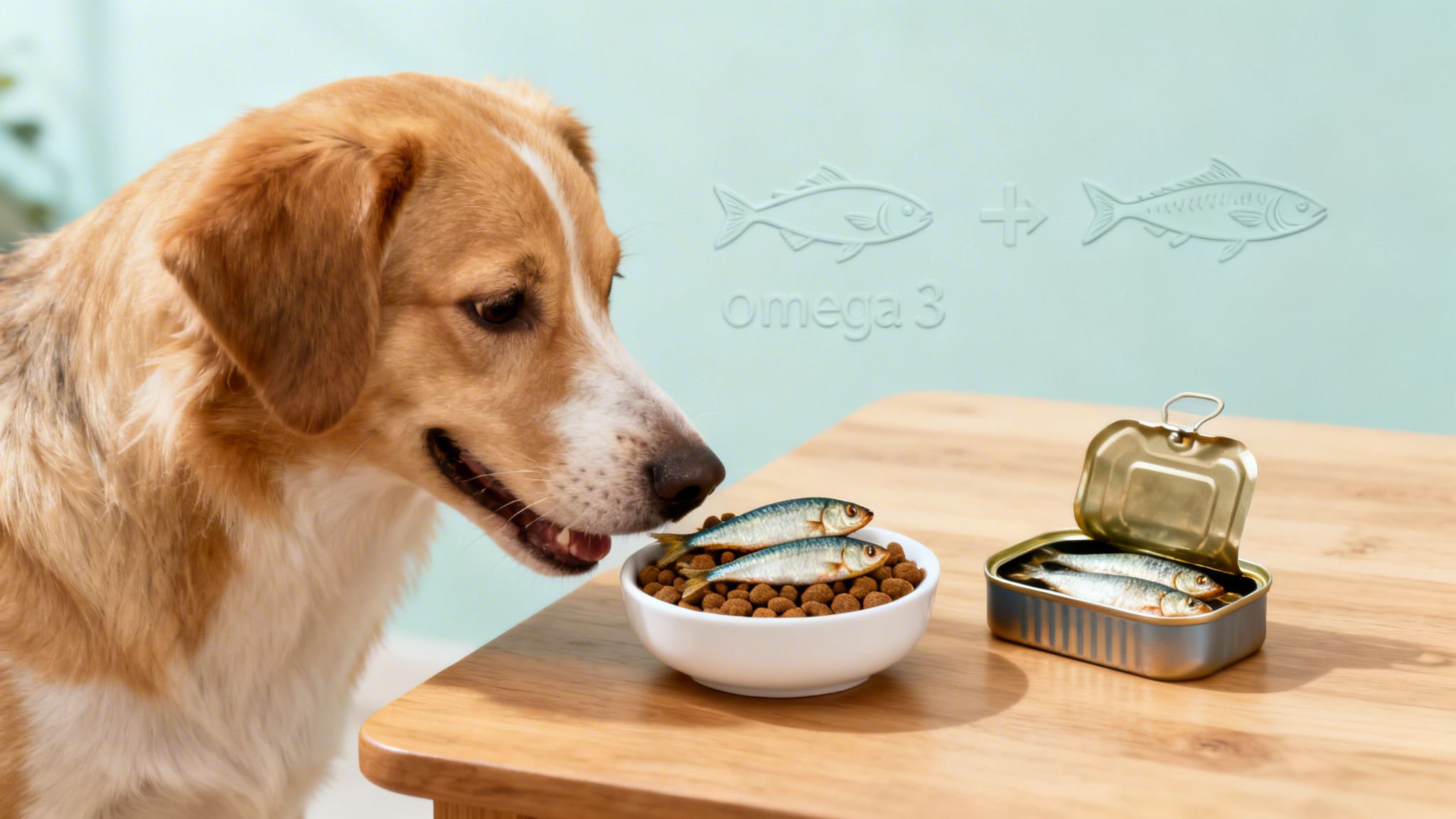
Omega-3 Fatty Acids: Found in fatty fish like salmon and sardines, as well as flaxseed, these are famous for their anti-inflammatory properties. Chronic, low-grade inflammation can wear down the immune system, so Omega-3s help keep things calm until there’s a real threat to fight.
Antioxidants: Think of these as your dog's personal bodyguards. They neutralize rogue molecules called free radicals that can damage cells, including immune cells. You'll find them in abundance in brightly colored fruits and vegetables.
A diet rich in a variety of whole foods provides a complex network of nutrients that work together. A blueberry isn't just a source of Vitamin C; it's a complete package of fiber, phytonutrients, and antioxidants that support the entire system.
It doesn’t have to be complicated. Simply adding a few blueberries or a small spoonful of steamed, chopped spinach to their meal can provide a major antioxidant boost. Small changes can have a surprisingly big impact.
How to Read a Dog Food Label for Immune Health
The pet food aisle can be a confusing place, but knowing what to look for makes it much easier to spot a quality food. The ingredient list is your best friend here, as it's always listed by weight.
First things first, check the first three to five ingredients. They should be recognizable, high-quality protein sources. Look for specific terms like "deboned chicken" or "salmon," not vague descriptions like "meat by-products" or "poultry meal." These generic terms can often hide lower-quality, less digestible ingredients.
Next, scan for whole foods. Ingredients like sweet potatoes, carrots, peas, and berries are good signs of a more nutrient-dense formula. Be wary of foods that are heavy on fillers like corn, wheat gluten, and soy, which offer little nutritional value and can sometimes trigger inflammatory responses in sensitive dogs.
Kibble vs. Wet vs. Raw: A Diet Comparison
The type of food you choose also plays a role, and there's no single "best" diet that fits every dog. Each one has its own set of pros and cons when it comes to supporting immune health.
For many of us, a combination approach works best. You might use a high-quality kibble as a base and mix in some wet food for extra moisture and protein, or add a spoonful of plain kefir for a probiotic boost. This lets you get the benefits of different food types while minimizing the drawbacks.
Ultimately, the best food is one your dog thrives on—one that results in great energy, a shiny coat, and good, firm stools. By focusing on whole, nutrient-dense ingredients and learning to read labels with confidence, you're giving their immune system the premium fuel it needs to keep them protected for years to come.
Connecting Gut Health to Stronger Immunity

It’s easy to think of the immune system as something abstract, floating around in the blood. But for our dogs, the true headquarters of their defense system is somewhere you might not expect: their gut. In fact, an astounding 70-80% of a dog's immune cells live in their gastrointestinal tract. This means that a healthy, balanced gut is one of the most powerful tools we have to boost a dog's immune system.
Think of your dog's gut as a complex and bustling city, populated by trillions of microorganisms. This community, called the gut microbiome, is essential. A well-balanced microbiome acts like a smart security system, training immune cells to recognize the difference between a real threat (like a harmful bacteria) and a harmless visitor (like a bit of pollen).
When that microbial city gets thrown out of whack—a condition called dysbiosis—problems start. The gut lining can become compromised, letting tiny food particles or toxins "leak" into the bloodstream. This triggers a low-grade, body-wide inflammatory response that keeps the immune system constantly on high alert, leaving your dog more vulnerable to everything from infections to allergies.
Nurturing the Gut With Probiotics and Prebiotics
To keep that inner ecosystem thriving, we need to support the "good guys." That’s where probiotics and prebiotics come into play. They sound alike, but they have two very different jobs that work together perfectly.
Probiotics are the good bacteria themselves. By adding them to your dog's diet, you're essentially sending in reinforcements to help populate the gut with beneficial microbes that crowd out the bad ones.
Prebiotics are the food for those good bacteria. Think of them as fertilizer. These special fibers nourish the helpful probiotic colonies already living in the gut, helping them flourish.
The good news is, you don't need a degree in microbiology to add these to your dog's diet. Simple, whole-food sources work wonderfully.
Real-Food Sources for Gut Support:
For Probiotics: A small spoonful of plain, unsweetened kefir or yogurt can do the trick. Just double-check the label to ensure there are no added sugars or especially xylitol, which is highly toxic to dogs.
For Prebiotics: A bit of canned pumpkin (100% pure pumpkin, not the pie filling!), steamed asparagus, or even a small slice of banana provides the fiber that good bacteria love to munch on.
My rule of thumb is always to start small. A little goes a long way, and introducing new foods gradually helps your dog’s digestive system adjust without any tummy trouble.
Recognizing an Imbalanced Gut
Your dog can’t tell you their stomach feels off, but they will absolutely show you. Learning to spot the subtle clues is key to catching a gut imbalance early, before it escalates into a bigger immune issue.
An imbalanced gut often whispers before it shouts. Paying attention to small changes in your dog's digestion, skin, or energy can be the first step in restoring their overall immune resilience.
A single day of loose stool might just mean they got into something they shouldn't have. But if you notice persistent issues, it’s a clear signal that their microbiome needs help.
Common Signs of Gut Dysbiosis:
- Chronic gas or bloating
- Inconsistent poop quality (too hard, too soft, or has mucus)
- Recurring skin problems, like hot spots or yeasty-smelling ears
- New or worsening allergies to food or things in the environment
- Stubbornly bad breath that won't go away
If any of these sound familiar, it’s a great time to focus on gut health. A daily superfood chew, like FORMA, can make this incredibly simple by providing a consistent, daily dose of both probiotics and prebiotics. It takes the guesswork out of supporting their gut, and by extension their entire immune system, day in and day out.
Simple Lifestyle Changes for a Resilient Dog
Great nutrition and a healthy gut are the cornerstones, but what you and your dog do every single day really shapes their immunity. You can significantly boost your dog's immune system just by focusing on a few key lifestyle habits that often get overlooked. These aren’t complicated routines—just simple, consistent choices that build a powerful defense against illness.
A strong immune response is built on more than just food. It’s a combination of movement, rest, and a feeling of safety. Making small tweaks to your dog's daily schedule can lower their stress, improve how their body works on a cellular level, and get them ready to handle whatever comes their way.
The Right Kind of Exercise
Getting your dog moving does more than just burn off extra energy; it actively supports their immune system. Think of moderate, regular exercise as a pump for their lymphatic system—a crucial network for immunity that, unlike the circulatory system, doesn't have a heart to move things along. This movement helps push protective white blood cells all around the body, letting them patrol for and take care of pathogens more efficiently.
But it’s all about balance. Pushing your dog too hard or forcing intense activity they aren't used to can backfire, creating physical stress that actually weakens their immune function.
Smart Exercise Swaps:
Instead of: One super long, exhausting hike on the weekend.
Try: Daily 30-minute brisk walks or a few good games of fetch. Consistency beats intensity every time.
Instead of: Repetitive, high-impact activities like chasing a ball on pavement over and over.
Try: Fun scent work games or even swimming. These activities engage their brain and are much easier on their joints, which helps keep physical stress low.
Managing Stress and Promoting Calm
Just like with us, chronic stress is a huge enemy of a healthy immune system. A dog that’s always anxious or scared produces too much of the stress hormone cortisol. Over time, high cortisol levels can directly interfere with immune cells, leaving your dog much more likely to get sick.
One of the best things you can do is create a predictable, calming environment. This means giving them a safe, quiet spot to retreat to, sticking to a consistent schedule for meals and walks, and always using positive reinforcement during training.
Don't forget that your own stress matters, too. Dogs are masters at picking up on our emotions, and a calm owner usually means a calmer dog. The environment you share is more powerful than you might realize. In fact, research shows that the human-animal bond can even affect immunity. Living with a dog exposes us to a shared set of microbes that can help balance our own immune systems. You can dive deeper into how pets shape our immunity on Colorado.edu.
The Importance of Sleep and Hydration
Good, restorative sleep is when the body gets its repair work done. During deep sleep, the immune system releases special proteins called cytokines. Some of these help promote sleep, while others are essential for fighting off infection and inflammation. If your dog isn't getting enough quality rest, their body produces fewer of these protective proteins, weakening their defenses. Make sure they have a comfy, quiet place where they can sleep without being disturbed.
Hydration is just as important. Water is critical for basically every function in the body, including keeping the mucous membranes in the nose and mouth healthy. These membranes are the first line of defense against germs in the air. If your dog gets dehydrated, these barriers can dry out, giving germs an easy way in. Always have fresh, clean water available, and maybe even add a splash of water or bone broth to their kibble to sneak in some extra fluids.
Key Takeaway: A resilient immune system isn't just about fighting germs. It's about creating an internal balance so strong that illness can't get a foothold. Consistent exercise, a low-stress home, quality sleep, and plenty of water are your most powerful tools.
Using Supplements to Shore Up Your Dog’s Immune Health
Even with the best diet and a great lifestyle, sometimes a well-chosen supplement can provide that extra layer of support for your dog's immune system. Think of it less as a magic pill and more as a targeted tool. Supplements are fantastic for filling in small nutritional gaps or providing a concentrated dose of beneficial compounds that are tough to get from food alone.
The key is to see them as allies, working alongside a solid foundation of good food and healthy habits. This is especially true during stressful times, seasonal shifts, or for dogs who just seem to catch everything that goes around.
How to Choose a Supplement That's Actually Safe and Effective
Let's be honest, the supplement world can feel like the Wild West. It's largely unregulated, which means the responsibility falls on us as dog owners to do our homework. Flashy marketing means nothing; it's what's inside the product that counts.
When you're sizing up a supplement, here are a few things that are non-negotiable:
- A Transparent Ingredient List: The label should spell out every single active and inactive ingredient. Vague phrases like "proprietary blend" are a red flag—they don't tell you how much of each ingredient your dog is actually getting.
- Proof of Third-Party Testing: Look for a seal from an organization like the National Animal Supplement Council (NASC). This is a good sign that the product has been independently tested for quality and purity, so you can trust that what's on the label is actually in the bottle.
- Formulated Specifically for Dogs: This one is crucial. Never give your dog human supplements without talking to your vet first. A dog's nutritional needs are very different from ours, and some common human ingredients, like the sweetener xylitol, are highly toxic to them.
A good supplement has a specific job to do. High-quality products are transparent about their ingredients and backed by real quality control, giving you peace of mind about what you’re adding to your dog's daily routine.
Powerful Ingredients That Pack an Immune Punch
When you're scanning labels, some ingredients stand out for their proven ability to support a dog's immune function. Seeing these on a list is a good indicator that the formula is based on solid science.
Vitamins and Antioxidants:
We all know about vitamins C and E. They're powerhouse antioxidants that act like bodyguards for immune cells, protecting them from damage. Zinc is another heavy hitter, a mineral that's directly involved in how immune cells develop and function.
Medicinal Mushrooms:
Mushrooms like Turkey Tail and Reishi are full of compounds called beta-glucans. These are known as immune modulators—a fancy way of saying they help the immune system respond more intelligently. They help it ramp up to fight a threat and then calm back down when the job is done.
Colostrum:
Often called "first milk," colostrum is packed with antibodies and growth factors. It provides direct support to the immune system, especially in the gut, which is where a huge portion (around 70%) of your dog's immune cells live.
Science is always uncovering new and exciting ingredients. For example, a recent study looked at the benefits of chitosan oligosaccharides (COS), a fiber that comes from shellfish. The researchers found that beagles fed a diet with COS had significantly higher levels of protective antibodies. It also boosted key antioxidant enzymes and even made their vaccines more effective. For a deeper dive, you can check out the full study on canine immune response to COS.
Here’s a quick look at how some of the most common immune-boosting ingredients stack up.
Comparing Common Immune-Boosting Supplements for Dogs
Understanding what each ingredient does can help you pick a supplement that’s perfectly suited to your dog's individual needs.
Making Supplements a Seamless Part of Your Routine
Bringing a new supplement into your dog's life should be easy and stress-free. Most dogs will happily gobble down a tasty chew. If you're using a powder or liquid, just start with a small amount mixed into their food and gradually work your way up to the full dose over a few days. This gives their tummy time to adjust.
The real secret? Consistency. A supplement can't do its job if it's only given here and there. It needs to be a daily habit.
This is where an all-in-one superfood chew like FORMA can make life so much easier. It combines many of these powerful immune-supporting ingredients—like probiotics and antioxidants—into a single, simple daily treat. It takes all the guesswork out of the equation and ensures your dog gets that steady support they need to build a truly resilient immune system over the long haul.
Creating a Daily Routine That Builds Immunity
https://www.youtube.com/embed/0zyNzDtBCfI
Knowing what to do is one thing, but putting it all into practice is where the real magic happens. The best way to boost your dog's immune system over the long run is to build a simple, repeatable routine.
When it comes to your dog's health, consistency beats intensity every time. Small, positive habits, when done daily, create a powerful foundation for a strong immune system. The good news? It doesn't have to be complicated. It’s all about weaving simple actions into your day that support their total well-being.
Daily Habits for a Stronger Dog
These are the core actions you'll want to focus on every single day. Think of them as the non-negotiables that make the biggest difference over time.
- Supercharge Their Meals: At every feeding, add a little something extra to support their gut. This could be a spoonful of plain, unsweetened kefir, a dollop of pumpkin puree, or an all-in-one superfood chew like FORMA. A daily chew makes it easy to get probiotics and antioxidants in without any fuss.
- Get Moving: Aim for at least one dedicated 20-30 minute session of fun, moderate exercise. A brisk walk in the neighborhood, a lively game of fetch in the yard, or even a quick training session gets their blood pumping, circulates immune cells, and lowers stress.
- Keep the Water Flowing: Make sure that water bowl is always fresh, clean, and full. A great little trick, especially for dogs who eat dry food, is to add a splash of water directly to their kibble. It's a simple way to sneak in extra hydration.
Don't aim for perfection. Just aim for consistency. Even on your busiest days, sticking to these small habits provides a constant signal to your dog's body to stay resilient and strong.
Weekly and Monthly Health Check-Ins
Once you've got the daily habits down, you can zoom out a bit. These weekly and monthly checks help you stay proactive and catch small issues before they snowball into bigger problems.
- Weekly Grooming & Body Scan: When you're brushing your dog, use it as a chance to do a quick health check. Run your hands over their entire body, feeling for any new lumps or bumps. Peek inside their ears for redness or odor and check their skin for any signs of irritation.
- Monthly Home Environment Refresh: Once a month, take a good look at their stuff. Toss their bedding and favorite soft toys in the wash to get rid of dust mites and allergens. Inspect their other toys, and throw out anything that's broken or could be a breeding ground for bacteria.
This simple visual breaks down how to pick and add a quality supplement to your dog's bowl.

The bottom line is that a smart, step-by-step routine ensures what you’re giving your dog is both safe and genuinely helpful. By making these habits a natural part of your life together, you're building a powerful, proactive shield to protect your best friend's health.
Got Questions? We’ve Got Answers.
It's completely normal to have questions when you're taking charge of your dog's health. Let's tackle some of the most common ones we hear from fellow dog owners.
"How long until I actually see a difference?"
Every dog is different, so there’s no one-size-fits-all answer. A lot depends on their starting point—their age, current health, and how consistent you are with their new routine.
You'll likely spot small, encouraging changes first. Think better energy levels or smoother digestion, which can often show up within 2-4 weeks. The bigger wins, like a shinier coat, healthier skin, or fewer seasonal allergy issues, usually take a bit longer. Give it a solid 2-3 months for their body to really adapt and build on the good stuff you're providing.
"Are some breeds just more likely to have immune problems?"
That's a great question, and the answer is yes. Genetics definitely play a role. Breeds like German Shepherds, Shar-Peis, and Boxers, for example, are known to have a higher risk for certain allergies or autoimmune issues.
But here’s the thing: while you can't change their DNA, a proactive approach to their diet, lifestyle, and gut health can make a world of difference. It gives any dog a much better shot at staying healthy, especially those with a genetic predisposition.
A good way to think about it is that genetics can load the gun, but lifestyle often pulls the trigger. A supportive daily routine is a game-changer for all dogs.
"Is it possible to 'overdo it' and make their immune system too strong?"
This is a really thoughtful concern, but thankfully, it's not something you need to worry about with the right approach. When we talk about "boosting" the immune system with nutrition and lifestyle, the real goal is balance and regulation—not sending it into hyperdrive.
The only time problems typically arise is when people use powerful, unvetted supplements or medications without a vet's guidance. Those can sometimes overstimulate the system.
By focusing on whole foods, a healthy lifestyle, and vet-approved supplements, you're helping their immune system become smarter. It learns to react strongly when a real threat appears and stay quiet when it doesn't. You’re building an intelligent, self-regulating system, not just a hyperactive one.

Karolis is the Founder of FORMA, a pet wellness brand focused on longevity and daily nutrition for dogs. Writes about supplements, canine health, and helping pets live longer, healthier lives
Join thousands of pet parents getting science-backed health insights and natural care advice