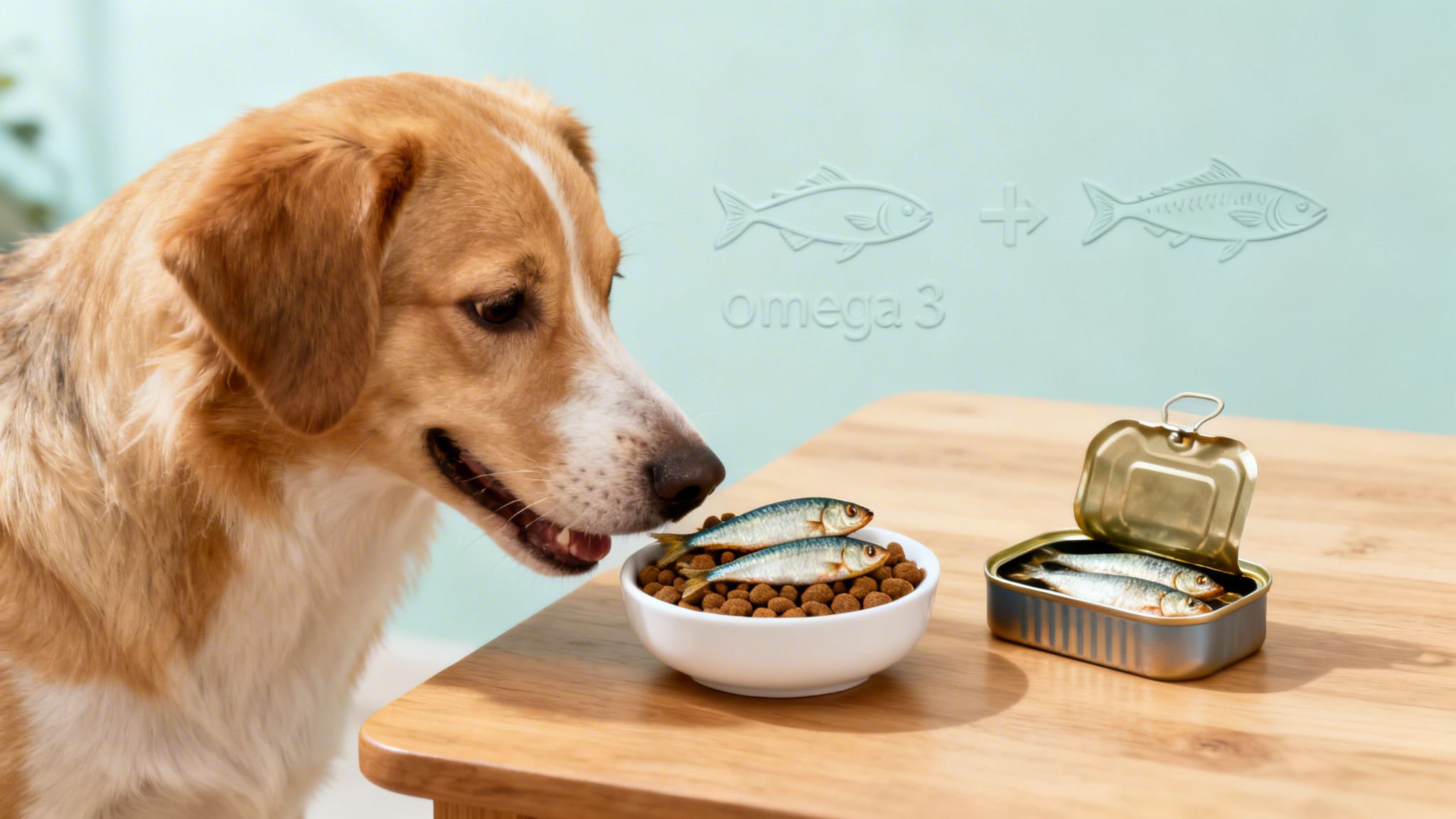
Natural Supplements for Senior Dogs Your Complete Guide
Discover the best natural supplements for senior dogs to support joints, cognition, and vitality. Our guide makes it easy to choose safe and effective options.
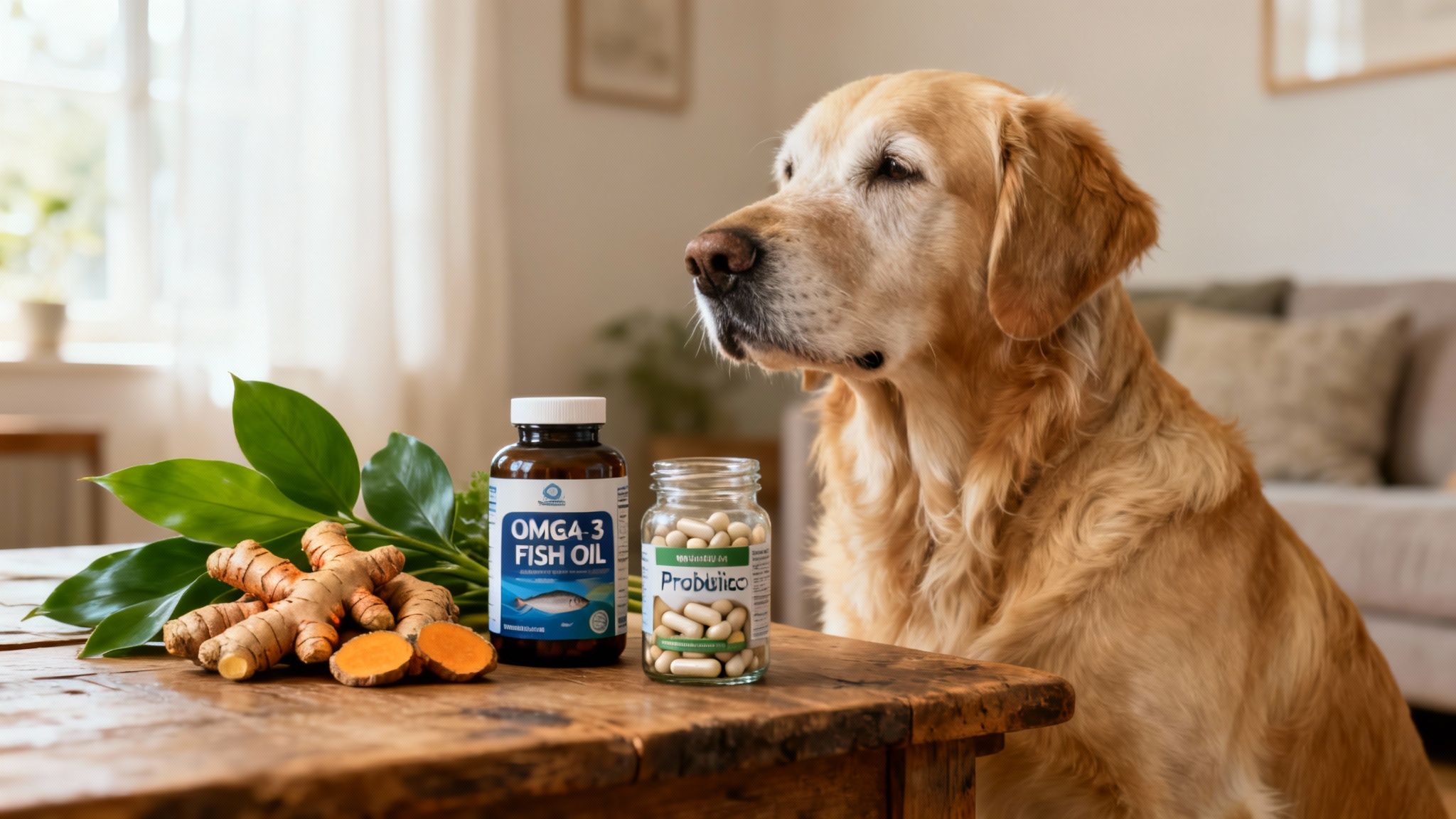
When you start thinking about natural supplements for your senior dog, you're taking a powerful step toward supporting them as they age. It's all about targeting key areas like stiff joints, mental sharpness, and their overall energy levels. With the right ingredients—things like Glucosamine, Omega-3s, and antioxidants—you can help manage the common hurdles of getting older and make your dog’s life much more comfortable.
Think of it as adding a specialized nutritional boost to their daily meals for a happier, healthier life.
Supporting Your Senior Dog's Golden Years

Watching your best friend slow down is a bittersweet part of life. This new chapter isn’t about decline, though. It’s a special time that can be full of warmth and comfort, especially with the right care. Your dog’s needs are just changing, much like a veteran athlete needs different training and recovery to stay in top form.
You've probably noticed the small signs already. Maybe they’re a little slower to greet you at the door, or perhaps they don't seem as engaged during playtime. These are completely normal signs of aging, but they don’t have to get in the way of your dog's happiness.
A Proactive Approach to Aging Well
The real trick is to get ahead of the game. Instead of just reacting to problems as they get worse, you can start providing targeted nutritional support right now. This is where natural supplements for senior dogs truly shine, as they're made to address the specific biological shifts that come with age.
Here's a simple way to look at it: a good diet is the foundation, but a supplement is like a concentrated dose of the key nutrients their aging body might not be making or absorbing as well as it used to.
A thoughtfully chosen supplement becomes a cornerstone of a wellness plan, working alongside good nutrition and veterinary care to help your dog navigate their later years with grace and comfort.
This focus on wellness for older pets is becoming more common everywhere. Senior dogs are a growing part of the pet family; for example, dogs over seven years old now make up 23 percent of the dog population in major markets like China. This trend points to a widespread need, as almost every owner of an older pet is actively seeking senior-focused foods and supplements. You can find more insights about this growing demand for senior dog care from industry analyses.
Building a Foundation for Comfort and Vitality
Our goal is to help you see how a few simple changes can create a huge positive impact. When you understand what specific natural ingredients can do, you can choose supplements that directly support your dog’s individual needs. It’s not about finding a magic pill; it’s about providing steady, gentle support to maintain:
- Comfortable Mobility: Helping to ease the stiffness that comes with well-loved joints.
- Mental Sharpness: Keeping their mind alert and their interactions with you bright.
- Sustained Energy: Fueling their zest for daily walks and precious family time.
By taking this supportive approach, you can make sure your best friend’s golden years really are golden.
Why Your Aging Dog Needs a Different Kind of Nutrition
Think of your senior dog’s body like a classic car you've cherished for years. It’s got a lot of miles on it and a whole lot of character, but it needs a special kind of fuel and more careful maintenance to keep running smoothly. As our dogs get older, their bodies go through some pretty significant changes, and what they need from their food changes right along with them.
Even if you're feeding them the best kibble on the market, it might not have the concentrated support their aging systems now require. The idea isn't to replace their diet, but to give it a powerful boost right where they need it most. This is exactly where natural supplements for senior dogs can make a world of difference in their daily wellness.
Their Internal Engine Starts to Slow Down
One of the first things we notice in an older dog is that their metabolism isn't what it used to be. Just like that classic car's engine, it becomes a little less efficient over time. Their body simply doesn't burn calories or process nutrients with the same get-up-and-go of their puppy years.
This slowdown has a ripple effect:
- Weight Management: With a slower metabolism, it's much easier for them to pack on a few extra pounds, which puts a lot of unnecessary strain on their joints.
- Energy Levels: They might not be getting as much energy out of their food, which can lead to that all-too-familiar senior slump and less excitement for their daily walks.
- Nutrient Absorption: Their digestive system can become less effective at pulling all the good stuff—the vitamins and minerals—out of their meals.
This creates a real problem. Your dog is eating good food, but their body just isn't getting the full benefit anymore. It’s one of the main reasons a specialized supplement can be so incredibly helpful.
Think of it this way: their regular food is the basic gasoline, but a good supplement is like a high-octane additive, giving their engine the specific, concentrated boost it needs to run its best despite the age.
The Unavoidable Wear and Tear on Joints
All those years of running, jumping, and chasing balls have an effect. It's only natural that the cartilage cushioning their joints starts to wear thin, and the body’s production of lubricating joint fluid slows down. This is one area where even the best dog foods often don't provide enough support.
Sure, many foods include some ingredients for joint health, but the amounts are usually just enough for maintenance in a younger dog—not for the active support an older dog's body is crying out for. They need a much more potent supply of the building blocks that help maintain cartilage and keep inflammation in check. It's a sad fact, but studies show a staggering 48% of dogs will show signs of cognitive decline by age 14, and joint pain is often a huge factor in them becoming less active and engaged.
Bridging the Nutritional Gap
This is where a well-made natural supplement really shines. It's not about a complete dietary overhaul; it’s about being precise. A supplement delivers a concentrated dose of specific nutrients that are nearly impossible to get in high enough amounts from food alone.
By taking this targeted approach, you can proactively tackle the biggest challenges of aging. You're supporting their mobility, keeping their mind sharp, and helping them hold onto that wonderful zest for life. When you bridge that nutritional gap, you’re doing more than just feeding your dog—you’re giving them the specialized care they truly need to thrive in their golden years.
Understanding Key Ingredients in Senior Dog Supplements
Looking at the label on a bottle of natural supplements for senior dogs can feel a bit overwhelming. All those scientific-sounding names can seem complicated, but figuring out what they do is actually pretty straightforward. It all comes down to matching the right ingredient to your dog's specific needs—whether that’s for their joints, brain, or gut.
Think of it like being a good mechanic for your dog's aging body. You wouldn't use engine oil to fix the brakes. In the same way, your senior dog needs specific natural compounds to keep their internal systems running smoothly as they get older.
This infographic gives a great visual breakdown of the main areas where a senior dog needs a little extra support: their metabolism, joints, and ability to absorb nutrients.

As you can see, these three areas are all connected. When one starts to decline, it can affect the others, which is why a holistic approach is so important for their comfort and well-being.
To help you get a better handle on what to look for, let's break down some of the most effective natural ingredients you'll find in high-quality senior supplements.
The table below highlights some of the superstar ingredients that can make a real difference for your older dog.
Top Natural Ingredients for Senior Dog Health
Each of these ingredients plays a unique role, but they often work even better when combined. Let's dig a little deeper into how they support the key areas of your senior dog's health.
Supporting Stiff and Achy Joints
If you’re looking into supplements, there’s a good chance joint health is at the top of your mind. It’s one of the most common reasons owners seek extra support for their aging dogs. This concern is so widespread that the global market for pet supplements is expected to grow from $2.71 billion in 2025 to $4.11 billion by 2030, with joint support products leading the charge. You can discover more insights about the pet supplement market to see just how big of a focus this is.
So, what are the go-to ingredients for mobility?
- Glucosamine: This is probably the most famous joint support ingredient out there, and for good reason. Think of it as the "oil for your dog's creaky hinges." It’s a natural compound that helps build and repair cartilage, the cushy tissue that protects their joints. As dogs age, their bodies produce less of it, which leads to stiffness and aches.
- Chondroitin: Glucosamine’s best friend. Chondroitin helps cartilage hold onto water, keeping it hydrated and spongy. If glucosamine is the oil, chondroitin is the shock absorber, ensuring every step is as smooth and comfortable as possible.
- Green-Lipped Mussel (GLM): This is a true superfood for joints, sourced from the clean waters of New Zealand. It naturally contains both glucosamine and chondroitin, but its real magic comes from a unique blend of omega-3 fatty acids that are fantastic at fighting inflammation right at the source of the pain.
These ingredients don't just mask the problem; they provide the fundamental building blocks the body needs to maintain a healthier joint structure for the long haul.
Nourishing the Aging Brain
Just like their bodies, our dogs' minds slow down, too. Maybe you’ve noticed your old friend seems a bit confused, isn’t as interested in playing, or forgets familiar routines. The right nutrients can help protect their brain cells and support cognitive function, keeping them sharp and engaged.
An aging dog's brain is like an older computer—the hardware is still good, but it might run a bit slower. The right nutrients act like a software update, helping it process information more efficiently and stay connected.
Here are the key players for brain health:
- Omega-3 Fatty Acids (DHA & EPA): These are absolute superstars for brain support. DHA is one of the main structural fats in the brain and is crucial for healthy nerve cell communication. Adding omega-3s, usually from fish oil, can help support memory and learning in senior dogs.
- Medium-Chain Triglycerides (MCTs): Found in things like coconut oil, MCTs offer a direct, alternative fuel source for the aging brain. As a dog gets older, its brain can struggle to use glucose for energy. MCTs provide ketones instead, which can help clear the "brain fog" we sometimes see with canine cognitive decline.
These nutrients help maintain the intricate neural pathways that make up your dog's unique personality and preserve that special connection you share.
Reinforcing Gut Health and Immunity
A healthy gut is the command center for your dog's entire well-being. It’s not just where nutrients are absorbed; it’s also home to a huge part of the immune system. An older dog's digestive system often becomes less efficient, making it tougher to get all the goodness from their food and leaving them more open to getting sick.
Here’s what you need for a resilient gut:
- Probiotics: These are the "good bacteria" that live in the digestive tract. A healthy balance of these tiny microbes is vital for good digestion and a strong immune response. Giving your dog a probiotic supplement helps keep these beneficial populations thriving.
- Colostrum: Often called "first milk," bovine colostrum is loaded with antibodies and other immune-boosting compounds. For a senior dog, it’s a powerful way to reinforce their immune system, helping them fight off bugs more effectively.
When you see these ingredients in an all-in-one supplement, you know it's been thoughtfully designed to cover the core needs of a senior dog. A formula like FORMA's, which brings these elements together, isn’t just a random mix—it’s a comprehensive plan to support your best friend's health from every angle.
How to Choose a Supplement That’s Actually Safe and Effective
Walking down the supplement aisle can be overwhelming. Every bottle makes a big promise, and it's tough to know who to trust. How do you cut through the marketing noise to find a product that will genuinely help your senior dog without causing harm? Thankfully, you don't need a veterinary degree—just a few key things to look for.
It's clear that more of us are thinking this way. A recent study found that more than half of all dog owners (53%) are now giving their pets some kind of vitamin or supplement. That’s a huge jump, and it shows a real shift toward natural, clean-label options for our dogs. We want the good stuff, not a bunch of chemicals. You can see the data on the growing pet dietary supplements market to get a feel for how big this movement has become.
But with more choices comes a bigger need to be a savvy shopper.
Look for Formulas Backed by Real Science
The best supplements aren't just a random mix of trendy ingredients. They’re built on a foundation of solid scientific evidence. A truly great company has a reason for everything they put in their product, selecting specific ingredients in just the right amounts to make a real difference for a dog’s health.
Look for brands that are open about their "why." Their website or packaging should clearly explain what each ingredient—like Glucosamine, Omega-3s, or Probiotics—is doing in the formula. That kind of transparency is a great sign that they've done their research and are committed to results, not just hype.
Check Up on Manufacturing Standards
Here’s a little-known fact: the pet supplement industry isn't as tightly regulated as you might think. This means it’s on the company to police itself and stick to high standards. The most important seal of approval to look for is cGMP (Current Good Manufacturing Practice). This certification means the facility adheres to the same strict quality control rules the FDA requires for human products.
You'll also want to see the term "human-grade." This is a big deal. It means every ingredient in the supplement is safe enough for you to eat, which is a far higher standard of quality and purity than what's used in typical animal feed.
When you choose a supplement made in a cGMP-certified facility with human-grade ingredients, you're getting peace of mind. It's the best way to know the product is pure and that what's on the label is exactly what's in the chew.
Read Customer Reviews Like a Detective
Honest feedback from fellow dog owners is pure gold, but you have to know how to read it. Don’t just glance at the star rating; dig into the actual comments.
- Hunt for Details: A review that says "My dog loves it!" is nice, but one that says, "After three weeks, my 12-year-old Lab is getting up the stairs on his own again" is far more telling.
- Check for Authenticity: Does the review sound like it was written by a real person with a real dog? Look for reviews from verified purchasers if possible.
- See How They Handle Problems: Pay close attention to how the company responds to negative feedback. A brand that replies professionally and tries to make things right genuinely cares about its customers and stands behind its product.
This kind of deep dive gives you a much better sense of the results you might see with your own dog.
Why an All-in-One Formula Makes Sense
It’s easy to fall into the trap of buying separate supplements for every little thing—one for joints, another for digestion, a third for brain health. But that approach gets complicated and expensive, fast. Worse, you could accidentally give your dog too much of one nutrient and not enough of another.
A well-designed, all-in-one formula like FORMA takes the guesswork out of it. It simplifies your dog’s routine with a balanced blend of ingredients that are meant to work together. This synergistic effect often leads to better overall results and lets you relax, knowing all the core bases are covered in one simple chew. It’s the smarter, safer, and often more affordable way to give your dog complete support.
Adding Supplements to Your Dog's Routine Safely
Okay, you’ve picked out a great natural supplement for your senior dog. Now what? The next step is all about introducing it into their daily life without causing any tummy troubles. We want this to be a smooth, positive addition to their routine, and a little patience goes a long way here.
Think about it like introducing a new food to a picky toddler. You wouldn't just hand them a full plate of something they've never tried. You'd start with a tiny bite to see how it goes. The same idea applies to your dog’s digestive system.
The Start Low and Go Slow Method
When it comes to any new supplement, the golden rule is to start low and go slow. A dog's gut is a finely tuned ecosystem, and throwing something new into the mix too quickly can easily upset the balance. That can lead to gas, bloating, or an unhappy stomach.
To sidestep any issues, just follow this simple plan:
- Days 1-3: Start with just a quarter of the recommended daily amount. This gives their system a chance to get used to the new ingredients without being overwhelmed.
- Days 4-6: If your dog is handling the small dose well, you can bump it up to half the recommended amount. Keep an eye on their digestion and how they're feeling.
- Day 7 and onward: If everything still looks good, you're clear to move up to the full recommended dose.
This gradual ramp-up is the secret to a successful transition. It practically eliminates the risk of digestive upset and helps their body get the most out of the new nutrients right from the start.
Before you do anything else, your first step should always be a chat with your veterinarian. They have the full picture of your dog's health and can give you tailored advice, making sure a new supplement won’t cause problems with any current medications or health issues.
Making It a Treat, Not a Task
Thankfully, most modern supplements are designed to be tasty—like the superfood chews from FORMA. This makes your job a whole lot easier! But if you have a particularly picky senior on your hands, a little creativity can help them look forward to their daily dose.
- Crumble It Over Food: Soft chews are easy to break up and sprinkle over their breakfast or dinner. The flavor will blend right in with their meal.
- Use It as a Special Reward: Turn supplement time into the best part of their day! Offer the chew as a special treat after a walk or during a quiet moment together.
- Hide It in a Favorite Snack: A small dollop of xylitol-free peanut butter or a little piece of cheese can work wonders for hiding a supplement if needed.
Monitoring for Positive Changes
Once your dog is consistently on the full dose, you get to do the fun part: watch for the good stuff to happen. Remember, natural supplements aren't a quick fix; they work with your dog's body over time. You probably won't see a huge difference overnight, but with daily use, you should start to notice positive shifts within a few weeks to a month.
Pay close attention and look for the small, meaningful improvements. You might notice things like:
- A bit more pep in their step on your daily walks.
- Getting up from their bed seems a little less stiff.
- More interest in playing or greeting you at the door.
- Their coat looks shinier and their skin seems less itchy.
These little wins are exactly what we're looking for. They're the signs that the natural supplements for senior dogs are giving their aging body the support it needs to feel more comfortable, happy, and vibrant every single day.
A Holistic Approach to Senior Dog Wellness

While the right natural supplements for senior dogs are a game-changer, they don't work in a vacuum. The best way to think about it is that a supplement is one star player on an all-star team. To really help your older dog feel their best, you need to look at their entire lifestyle.
This holistic approach creates a safe, comfortable, and loving world for them. Each piece of the puzzle—from what they eat to where they sleep—works together, boosting the benefits of their nutrition and making every day a good one.
Gentle Movement for Healthy Joints
Just because your dog is getting up there in years doesn't mean exercise goes out the window. It just needs a little tweaking. The days of hardcore frisbee sessions might be over, as high-impact activities can be rough on aging joints. The key now is gentle, consistent movement to maintain mobility and muscle.
Low-impact exercises are your new best friend:
- Leisurely Strolls: Forget long, grueling hikes. Opt for shorter, more frequent walks, especially on soft surfaces like grass or a trail. This keeps their joints lubricated without overdoing it.
- Swimming: If you have a dog-friendly pool or lake nearby, swimming is incredible. It’s a fantastic full-body workout with absolutely zero impact on their joints.
This kind of regular, gentle activity not only helps manage weight but also works hand-in-hand with the joint support they get from their supplements.
A Comfortable and Engaging Environment
As your dog’s world naturally gets a little smaller, their home environment becomes more important than ever. A few simple tweaks can make a world of difference for their daily comfort and mental well-being.
Think of your home as a wellness retreat for your dog. It should provide the physical support their aging body needs and the mental engagement that keeps their mind bright and happy.
Here are a few easy upgrades to consider:
- An Orthopedic Bed: This is a non-negotiable for most senior dogs. A quality orthopedic bed cushions achy joints and sore muscles, allowing for deep, restorative sleep. It’s a small change that delivers a huge payoff in comfort.
- Puzzle Toys: Keep that clever mind sharp! Food puzzles and treat-dispensing toys are perfect for preventing boredom and can even help slow cognitive decline.
- Predictable Routines: Older dogs thrive on routine. A consistent schedule for meals, potty breaks, and bedtime provides a sense of security and can dramatically reduce anxiety.
When you pair powerful supplements like FORMA's Superfood Chews with these thoughtful lifestyle adjustments, you’re creating a complete circle of care. It’s the best way to ensure their golden years are as vibrant, comfortable, and happy as they can possibly be.
Got Questions? We've Got Answers
Deciding to add a supplement to your senior dog's routine is a big step, and it's totally normal to have a few questions swirling around. After all, you want to be sure you're doing the absolute best for your old friend. Let's walk through some of the most common things owners ask.
How Long Before I See a Difference?
This is probably the number one question we hear, and the honest answer is: it takes a little time and a lot of consistency. Natural supplements aren't like a quick-fix drug; they work by nourishing your dog's body from the inside out so it can function better on its own. It’s less like flipping a light switch and more like tending a garden—the real magic happens with steady, daily care.
Generally, you can expect to see the first subtle changes within four to six weeks. It might be something small at first, like your dog seeming a little less stiff when they get up in the morning or having a bit more pep in their step on your daily walk. The more noticeable, long-term benefits really start to shine through after about two or three months, once the ingredients have had time to build up and provide consistent support.
Can I Just Give My Dog My Own Supplements?
It's a tempting thought, especially if you already have something like glucosamine or fish oil in your own medicine cabinet. But this is one shortcut you should never take. While the core ingredients might sound the same, human and canine supplements are worlds apart for a few critical reasons.
- The Dosages Are All Wrong: A dose meant for a 150-pound human could be way too much for a 50-pound dog, potentially leading to an overdose. Or, it could be so little that it has no effect at all.
- They Contain Dog-Dangerous Ingredients: Human vitamins are often packed with fillers, flavorings, or sweeteners that are perfectly safe for us but toxic to dogs. Xylitol is a prime example—a common sugar substitute that can be lethal for a dog.
- Dogs Absorb Things Differently: Formulas made for dogs are designed to work with their specific digestive system. This ensures they can actually absorb and use the nutrients, rather than just passing them through.
Giving your dog a human supplement is a roll of the dice with their health. Stick with products that were made just for them—it's the only way to be sure it's both safe and effective.
Should I Be Worried About Side Effects?
When you choose a high-quality, natural supplement, the risk of side effects is incredibly low. The most common hiccup we see is some mild digestive upset, like a bit of gas or looser stools. This almost always happens when a new supplement is started too quickly, and it's just your dog's system getting used to the new ingredients.
The key is to "start low and go slow," introducing the supplement gradually over a week or two. If you do that with a trusted, vet-approved product, the chances of any issues are slim to none. Of course, keep an eye on your dog and give your vet a call if you notice anything that concerns you.

Karolis is the Founder of FORMA, a pet wellness brand focused on longevity and daily nutrition for dogs. Writes about supplements, canine health, and helping pets live longer, healthier lives
Join thousands of pet parents getting science-backed health insights and natural care advice