The Top 8 Signs of Aging in Dogs: A 2026 Owner's Guide
Discover the 8 key signs of aging in dogs, from mobility to cognition. Learn what's normal, what's not, and how to support your senior dog's health.
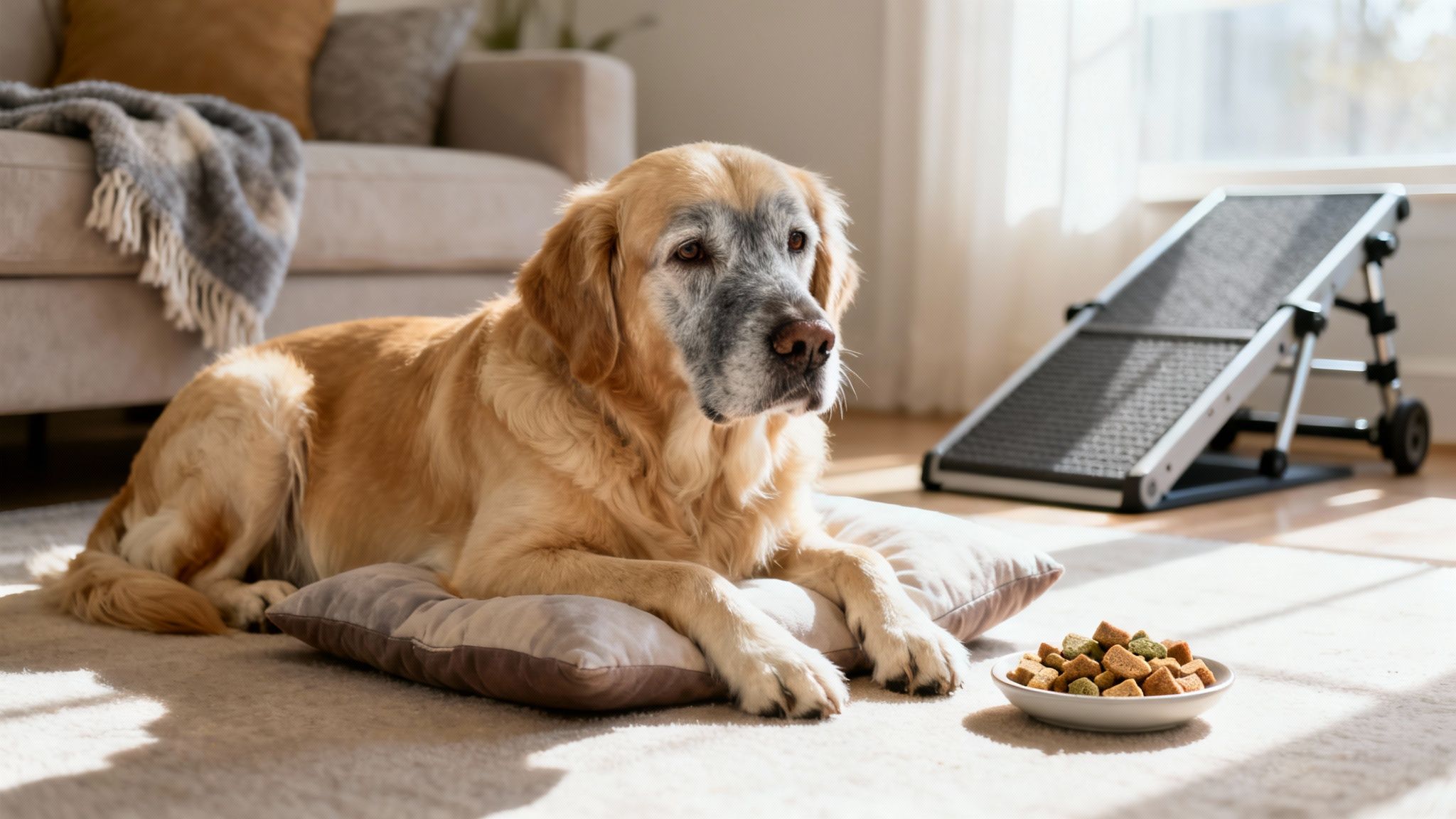
The bond we share with our dogs deepens with every passing year. As they move from spirited adulthood into their golden years, however, their needs begin to change in subtle yet significant ways. Recognizing the early signs of aging in dogs is one of the most proactive steps you can take as an owner to ensure their continued comfort, health, and happiness. This isn't about stopping the clock, but about enriching the time they have left and making it as high-quality as possible.
From a slight hesitation before jumping on the couch to a newfound graying around their muzzle, these shifts are important cues for us to adapt their care routine. Understanding what's normal and what's not is the key to providing targeted support that truly makes a difference. Is that new lump just a harmless fatty deposit, or something more? Is their sudden clinginess a sign of anxiety or a symptom of cognitive decline?
This comprehensive guide is designed to give you clarity. We will walk you through the 8 most common signs of aging in dogs, explaining not just what to look for, but why these changes happen and exactly what you can do about them. You will learn how to distinguish between normal aging and red flags that warrant an immediate vet visit. We'll also cover actionable strategies for at-home care, from adjusting their diet and environment to incorporating powerful superfood chews into a holistic wellness plan. Let's work together to ensure your dog’s senior years are as joyful and comfortable as their puppyhood was.
1. Cognitive Decline and Memory Loss
Just as with humans, one of the most significant signs of aging in dogs involves changes in their brain. Canine Cognitive Dysfunction (CCD), often compared to dementia in people, is a common age-related condition that alters your dog's awareness, memory, and responsiveness. You might notice your once-sharp companion seems lost, confused, or forgetful of familiar routines.
This decline is caused by physical changes in the brain, including the buildup of proteins called beta-amyloid plaques, reduced blood flow, and damage from oxidative stress. While it can be distressing to witness, understanding the early signs allows you to intervene and support your dog’s long-term cognitive health, significantly improving their quality of life.
What It Looks Like in Daily Life
The symptoms of CCD can be subtle at first and progress over time. It’s not just about a single "senior moment." Instead, it's a pattern of behavioral shifts.
Common examples include:
- Disorientation: Getting stuck in corners, staring blankly at walls, or seeming lost in familiar places like your home or yard.
- Changes in Interaction: Becoming more withdrawn and less interested in petting or greeting family members, or conversely, becoming unusually clingy and anxious.
- Sleep-Wake Cycle Disruption: Pacing or vocalizing at night while sleeping more during the day.
- Forgetting Training: Losing house-training skills despite a previously perfect record or forgetting basic commands they've known for years.
Key Insight: Early intervention is crucial. Many owners wait until symptoms are severe, but supporting brain health with targeted nutrition and mental enrichment before significant decline can help slow its progression.
Actionable Steps for Brain Health
You can proactively support your dog's cognitive function with a combination of management and nutritional strategies.
- Maintain Routine: A consistent daily schedule for feeding, walks, and bedtime provides a predictable structure that helps reduce anxiety and supports memory.
- Boost Mental Stimulation: Engage your dog’s mind daily with puzzle toys, scent work games, or short, positive training sessions to build and maintain neural pathways.
- Prioritize Brain-Boosting Nutrients: Look for supplements that support neurological health. Key ingredients like antioxidants (Vitamin C, E), Omega-3 fatty acids (from fish oil), and B vitamins help fight oxidative stress and support brain function. A comprehensive superfood chew like FORMA includes many of these brain-supporting ingredients, making it an easy addition to their daily routine. Starting a supplement around age 7, especially for large breeds, can provide foundational support before symptoms even appear.
2. Decreased Mobility and Joint Stiffness
One of the most visible signs of aging in dogs is a change in their movement. You may notice your once-bouncy dog is now slower to get up, hesitant to jump on the couch, or less enthusiastic about walks. This decreased mobility is often due to age-related joint degeneration, osteoarthritis, and the natural loss of muscle mass, a condition known as sarcopenia.
As a dog ages, the protective cartilage in their joints wears down, leading to inflammation and pain. This physical decline can significantly impact their quality of life, making everyday activities like climbing stairs or playing fetch a challenge. Recognizing these early signs allows you to provide crucial support to manage discomfort and preserve their mobility for as long as possible.

What It Looks Like in Daily Life
Joint stiffness often starts subtly and can be easily mistaken for simple tiredness. It’s important to watch for a consistent pattern of physical changes rather than an isolated incident of slowness.
Common examples include:
- Stiffness After Rest: Difficulty standing up after a nap, often accompanied by a stiff or stilted walk for the first few steps.
- Hesitation with Movement: Avoiding stairs, no longer jumping onto furniture or into the car, or taking longer to find a comfortable position to lie down.
- Reduced Activity Levels: Showing less interest in walks or playtime, lagging behind on walks, or tiring out much more quickly than before.
- Limping or Favoring a Limb: A noticeable limp that may be more pronounced after exercise or when first getting up.
Key Insight: Proactive joint support is far more effective than reactive treatment. Starting supplements and making lifestyle adjustments before significant stiffness appears can help preserve cartilage and delay the onset of severe arthritis.
Actionable Steps for Joint Health
You can significantly improve your senior dog's comfort and mobility by combining lifestyle modifications with targeted nutritional support.
- Maintain a Healthy Weight: Excess weight puts tremendous strain on aging joints and accelerates the progression of arthritis. Work with your vet to ensure your dog is at an ideal body condition.
- Provide Environmental Aids: Use ramps to help your dog get into the car or onto furniture. Provide a supportive, orthopedic bed to cushion their joints and make rest more comfortable.
- Incorporate Low-Impact Exercise: Gentle, consistent movement helps keep joints lubricated and muscles strong. Activities like swimming or leash walking on soft surfaces are ideal.
- Support Joints with Key Nutrients: Look for supplements that contain proven joint-support ingredients. Glucosamine, chondroitin, and MSM help build and protect cartilage, while Omega-3 fatty acids and collagen reduce inflammation. The FORMA superfood chew is formulated with these powerful compounds, offering a simple way to deliver comprehensive daily joint care. Starting a supplement around age 5 or 6 can provide a protective foundation for long-term mobility.
3. Graying Hair and Coat Changes
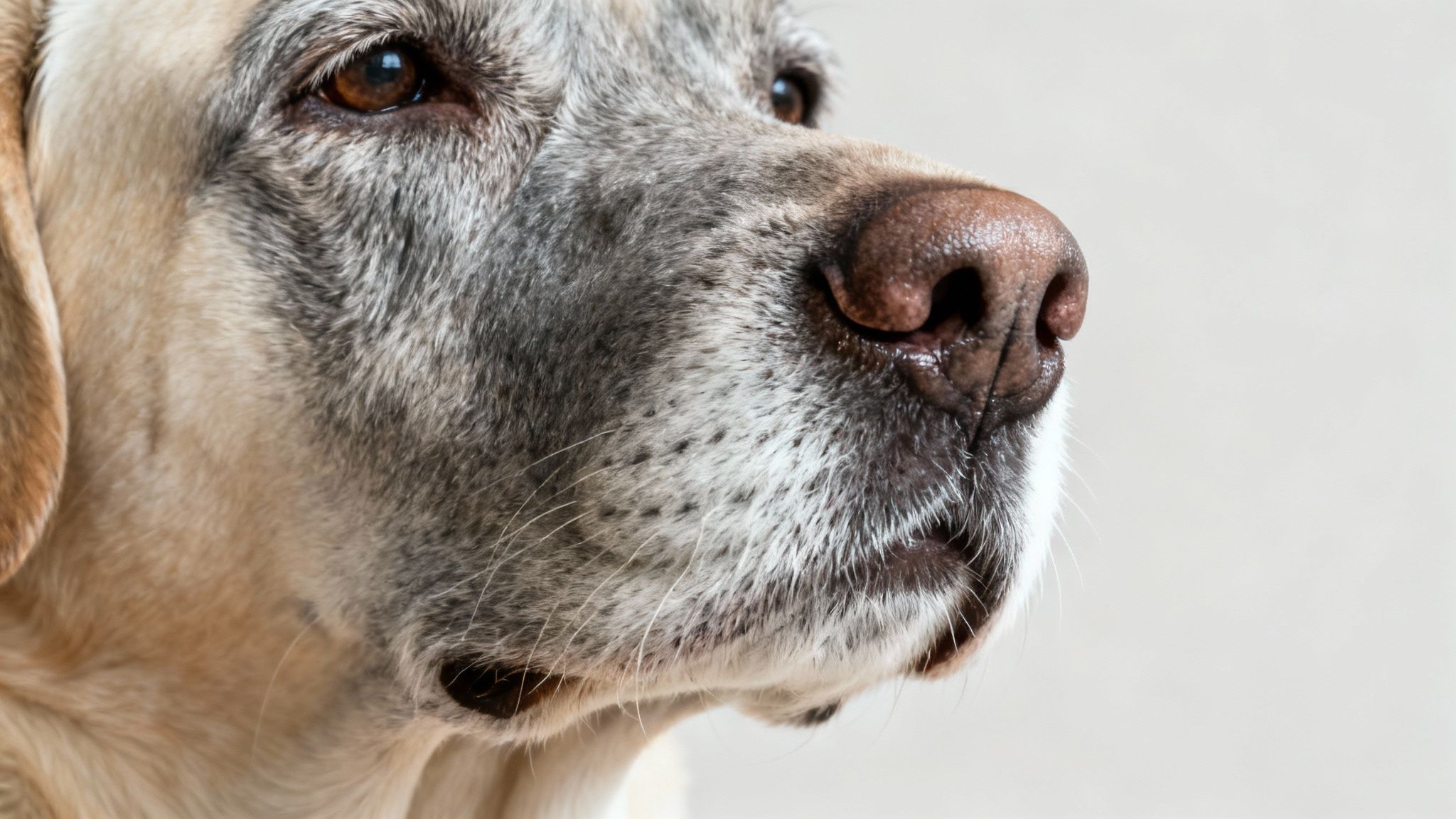
Just like humans, one of the most visible signs of aging in dogs is the appearance of gray or white hair, especially around the muzzle and eyes. This natural process happens when pigment-producing cells in the hair follicles, called melanocytes, gradually produce less melanin. While genetics play a big role in when a dog starts to gray, these external changes often mirror internal cellular aging.
Beyond just a distinguished silver muzzle, you may notice other shifts in your dog's coat. The texture can become coarser or thinner, it might lose its lustrous shine, and you could see an increase in shedding or slower hair regrowth. These changes can be linked to a less efficient uptake of nutrients, hormonal shifts, and overall cellular health.
What It Looks Like in Daily Life
Changes to the coat are often gradual, so you might not notice them day-to-day. It’s the cumulative effect over months or years that becomes apparent.
Common examples include:
- Progressive Graying: A few white hairs on the chin that slowly spread across the muzzle, face, and sometimes to the chest and paws.
- Dull or Brittle Fur: A once-shiny coat now appears lackluster, and individual hairs feel dry or break easily.
- Thinning Coat: You might notice bald patches or a generally less dense coat, particularly over the back and hips. This can also be a sign of underlying health issues, so a vet check is wise.
- Increased Shedding: While some shedding is normal, a noticeable uptick can be a sign that the hair growth cycle is changing with age.
Key Insight: A dog's coat is an excellent barometer of their internal health. While some graying is inevitable, sudden or severe changes in coat quality often signal a need for nutritional support or a veterinary checkup for issues like thyroid disease or Cushing's.
Actionable Steps for Coat Health
Supporting skin and coat health from the inside out can help your senior dog look and feel their best.
- Boost Essential Fatty Acids: Omega-3 and Omega-6 fatty acids are critical for maintaining a shiny coat and healthy skin. They help reduce inflammation and support the skin barrier.
- Ensure Key Nutrients: Make sure your dog’s diet or supplement routine includes biotin, zinc, and B vitamins, which are all essential building blocks for strong, healthy hair.
- Establish a Grooming Routine: Regular brushing (a few times a week) stimulates blood circulation to the skin, distributes natural oils, and removes dead hair, promoting healthier new growth.
- Provide Targeted Nutrition: A daily superfood chew like FORMA can help fill nutritional gaps. It contains Omega-3s from Algae and Biotin, which directly contribute to skin resilience and a vibrant, healthy coat, making it a simple way to address these common signs of aging.
4. Cloudy Eyes and Vision Changes
Many owners notice a hazy, blueish tint developing in their senior dog’s eyes, another of the common signs of aging in dogs. This is often nuclear sclerosis, a normal hardening of the lens that scatters light but usually doesn't significantly impair vision. However, it can also signal the development of cataracts, which are opacities that can lead to blindness.
Age-related vision loss occurs due to changes in lens proteins, reduced tear production, and increased damage from oxidative stress. While dogs adapt well by relying more on their keen senses of smell and hearing, supporting their eye health can help preserve vision, prevent discomfort, and maintain their confidence as they navigate their world.
What It Looks Like in Daily Life
Vision changes can be difficult to spot initially because dogs are masters of compensation. The signs are often behavioral rather than purely physical.
Common examples include:
- Physical Appearance: A noticeable bluish-gray haze (nuclear sclerosis) or a more opaque, white appearance (cataracts) in the pupil.
- Navigational Difficulty: Bumping into furniture, hesitation when going down stairs, or reluctance to go outside in low light or at night.
- Behavioral Changes: Increased startle response, sudden anxiety in new environments, or difficulty locating toys or food bowls.
- Signs of Discomfort: Squinting, excessive tearing, pawing at the eyes, or redness, which could indicate a more serious issue like glaucoma or dry eye.
Key Insight: Don't assume all cloudiness is benign. While nuclear sclerosis is a normal part of aging, only a veterinarian can distinguish it from a progressive cataract that requires monitoring or treatment.
Actionable Steps for Eye Health
Proactive care can help protect your dog's vision and slow the progression of age-related eye conditions. A multi-faceted approach works best.
- Schedule Annual Eye Exams: A veterinarian can detect early signs of cataracts, glaucoma, or retinal issues long before you notice symptoms, allowing for timely intervention.
- Maintain a Consistent Environment: If your dog's vision is failing, avoid rearranging furniture. A predictable layout helps them navigate confidently and reduces anxiety.
- Provide Antioxidant-Rich Nutrition: Key nutrients play a vital role in combating oxidative stress in the eyes. Look for supplements containing powerful antioxidants like lutein, zeaxanthin, and vitamins C and E. The superfood blend in FORMA includes potent antioxidants that support cellular health, making it a simple way to help protect delicate eye tissues from age-related damage. Starting a supportive supplement by age six or seven provides a protective foundation for long-term vision health.
5. Increased Anxiety and Behavioral Changes
Another one of the most impactful signs of aging in dogs is a noticeable increase in anxiety and other behavioral shifts. While we often associate behavioral issues with puppies, new anxieties in senior dogs are common and stem from real physiological changes, including cognitive decline, sensory loss (like hearing or vision impairment), and chronic pain. What may seem like sudden clinginess or noise phobia is often a reflection of their changing perception of the world.
These new fears are not a training failure; they are a direct result of the aging process. A dog who can no longer hear an approaching person may startle easily, and a dog with declining cognitive function may feel confused and insecure. Understanding that this anxiety has a physical root is the first step toward managing it effectively and restoring your dog's sense of security.
What It Looks Like in Daily Life
Age-related anxiety can manifest in various ways, often developing gradually. It's important to recognize these shifts as potential signs of underlying age-related issues rather than just "bad behavior."
Common examples include:
- New Separation Anxiety: Becoming distressed, vocal, or destructive when left alone, even if they were previously fine.
- Increased Noise Sensitivity: Developing a strong fear of thunderstorms, fireworks, or even everyday household sounds like the vacuum cleaner.
- Restlessness and Pacing: Inability to settle down, especially in the evening or at night, which can be linked to both anxiety and cognitive dysfunction.
- Clinginess or Irritability: Constantly needing to be near you for reassurance or, conversely, becoming grumpy and wanting to be left alone.
Key Insight: Anxiety is a significant stressor that can accelerate other aging processes. The chronic release of stress hormones like cortisol can negatively impact immune function, digestion, and cognitive health, making proactive management essential for your senior dog’s well-being.
Actionable Steps for Calming Your Senior
Supporting an anxious senior dog involves creating a secure environment and providing targeted nutritional support to help rebalance their nervous system.
- Create a Predictable Routine: Consistency in feeding, walking, and sleep schedules helps senior dogs feel secure and reduces uncertainty-driven anxiety.
- Provide a Safe Space: Designate a comfortable, quiet area like a crate or cozy bed where your dog can retreat when they feel overwhelmed.
- Incorporate Calming Nutrients: Certain ingredients are known to promote a sense of calm. Look for supplements with L-theanine (an amino acid found in green tea), magnesium, and adaptogenic herbs like ashwagandha. The FORMA daily superfood chew is formulated with several of these calming ingredients to help manage stress responses naturally and support a more balanced mood.
- Use Gentle Enrichment: Redirect anxious energy with calming activities like puzzle toys, lick mats, or short, gentle scent work games. These activities engage their mind without being physically over-taxing.
6. Hearing Loss and Auditory Changes
While vision changes are often more obvious, gradual hearing loss is one of the most common yet overlooked signs of aging in dogs. Known as presbycusis, this condition is caused by the slow deterioration of the nerves and structures within the inner ear. It often happens so gradually that owners don't notice until it's quite advanced, mistaking it for stubbornness or cognitive decline.
This sensory change can be isolating and frightening for a dog, leading to increased anxiety, startling easily, and a reduced ability to respond to commands. Recognizing the signs of auditory decline is the first step toward adapting your communication style and ensuring your senior dog feels safe, secure, and connected to their environment.
What It Looks Like in Daily Life
Hearing loss isn't just about not hearing a loud noise; it often starts with an inability to hear higher-pitched sounds or distinguish sounds from a distance. A pattern of unresponsiveness is a key indicator.
Common examples include:
- No Response to Name: Failing to turn their head or come when you call their name, especially when they aren't looking at you.
- Startling Easily: Jumping or reacting with fear when you approach from behind or touch them while they are sleeping.
- Excessive Barking: Vocalizing more loudly and frequently than usual, as they cannot hear the volume of their own bark.
- Reduced Activity: Seeming less engaged with sounds they once loved, like the squeak of a toy or the crinkle of a treat bag.
Key Insight: Many behaviors attributed to "stubbornness" or "senility" in older dogs are actually direct results of hearing loss. Identifying the root cause allows you to provide compassionate support instead of feeling frustrated.
Actionable Steps for Auditory Health
You can help your dog adapt to hearing loss and maintain their quality of life by modifying your home environment and communication methods.
- Use Visual Cues: Start teaching hand signals for basic commands like "come," "sit," and "stay." Using a flashlight to get their attention in dim light can also be very effective.
- Create a Safe Environment: Always approach your dog from the front so they can see you coming. Gently stomp your foot on the floor to create a vibration that can wake them without startling them.
- Prioritize Antioxidant Support: Cellular health is crucial for protecting delicate structures in the ear. Antioxidants like Vitamin C and E help combat oxidative stress that can accelerate the degeneration of auditory nerves. A daily supplement like FORMA, which contains a blend of powerful antioxidants, can help support overall cellular integrity and contribute to your dog's long-term well-being.
- Keep Them Leashed: A dog who cannot hear your call is at a much higher risk of getting lost or injured. Never let them off-leash in unfenced areas.
7. Incontinence and Urinary Issues
Finding unexpected wet spots where your senior dog was sleeping can be concerning, but it's a common and often manageable sign of aging in dogs. Age-related incontinence typically stems from a weakening of the urinary sphincter muscle, which controls bladder flow. This loss of muscle tone means your dog may leak urine without even realizing it, especially while resting or asleep.
This change is particularly common in spayed females due to hormonal shifts but can affect any senior dog. Underlying issues like urinary tract infections (UTIs), kidney problems, or even spinal issues can also contribute. Addressing the root cause is key to managing the issue and ensuring your dog remains comfortable and clean.
What It Looks Like in Daily Life
Urinary incontinence is different from behavioral urination or forgetting house-training due to cognitive decline. It’s an involuntary physical process, not a deliberate action.
Common examples include:
- Leaking During Rest: Finding a damp or wet spot on their bed or your furniture after they get up from a nap.
- Dribbling Urine: Leaving small trails of urine while walking, often without squatting or being aware of it.
- Damp Fur: Noticing the fur around their hind end is consistently damp or smells of urine.
- Increased Licking: Frequent licking of the genital area, which can be an attempt to clean themselves or a sign of irritation from urine scalding.
Key Insight: Don't assume incontinence is just an inevitable part of old age that you have to live with. Many underlying causes are treatable, and simple management strategies can dramatically improve your dog's hygiene and your home environment.
Actionable Steps for Bladder Health
A proactive approach combining veterinary care, management, and targeted nutrition can make a significant difference in controlling urinary issues.
- Schedule a Vet Visit: The first step is to rule out medical issues like UTIs, bladder stones, or kidney disease. Your vet can diagnose the specific cause, whether it's hormonal, muscular, or infection-related.
- Increase Potty Breaks: Take your senior dog out more frequently, especially first thing in the morning, last thing at night, and after naps. This reduces the amount of urine in the bladder at any given time, minimizing leakage.
- Protect Your Home: Use waterproof dog bed covers, washable pee pads, or doggie diapers to manage accidents. This reduces stress for both you and your dog while keeping them clean and preventing skin irritation.
- Support the Urinary Tract: Incorporate supplements that promote a healthy urinary system. Ingredients like cranberry extract and D-mannose help prevent harmful bacteria from adhering to the bladder wall. A superfood chew like FORMA can provide a foundation of anti-inflammatory and immune-supporting nutrients that contribute to overall bladder wellness.
8. Reduced Appetite and Dental Disease
A sudden change in eating habits is one of the more alarming signs of aging in dogs. A reduced appetite can stem from many age-related issues, including a decreased sense of smell, gastrointestinal changes, or even cognitive decline. However, one of the most common and overlooked culprits is underlying dental disease, which affects over 80% of dogs over the age of three.
Painful gums, loose teeth, or infections make chewing difficult and unpleasant, leading your dog to eat less or become pickier. This creates a dangerous cycle where poor nutrition accelerates other signs of aging, from muscle loss to a weakened immune system. Managing both their oral health and the appeal of their food is essential for ensuring they get the calories and nutrients they need to thrive.
What It Looks Like in Daily Life
A loss of appetite isn't always a complete refusal to eat. It often starts with subtle changes that can be easy to miss if you aren't looking for them.
Common examples include:
- Picky Eating: Suddenly refusing dry kibble they once enjoyed, only eating if you hand-feed them, or showing interest only in soft foods or treats.
- Physical Signs of Discomfort: Dropping food from their mouth while trying to chew, chewing on only one side, or whining before or during meals.
- Visible Dental Issues: You might notice exceptionally bad breath, red or swollen gums, or visible tartar buildup on their teeth.
- Unexplained Weight Loss: Even a slight but steady drop in weight over several months is a significant red flag that points to an underlying issue with their nutrition or health.
Key Insight: Don't dismiss a waning appetite as just "part of getting old." It's often a direct signal of discomfort or disease. Proactive dental care and nutritional support are critical for maintaining a senior dog's weight, energy, and overall health.
Actionable Steps for Oral and Nutritional Health
You can make a significant impact on your senior dog's well-being by focusing on making mealtime comfortable, appealing, and nutrient-dense.
- Schedule a Vet Dental Check: This is the most crucial first step. Your veterinarian can assess the extent of any dental disease and recommend a professional cleaning or other treatments to resolve pain.
- Enhance Meal Palatability: Make food more enticing by adding a small amount of warm, low-sodium bone broth or water to their kibble. This softens the food and enhances its aroma.
- Prioritize Nutrient-Dense Formats: Look for ways to deliver vital nutrients in a format they will readily accept. A highly palatable, soft superfood chew like FORMA can provide essential vitamins, minerals, and joint-supporting ingredients without requiring hard chewing, making it an ideal supplement for seniors with sensitive mouths. Its appealing taste can also help stimulate their interest in food.
- Maintain an At-Home Oral Care Routine: Brush your dog's teeth several times a week with a dog-specific toothpaste to slow tartar buildup. Providing appropriate dental chews can also help clean their teeth naturally.
8-Point Comparison: Signs of Aging in Dogs
A Proactive Approach to Their Golden Years
Navigating the golden years with your canine companion is less about stopping time and more about enriching it. Throughout this guide, we've explored the most common signs of aging in dogs, from the subtle graying around their muzzle to more significant shifts in their mobility and cognitive function. Understanding these changes is the first, most crucial step in transitioning from a reactive pet owner to a proactive wellness partner for your aging friend.
The journey isn't just about spotting a problem; it's about building a supportive ecosystem that anticipates their evolving needs. You are their most important advocate, and your attentive care can profoundly impact their comfort, happiness, and overall quality of life. The key takeaway is that while aging is inevitable, a decline in vitality is not.
Your Action Plan for Senior Dog Wellness
Instead of feeling overwhelmed by the changes, view this as an opportunity to deepen your bond and fine-tune their care routine. Here are the most impactful steps you can take, synthesized from everything we've discussed:
- Become a Master Observer: Your daily interactions are your best diagnostic tool. Keep a simple journal to note changes in appetite, mobility, bathroom habits, or behavior. Is their stiffness worse in the morning? Are they less interested in their favorite toy? This log provides invaluable data for your veterinarian.
- Prioritize Proactive Vet Visits: Don't wait for a crisis. Schedule biannual wellness checks for your senior dog. These visits allow your vet to establish a baseline and catch potential issues like dental disease, arthritis, or organ function changes early when they are most manageable.
- Adapt Their Environment: Small modifications at home can make a world of difference. Think orthopedic beds for joint support, ramps to help them into the car or onto the sofa, and non-slip rugs on hardwood or tile floors to prevent falls and give them confidence.
- Rethink Nutrition and Supplementation: A senior dog's dietary needs are different. They require high-quality, easily digestible protein, and often benefit from targeted nutrients to support their joints, brain, and gut. This is where a holistic approach becomes a game-changer.
Simplifying Support with a Daily Ritual
Caring for an aging dog can sometimes feel like juggling multiple supplements and medications. One of the most effective ways to provide comprehensive support is by integrating a multifunctional supplement into their daily routine. This simplifies your process while ensuring they receive a synergistic blend of ingredients designed for senior wellness.
A daily superfood chew like FORMA is crafted specifically for this purpose. It's not just a single-issue solution; it’s a foundational wellness tool that addresses several key signs of aging in dogs simultaneously:
- Joint & Mobility: Ingredients like glucosamine and chondroitin directly support cartilage and joint fluid.
- Cognitive & Calm: Natural compounds can help manage age-related anxiety and support mental clarity.
- Gut & Immunity: A healthy gut microbiome is the cornerstone of overall health, impacting everything from nutrient absorption to immune response.
By making a high-quality, all-in-one chew a consistent part of their day, you are providing a powerful, proactive layer of care. It’s a simple act that delivers complex benefits, helping to maintain their mobility, soothe their anxiety, and fortify their body's natural defenses against the stresses of aging.
Ultimately, your dog's senior years are a gift. They are a time of quiet companionship, deep understanding, and shared history. By embracing a proactive mindset, paying close attention to their needs, and supporting their health from the inside out, you can ensure these years are as full of joy, comfort, and love as their very first. Your commitment is the ultimate expression of gratitude for a lifetime of loyalty.

Karolis is the Founder of FORMA, a pet wellness brand focused on longevity and daily nutrition for dogs. Writes about supplements, canine health, and helping pets live longer, healthier lives
Join thousands of pet parents getting science-backed health insights and natural care advice