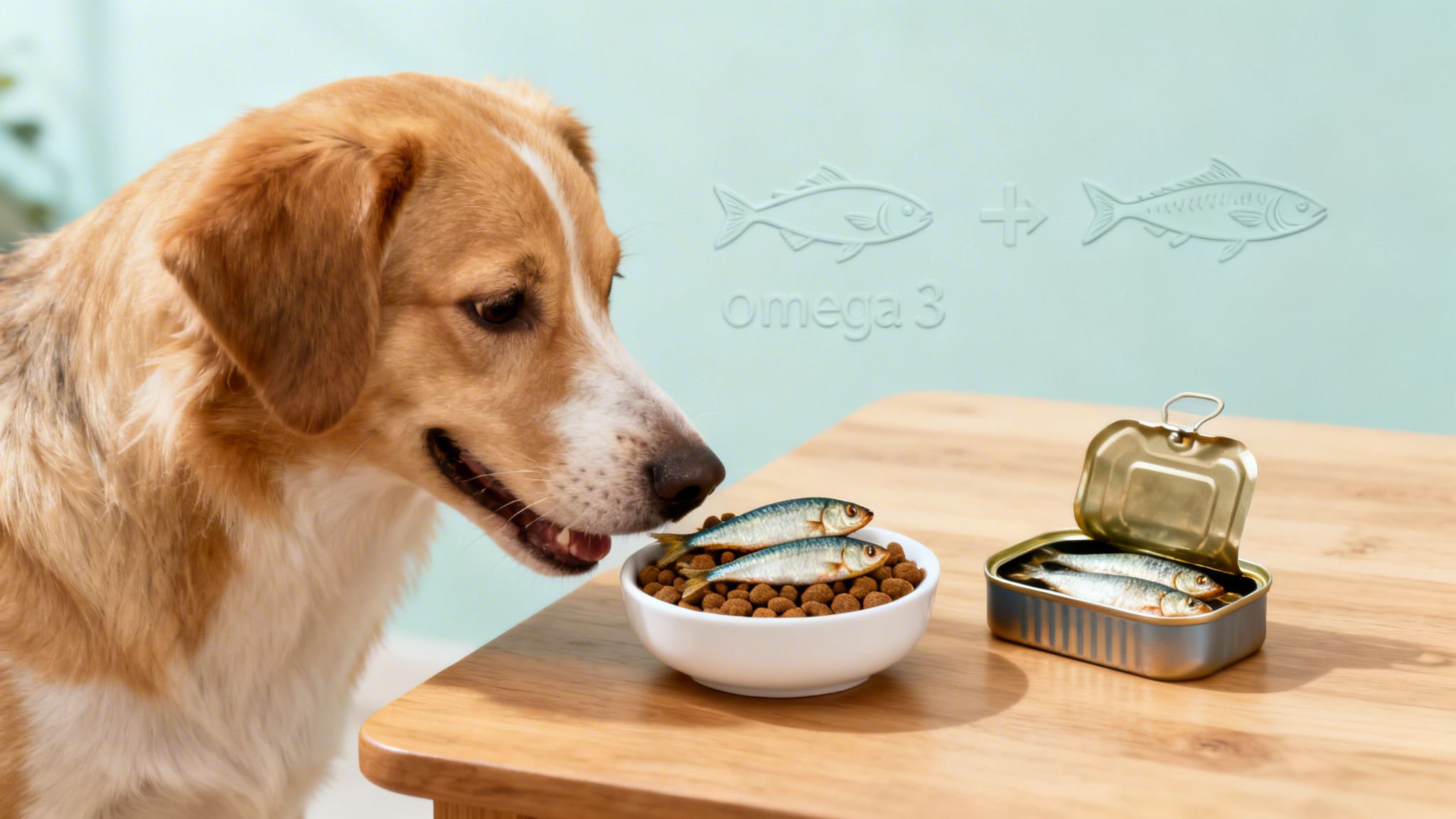
What Ingredients to Avoid in Dog Treats: 8 Hidden Dangers in 2026
Discover exactly what ingredients to avoid in dog treats to protect your pet's health. Learn to spot 8 harmful additives and choose safer, healthier options.

Every dog owner loves the simple joy of giving their companion a treat. That wagging tail and happy face are priceless rewards. But have you ever stopped to read what's really inside that colorful bag? The truth is, many popular dog treats are packed with ingredients that can silently undermine your dog's health, impacting everything from their digestion and skin to their long-term vitality.
Hidden behind enticing marketing claims are cheap fillers, artificial chemicals, and dangerous sweeteners that have no place in a healthy canine diet. These additives can contribute to chronic inflammation, allergies, weight gain, and even more serious health issues over time. Understanding what ingredients to avoid in dog treats is one of the most powerful steps you can take to protect your pet's well-being.
This guide is designed to empower you. It’s not about creating fear or guilt; it's about providing clear, actionable information so you can become an expert at reading labels and making informed choices. We will break down the specific preservatives, sweeteners, and fillers to watch out for, explain exactly why they are harmful, and show you how to spot them. By learning to decode the ingredient list, you can ensure that every treat you give is a true act of love that genuinely supports your dog’s health and longevity for years to come.
1. Artificial Preservatives (BHA, BHT, and Ethoxyquin)
When scanning the ingredient list on a bag of dog treats, the long, chemical-sounding names can be easy to gloss over. However, some of the most important ingredients to avoid in dog treats are artificial preservatives, specifically Butylated Hydroxyanisole (BHA), Butylated Hydroxytoluene (BHT), and Ethoxyquin. These synthetic chemicals are added to prevent fats from going rancid, dramatically extending the shelf life of processed treats.
While the FDA permits their use in small quantities, their long-term effects are a significant concern for many veterinarians and pet health advocates. Studies have linked these preservatives to potential health issues, including liver and kidney problems, and they are even classified as possible human carcinogens. For your dog, consistent exposure through daily treats can lead to a buildup of these chemicals in their system over time, potentially impacting their overall health and longevity.
Why They Are Used and Where to Find Them
You'll most often find BHA, BHT, and Ethoxyquin in mass-produced, dry, or semi-moist treats designed to sit on store shelves for months or even years. They are common in:
- Budget-friendly treat brands: Lower-cost products often rely on these cheaper chemical preservatives.
- Long-shelf-life products: Think of many conventional dental chews or large bags of crunchy biscuits.
- Foods with high-fat content: Fats are prone to spoilage, making these preservatives an effective, albeit risky, choice for manufacturers.
How to Find Safer Alternatives
Protecting your dog is as simple as becoming a savvy label reader. The good news is that many brands now prioritize natural preservation methods.
Pro Tip: Look for treats preserved with mixed tocopherols (a form of Vitamin E), ascorbic acid (Vitamin C), or rosemary extract. These natural options are effective at keeping treats fresh without the associated health risks of their chemical counterparts.
When you're shopping, make a habit of flipping the bag over and specifically scanning the ingredient list for "BHA," "BHT," or "Ethoxyquin." If you see them, put the bag back and look for a brand that proudly advertises its use of natural preservatives. Choosing fresh, refrigerated, or freeze-dried treats is another great way to bypass these additives entirely.
2. Xylitol (Artificial Sweetener)
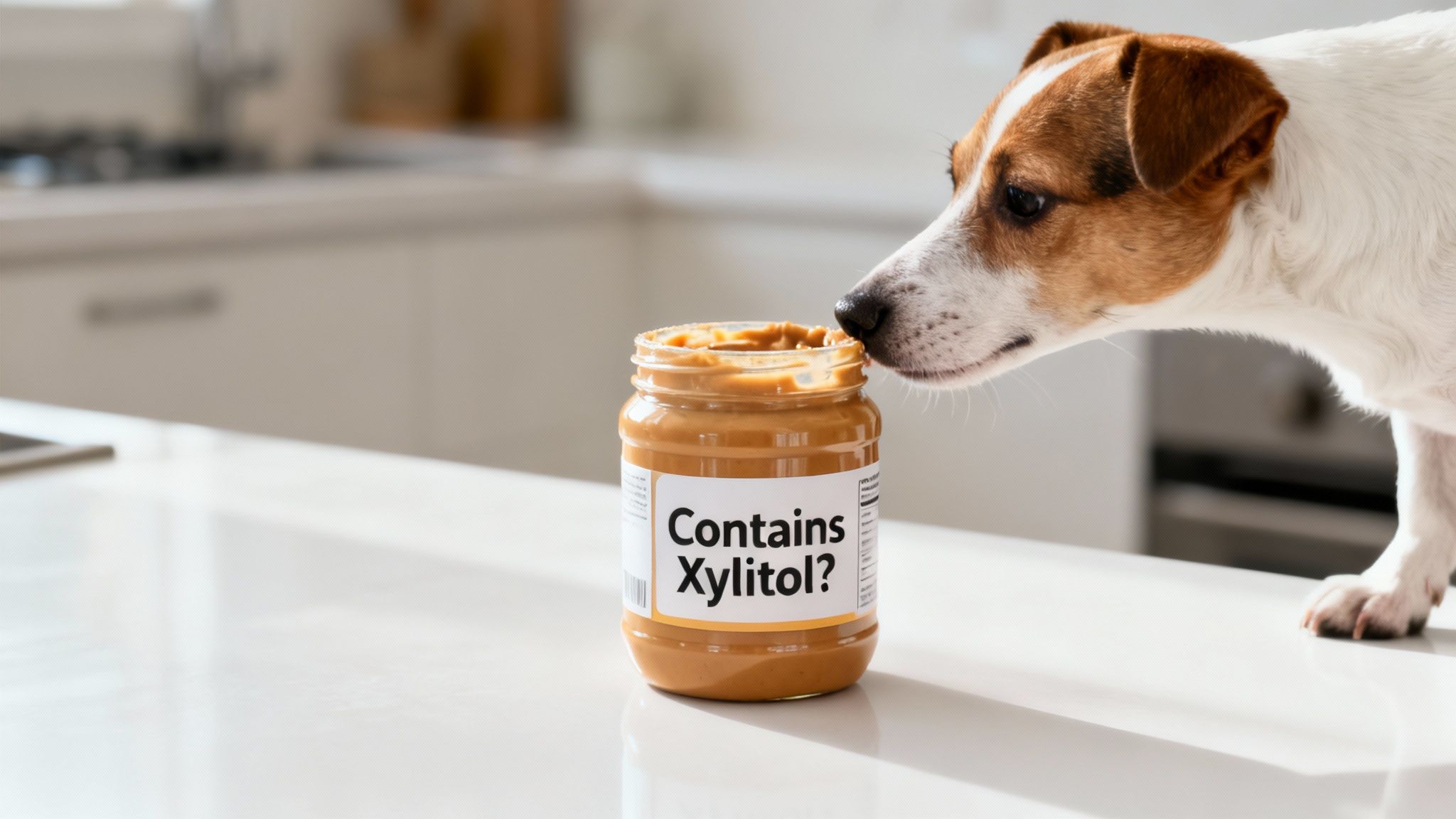
Of all the ingredients to avoid in dog treats, xylitol is arguably the most dangerous. This sugar alcohol is used as a low-calorie sweetener in many human products, from chewing gum and candy to baked goods and even some peanut butters. While perfectly safe for people, it is extremely toxic to dogs. In canines, xylitol is absorbed rapidly into the bloodstream, triggering a massive release of insulin from the pancreas.
This sudden insulin surge causes a life-threatening drop in blood sugar levels, a condition known as hypoglycemia. Even a very small amount can be catastrophic. Ingesting just 0.1 grams per kilogram of a dog's body weight can cause severe poisoning, with symptoms like vomiting, weakness, and loss of coordination appearing within 30 minutes. Higher doses can lead to seizures, liver failure, and even death, making it a critical ingredient for every dog owner to recognize and avoid.
Why It Is Used and Where to Find It
Xylitol is popular in "sugar-free," "low-carb," or "keto-friendly" human products, but it has started appearing in some pet products as well. You must be vigilant and check labels for it in:
- Sugar-free peanut butter: Many dog owners use peanut butter as a treat or to hide pills. Always check the ingredient list, as some popular brands now use xylitol.
- Certain dental chews: Some dental health products marketed for dogs may use sugar alcohols like xylitol for palatability.
- Human foods: Accidental ingestion is the most common cause of poisoning. This includes gum, mints, certain puddings, and baked goods left within a dog's reach.
How to Find Safer Alternatives
Preventing xylitol poisoning requires strict vigilance and careful label reading. Since there is no safe amount for dogs, complete avoidance is the only option.
Pro Tip: Never assume a product labeled "sugar-free" or "naturally sweetened" is safe. Always turn the package over and read the full ingredient list to confirm xylitol is not present. If you're unsure, do not give it to your dog.
When choosing a peanut butter, select a brand that contains only peanuts and maybe salt. For dental chews or other treats, look for those sweetened with natural ingredients like molasses or honey in moderation, or those that are unsweetened altogether. Educating everyone in your household about the dangers of this artificial sweetener is a crucial step in keeping your pet safe. If you ever suspect your dog has ingested xylitol, contact your veterinarian or an animal poison control center immediately.
3. Corn Syrup and High-Fructose Corn Syrup (HFCS)
When you see a dog treat that looks exceptionally glossy or feels temptingly soft and chewy, a cheap sweetener is often the culprit. Among the most common ingredients to avoid in dog treats are corn syrup and its more processed cousin, high-fructose corn syrup (HFCS). These sugary liquids are used by manufacturers to make treats more appealing to dogs and to act as a cost-effective binder, but they offer zero nutritional value.
Just like in humans, a diet high in these simple sugars can lead to a cascade of health problems for your dog. They deliver a rush of empty calories that contribute directly to weight gain, obesity, and diabetes. Furthermore, these sugars are a primary fuel source for harmful bacteria in the mouth, accelerating tartar buildup and dental disease. Over time, consistent consumption can disrupt your dog's metabolism, leading to insulin resistance and chronic inflammation.
Why They Are Used and Where to Find Them
Corn syrup and HFCS are cheap, versatile, and make treats highly palatable, which is why they are so prevalent in the pet food industry. You can often spot them in:
- Mass-market "soft" or "chewy" treats: These sugars help create and maintain that moist, soft texture.
- Budget-friendly brands: They are a low-cost way to make bland ingredients taste better to a dog.
- Flavored dental chews: Many dental treats use sweeteners to mask other flavors and encourage chewing.
- Some peanut butter-flavored treats: Always check the label, as corn syrup is a frequent additive in lower-quality flavored products.
How to Find Safer Alternatives
Avoiding these unhealthy sugars is a crucial step in protecting your dog's long-term health. The best alternatives leverage the natural sweetness found in whole foods, providing both flavor and nutritional benefits.
Pro Tip: Opt for treats naturally sweetened with ingredients like sweet potato, apple, blueberries, or carrots. If a concentrated sweetener is used, look for minimal amounts of honey or molasses, which offer trace minerals, unlike corn syrup.
When examining a treat's packaging, scan the ingredient list for "corn syrup," "high-fructose corn syrup," "glucose," or "dextrose." If you find any of these listed, especially near the top, it's a clear signal to choose a different product. Single-ingredient, freeze-dried treats like liver or salmon are excellent sugar-free options that dogs find irresistible.
4. Meat by-products and Low-Quality Protein Sources
The term "meat by-products" on a treat label can be a red flag for savvy dog owners. This vague ingredient refers to the parts of slaughtered animals that are not typically used for human consumption. This can include anything from spleens and intestines to hooves, beaks, and feathers, often from unspecified or even diseased animal sources. These low-quality protein sources offer minimal nutritional value compared to whole meats.
While protein is essential for muscle maintenance, immune function, and overall health, not all proteins are created equal. By-products lack the complete and digestible amino acid profiles found in high-quality muscle meat. Consistent consumption of treats made with these fillers means your dog isn't getting the building blocks they need to thrive, which is especially critical for growing puppies and senior dogs who require optimal nutrition.
Why They Are Used and Where to Find Them
Meat by-products are an inexpensive way for manufacturers to boost the protein percentage on a label without using costly, high-quality ingredients. They are a common shortcut in the pet food industry to reduce production costs. You'll frequently find them in:
- Low-cost training treats: Inexpensive, mass-produced treats often rely on by-products as a primary ingredient.
- Generic jerky or meat-flavored sticks: If the label doesn't specify "beef" or "chicken," it might be made from by-products.
- Budget-friendly dental chews: Many dental treats use "meat and bone meal" or other by-products as a base.
- Products with vague labels: Terms like "animal digest" or "meat meal" (without specifying the animal) are indicators of low-quality sources.
How to Find Safer Alternatives
Choosing high-quality protein is one of the best things you can do for your dog’s health. Fortunately, many brands are transparent about their sourcing, making it easy to find better options.
Pro Tip: Look for treats where a named, whole meat like chicken, beef, turkey, or salmon is the first ingredient. Single-ingredient, freeze-dried treats (like beef liver or chicken breast) are also excellent choices as they contain no fillers.
When you're shopping, carefully examine the ingredient panel. Reject any product listing generic "meat by-products," "animal by-products," or "meat and bone meal." Instead, opt for treats that clearly state the source, such as "chicken meal" or "beef liver." By prioritizing identifiable, high-quality protein, you ensure the treats you give are contributing positively to your dog's well-being.
5. Soy and Soybean Meal
Soy is often marketed as a healthy, plant-based protein, but it stands out as one of the key ingredients to avoid in dog treats. Frequently used as an inexpensive filler to boost protein content on the label, soy and its derivative, soybean meal, offer limited nutritional value for our canine companions. Unlike high-quality animal proteins, the amino acid profile in soy is less bioavailable for dogs, meaning their bodies can't utilize it as efficiently.
Beyond its subpar protein quality, soy is a common allergen known to trigger skin issues like itching and hot spots, as well as gastrointestinal distress. It also contains phytoestrogens, plant-based compounds that can mimic estrogen in the body. Over time, consistent consumption of these compounds can potentially disrupt a dog's endocrine system, which may contribute to thyroid dysfunction and other hormonal imbalances, a particular concern for aging or sensitive dogs.
Why It Is Used and Where to Find It
Soy is a cost-effective way for manufacturers to increase the protein percentage of their treats without using more expensive meat ingredients. This makes it a popular choice in certain types of products. You'll commonly find it in:
- Low-cost or budget brands: Many mass-market treats use soybean meal as a primary binding agent or protein filler.
- Vegetarian or vegan formulas: These treats often rely heavily on soy as the main protein source.
- "Grain-free" products: Some manufacturers replace grains like corn and wheat with soy, which doesn't solve the filler ingredient problem.
- Soft-baked and conventional training treats: Its texture and low cost make it a common ingredient in these formats.
How to Find Safer Alternatives
Avoiding soy requires careful label inspection, as it can be listed under several names. Fortunately, the market is full of superior, soy-free options that prioritize your dog's health.
Pro Tip: When reading the label, look for treats that list a whole animal protein like chicken, beef, lamb, or fish as the first ingredient. For plant-based alternatives, treats using pea protein or chickpea flour are often better tolerated than soy.
When shopping, scan the ingredient list for terms like "soy," "soybean meal," "soy flour," or "textured vegetable protein." If you suspect your dog has a soy sensitivity, a strict elimination for 6-8 weeks can help clarify if it's the culprit behind their symptoms. Opting for limited-ingredient treats or those made with single-source animal proteins is the easiest way to ensure you're giving your dog a high-quality, soy-free reward.
6. Propylene Glycol
The soft, chewy texture that makes certain dog treats so appealing can sometimes come from a questionable source. One of the key ingredients to avoid in dog treats for this reason is propylene glycol. This synthetic substance is used as a humectant, meaning it helps retain moisture and keeps semi-moist treats from drying out, ensuring a pliable, soft consistency that dogs often love.
While the FDA has deemed it "Generally Recognized As Safe" (GRAS) for dogs, it's the same primary ingredient found in some automotive antifreeze. Consistent consumption can lead to the accumulation of this chemical in your dog's system. It has been linked to the destruction of red blood cells (a condition known as Heinz body anemia) and can potentially damage the intestinal lining over time, disrupting the healthy gut microbiome.
Why It Is Used and Where to Find It
Propylene glycol is a cheap and effective way for manufacturers to create a shelf-stable, soft product that remains palatable for long periods. You'll most commonly find it in products where texture is a key selling point.
- Semi-moist training treats: Those soft, bite-sized morsels are often prime culprits.
- Jerky-style or "meaty" stick treats: It keeps these products feeling fresh and chewy.
- Budget dental chews: Many brands market a "soft chew" for dental health that relies on this additive.
- Mass-market soft-baked biscuits: Look closely at the labels of popular, widely available soft treats.
How to Find Safer Alternatives
Finding treats without propylene glycol is straightforward once you know what to look for. Reading labels is your best defense against this and other unwanted additives.
Pro Tip: Search for treats that use vegetable glycerin as a natural humectant. It provides a similar soft texture without the associated health concerns. You can also opt for treats that are naturally soft due to their ingredients, like those made with fresh pumpkin or sweet potato.
When you're shopping, scan the ingredient panel for "propylene glycol" specifically. If you see it, it’s a clear signal to choose another option. Freeze-dried, air-dried, or crunchy baked biscuits are excellent alternatives that avoid the need for synthetic humectants altogether, providing a healthier way to reward your best friend.
7. Artificial Colors and Dyes (Red 40, Yellow 5, Yellow 6, Blue 2)
The vibrant rainbow of colors found in many popular dog treats might catch your eye, but they serve no purpose for your dog. Artificial colors like Red 40, Yellow 5, and Blue 2 are synthetic, petroleum-derived chemicals added purely for human visual appeal. Since dogs perceive color differently and don't care if their biscuit is bright green or naturally brown, these additives are entirely unnecessary and introduce needless risks.

While approved for use, the safety of these dyes is a subject of ongoing debate. Research has linked them to a range of health concerns, including allergic reactions (skin itchiness, hives), hyperactivity, and behavioral issues. For dogs already prone to anxiety or sensitivities, these dyes can exacerbate problems. Some studies have even raised concerns about potential carcinogenic effects with long-term, consistent exposure, making them a key ingredient to avoid in dog treats.
Why They Are Used and Where to Find Them
Artificial dyes are a marketing tool used by manufacturers to make products look more fun and appealing to the pet owner buying them. You can easily spot them in:
- Brightly colored training treats: Small, multi-colored biscuits are often loaded with dyes.
- Artificially colored dental chews: Many chews designed for dental health are dyed bright green or blue for marketing purposes.
- Mainstream treat brands: Large, commercial brands often use a cocktail of colors to create a visually distinct product.
- Budget-friendly treats: Lower-cost formulations frequently rely on these cheap additives instead of high-quality, naturally colored ingredients.
How to Find Safer Alternatives
Avoiding artificial colors is a straightforward way to improve the quality of your dog’s diet. The best alternatives are treats that let the natural color of their ingredients shine through.
Pro Tip: Look for treats colored with natural, food-based ingredients like beetroot powder (for red/pink hues), turmeric (for yellow), or spinach (for green). These not only provide color but can also add beneficial nutrients.
When shopping, check the ingredient panel for specific names like "Red 40," "Yellow 5," "Yellow 6," "Blue 2," or general terms like "color added." A simpler approach is to look for packages that explicitly state "no artificial colors." If a treat is a color not found in nature, it’s a clear signal to put it back on the shelf and choose something more wholesome.
8. Salt, Sodium Nitrite, and Sodium Nitrate (Curing Agents)
While a small amount of sodium is essential for a dog's bodily functions, excessive salt and related curing agents are critical ingredients to avoid in dog treats. High levels of salt, along with chemicals like sodium nitrite and sodium nitrate, are frequently used to preserve meat-based treats, enhance flavor, and give products like jerky their characteristic color and texture. Unfortunately, what makes them effective for shelf stability can be detrimental to your dog's health.
Excess sodium can lead to dehydration, increased thirst and urination, and in severe cases, a dangerous condition called hypernatremia (salt poisoning). For dogs with pre-existing heart or kidney conditions, high-salt treats can be especially harmful. Furthermore, sodium nitrite and nitrate are a particular concern for health-conscious owners. These curing agents can form carcinogenic compounds called nitrosamines in the stomach, posing a long-term risk that is unnecessary for your pet's well-being.
Why They Are Used and Where to Find Them
Salt and chemical curing agents are staples in processed meat products due to their powerful preservation and flavoring capabilities. You will commonly find them in:
- Jerky-style and bacon-flavored treats: These products rely heavily on curing to achieve their taste and long shelf life.
- Mass-produced meat chews: Many conventional brands use these ingredients to prevent spoilage in their meat-based treats.
- Low-cost sausage or "stick" treats: Cheaper processing methods often involve higher levels of salt and nitrates for preservation.
How to Find Safer Alternatives
Avoiding these additives requires a careful eye on the nutrition facts and ingredient list. Many high-quality brands now offer meat treats that are preserved naturally without these harsh chemicals.
Pro Tip: Opt for treats that are freeze-dried, dehydrated, or air-dried without added salts or chemical curing agents. These methods preserve the nutritional integrity of the meat without the need for risky additives.
When shopping, check the ingredient list specifically for "salt," "sodium nitrite," or "sodium nitrate." If these are listed high up or if the sodium content seems elevated, it is best to choose another option. For dogs with hypertension or heart disease, eliminating cured treats entirely is the safest choice. Always ensure your dog has access to plenty of fresh water to help flush their system, especially after they have consumed any treats.
8 Dog-Treat Ingredients to Avoid — Comparison
Transforming Treats from Simple Rewards to Powerful Health Boosters
Navigating the dog treat aisle can feel overwhelming, but you are now equipped with the knowledge to make confident, health-conscious choices for your furry family member. We've explored the hidden dangers lurking in many popular treats, from chemical preservatives like BHA and BHT to artificial sweeteners such as xylitol that pose a severe risk. Understanding what ingredients to avoid in dog treats is the first, most crucial step in protecting your pet from preventable health issues.
You've learned to spot and steer clear of ambiguous terms like "meat by-products" and recognize the empty calories provided by fillers like corn syrup and soy. By committing to reading labels and questioning vague marketing claims, you transform your role from a simple pet owner into a proactive advocate for your dog's well-being. This isn't just about avoiding the bad; it's about actively choosing the good.
Your Actionable Roadmap to Healthier Treating
So, what are the next steps? It’s time to put this knowledge into practice and make every treat count. This transition is easier than you think and can begin today.
1. The Pantry Purge:
Start by auditing your current treat supply. Grab those bags and containers and scrutinize the ingredient lists. If you find artificial preservatives, colors, propylene glycol, or xylitol, it's time to discard them. This single action creates a safer food environment for your dog immediately.
2. Become a Label Detective:
Make label reading a non-negotiable habit. Look for short, recognizable ingredient lists. If you can't pronounce it, or if it sounds like it belongs in a science lab, it probably doesn't belong in your dog's body. Your new mantra should be: whole foods first.
3. Redefine the "Treat":
A treat doesn't have to be a processed, biscuit-shaped snack. Consider these powerful, single-ingredient alternatives that offer immense health benefits:
- For Joint Health: A spoonful of plain Greek yogurt or a few blueberries.
- For Dental Health: A crisp carrot stick or a slice of apple (seeds and core removed).
- For Training: Small, dehydrated pieces of chicken, beef, or salmon.
The Shift from Avoidance to Intentional Nutrition
Moving forward, the goal is to elevate your dog's daily treat from a simple moment of joy to a cornerstone of their wellness routine. Instead of just avoiding harmful additives, you can actively seek out treats and supplements formulated with intention and backed by science.
Key Insight: The most powerful treats are those that do more than just taste good. They should actively contribute to your dog's longevity, gut health, immunity, and overall vitality.
This is where purposefully crafted supplements, like a daily superfood chew, can play a pivotal role. When you choose a product formulated with high-quality, human-grade ingredients, you are giving your dog a concentrated dose of wellness. You're replacing the risk of artificial dyes and fillers with the benefits of functional, science-backed nutrition designed to support a long and vibrant life.
Ultimately, your commitment to understanding what ingredients to avoid in dog treats is an act of love. It’s a promise to provide the best possible care, ensuring the time you share is not only happy but also as long and healthy as possible. By making these informed choices, you are investing directly in your dog's future, one delicious, health-boosting treat at a time.

Karolis is the Founder of FORMA, a pet wellness brand focused on longevity and daily nutrition for dogs. Writes about supplements, canine health, and helping pets live longer, healthier lives
Join thousands of pet parents getting science-backed health insights and natural care advice