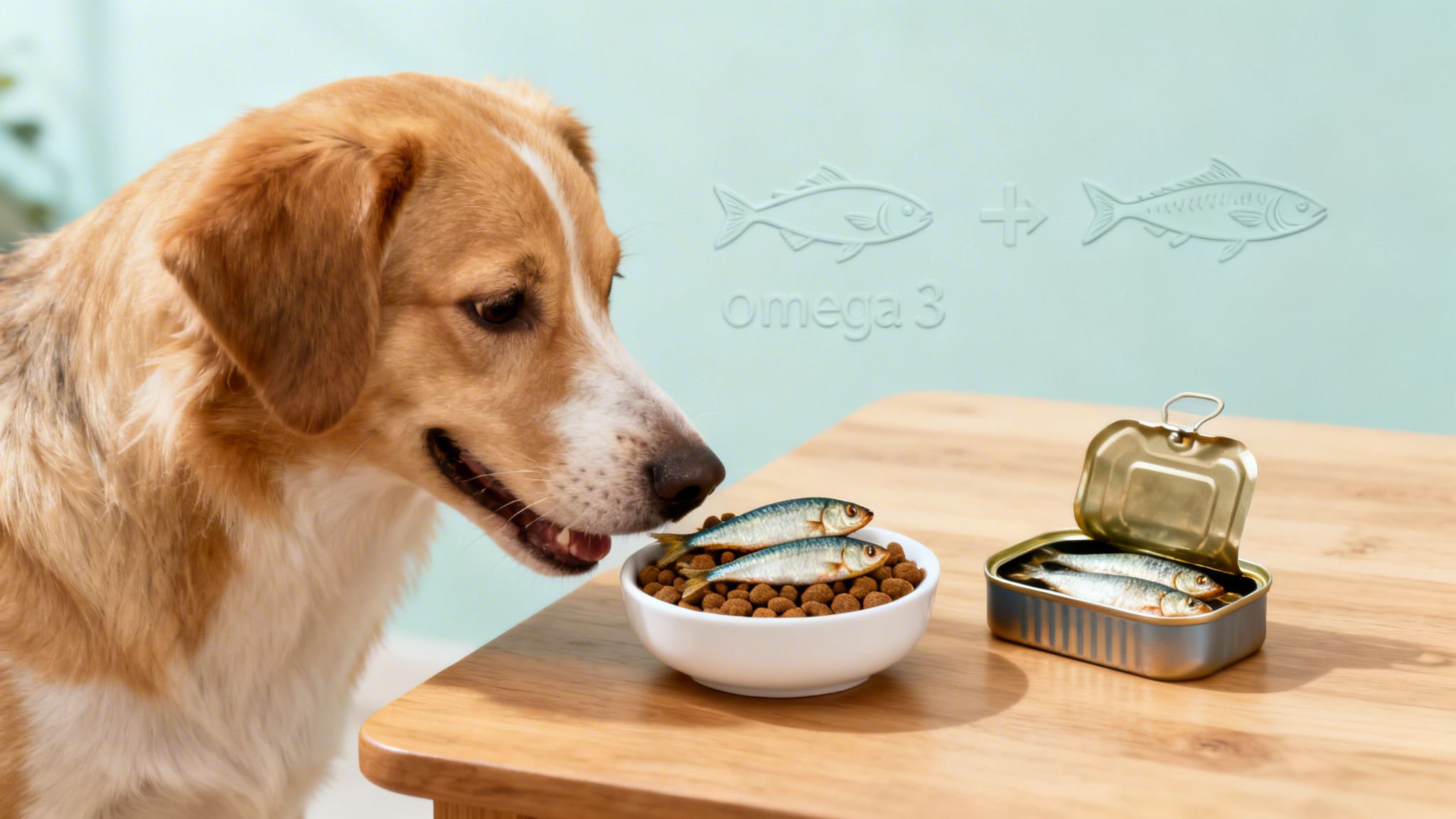
What to feed senior dogs: what to feed senior dogs with balanced nutrition
Discover what to feed senior dogs to support joints, weight, and vitality with expert tips, nutrient needs, and practical feeding plans.

When you start wondering what to feed your senior dog, the answer usually comes down to a simple formula: fewer calories, but packed with high-quality protein, plenty of fiber, and joint-supporting goodies like glucosamine. As dogs get older, their metabolism naturally slows down and their nutritional needs change. This is why a specialized senior formula isn't just a marketing gimmick—it's essential for keeping them healthy and full of life.
Making this dietary switch helps manage their weight, keeps their digestion running smoothly, and protects those aging joints from wear and tear.
The Foundation of Senior Dog Nutrition

As dogs enter their golden years, the importance of a specialized diet becomes crystal clear. Their metabolism is a bit like a car engine that runs cooler than it used to; it just doesn't burn through fuel as quickly. This means they need fewer calories to avoid packing on extra pounds, which can put a dangerous amount of strain on their joints and organs.
At the same time, we absolutely have to help them maintain their muscle mass. This is where high-quality, easily digestible protein comes in. Their bodies need protein they can absorb and use efficiently. It's a common myth that older dogs need less protein. The truth is, they need better protein to fight off age-related muscle loss, a condition known as sarcopenia.
Why Senior-Specific Food Matters
The demand for diets tailored to older dogs is growing for a good reason. The elderly dog food market skyrocketed to USD 1.9 billion in 2024 and is expected to nearly double by 2032. This boom is fueled by owners like us who see the unique challenges our senior pets face. With almost half of all dogs now considered seniors (aged seven or older), these specialized diets are designed to tackle common issues head-on, from stiff joints to sensitive stomachs. You can discover more insights about this growing market and what it means for pet wellness.
This focus on targeted nutrition addresses several key areas:
- Joint and Mobility Support: Ingredients like glucosamine, chondroitin, and omega-3 fatty acids are often included to help reduce inflammation and support cartilage. The goal is to keep your dog moving comfortably.
- Digestive Health: Higher fiber content helps keep the digestive system regular, preventing constipation and feeding the good bacteria in the gut. A healthy gut is crucial for absorbing all those important nutrients.
- Cognitive Function: Antioxidants like vitamins E and C, along with brain-boosting omega-3s, help protect against the cellular damage that comes with aging, keeping your dog mentally sharp.
- Immune System Strength: As dogs age, their immune systems can weaken. A blend of essential vitamins, minerals, and antioxidants helps bolster their natural defenses.
To see just how different these needs are, let's break down the key shifts from an adult diet to a senior one.
Key Nutritional Shifts for Senior Dogs at a Glance
This table quickly summarizes the essential dietary adjustments you'll find in a good senior-specific dog food compared to a standard adult formula.
Understanding these differences makes it clear why simply feeding less of their old food isn't enough. Senior formulas are rebalanced to give them exactly what they need, right when they need it most.
The goal isn’t just to feed your senior dog; it’s to provide targeted fuel that actively supports their body through the aging process. A well-formulated diet can significantly improve their quality of life, from mobility to cognitive function.
Choosing the right food is one of the most impactful decisions you can make for your aging friend. By understanding these core principles, you're empowered to select a diet that helps them thrive in their golden years.
Understanding Your Senior Dog's Changing Nutritional Needs
Think of your senior dog’s body like a classic car. It still runs great, but its engine is a little different now. It needs a more refined, specialized fuel to keep all its parts working smoothly without putting too much strain on the system.
That's a pretty good way to think about your aging dog. Their body is going through some significant—but totally normal—changes. For starters, their metabolism, the internal engine that burns calories for energy, can slow down by as much as 20%. This means they just don't need as many calories to maintain a healthy weight, which puts them at a higher risk for obesity if their diet isn't adjusted.
The Metabolism Slowdown
This metabolic shift is probably the single most important thing to consider when choosing food for your older dog. If you keep feeding them the same high-calorie food they ate as a young adult, it's like overfilling the gas tank of that classic car. The extra fuel has nowhere to go, and it starts to cause problems.
For a senior dog, those unused calories get stored as fat. The extra weight puts a ton of stress on their aging joints, making conditions like arthritis much worse. It also increases their risk for other serious health issues, like heart disease and diabetes. So, the first and most crucial step is dialing back their calorie intake.
Preserving Muscle and Protecting Organs
Here’s where it gets interesting: while their calorie needs drop, their need for high-quality protein often goes up. As dogs get older, they naturally start to lose muscle mass in a process called sarcopenia. This can make them weaker, making it harder to get up, climb stairs, or just enjoy a walk.
To fight this muscle loss, good senior dog foods are made with highly digestible protein. This isn't just any protein—it comes from sources their bodies can easily break down and use to maintain and repair muscle tissue. It's all about quality over quantity, making sure every gram of protein works efficiently without overworking their aging kidneys.
A common myth is that senior dogs need less protein. The truth is, they need better, more bioavailable protein to keep them strong and mobile as they navigate their golden years.
It’s a delicate balancing act. For example, as a dog’s energy needs drop by 10-15%, senior foods often contain more protein than the minimum standard for adults to counteract muscle loss. At the same time, phosphorus levels are typically cut by 20-40% to help protect their kidneys, which is a common area of concern for older dogs. You can learn more about senior dog food formulation research to see just how precise these adjustments are.
Supporting Digestion and Immunity
An older dog's digestive system can also get a bit more sensitive. It might not produce digestive enzymes as efficiently, which makes it harder to absorb all the good stuff from their food. That's why so many senior formulas include ingredients specifically for gut health.
- Increased Fiber: A good mix of soluble and insoluble fiber helps keep things moving along smoothly, preventing constipation. Fiber is also food for the good bacteria in the gut, which is essential for nutrient absorption and a strong immune system.
- Prebiotics and Probiotics: These ingredients give a direct boost to the healthy gut microbiome, helping your dog get the most out of every single meal.
- Antioxidants: Vitamins E and C, along with other antioxidants, help fight the cellular damage that comes with age. This gives their immune system a helping hand, making them better at fighting off illness.
- Omega Fatty Acids: Omega-3s, usually from fish oil, are fantastic anti-inflammatories. They're especially great for soothing achy joints and supporting brain health, helping to keep your dog's mind sharp.
When you understand these internal shifts, it’s clear why a specially formulated senior diet isn’t just marketing—it’s a cornerstone of good care. Every ingredient is there for a reason, all working together to give your aging friend the gentle, effective fuel they need to thrive.
Choosing the Best Senior Dog Diet
Walking down the pet food aisle can be dizzying. With so many bags and cans all claiming to be the best for your old friend, how do you even start? When it comes to feeding a senior dog, the choice usually boils down to four main paths: dry kibble, wet food, homemade meals, or a raw diet.
There’s no single “best” answer here. Each option has its own set of pros and cons, and the right choice really depends on your dog’s specific health, your lifestyle, and what your vet thinks. It’s a lot like planning meals for an elderly human family member—some need soft foods, others need carefully managed diets for health issues. Your dog deserves that same level of personalized care.
Let's break down what each food type really offers for a senior dog.
Dry Kibble: The Convenient Classic
There's a reason dry food, or kibble, is the go-to for most dog owners. It’s easy to store, simple to serve, and generally kinder to the wallet. Many brands now offer excellent senior-specific formulas designed with lower calories, more fiber for digestive health, and added joint support like glucosamine.
One of the biggest selling points for kibble has always been its dental benefit. The crunchy texture creates a scrubbing action that helps scrape away plaque and tartar, which is a huge bonus since dental problems are so common in older dogs. The main drawback? Its very low moisture content can be a problem if your senior isn't a big drinker.
Wet Food: A Boost of Hydration and Flavor
For senior dogs with dental pain, a picky palate, or a low thirst drive, wet or canned food can be a lifesaver. Its soft texture is gentle on sore teeth and gums, making mealtime a much more pleasant experience for a dog who finds chewing difficult.
The high moisture content—often 75% or more—is its standout feature. This helps keep your dog well-hydrated, which is absolutely critical for supporting kidney function as they age. The rich aroma is also fantastic for enticing a dog whose sense of smell isn't what it used to be, ensuring they don't skip essential meals.
For senior dogs struggling with a weak appetite or dental pain, the switch to a palatable, high-moisture wet food can be a game-changer. It ensures they receive both essential nutrients and adequate hydration in every bite.
Homemade Diets: The Personalized Approach
Cooking for your dog at home gives you absolute control over every ingredient that goes into their bowl. This can be a wonderful solution for dogs with severe food allergies or unique health problems where commercial diets just don’t cut it. You get to choose fresh, high-quality ingredients tailored specifically to your vet's recommendations.
But this route is a serious commitment. It is incredibly difficult to formulate a diet that is 100% nutritionally complete and balanced on your own. Research on home-prepared diets has shown that most are deficient in one or more essential nutrients. If you go this route, working with a board-certified veterinary nutritionist isn't just a good idea—it's non-negotiable.
Raw Food Diets: An Ancestral Option
Raw food diets, often called BARF (Biologically Appropriate Raw Food), try to mirror what a dog’s wild ancestors ate. Enthusiasts often report shinier coats, healthier skin, and cleaner teeth. These diets are typically built around raw meat, bones, organs, and a small amount of fruits and vegetables.
While some dogs do very well on raw food, it’s not without significant risks. There's a real danger of bacterial contamination from uncooked meat (like Salmonella or E. coli), which can make both your dog and your human family sick. Whole bones can also pose a choking hazard or cause internal injuries. Just like with homemade diets, getting the nutritional balance right is a major hurdle, and you should never attempt it without your veterinarian's guidance.
Comparing Senior Dog Diet Types
Choosing the right food format can feel like a puzzle. To make it a bit clearer, we've laid out the pros and cons of each type side-by-side. Think about your dog's unique needs—their teeth, their appetite, their hydration levels—as you review the options.
Ultimately, the best food is the one that keeps your senior dog healthy and happy, works for your daily routine, and gets a big thumbs-up from your veterinarian.
Managing Senior Dog Health Issues with Nutrition
For a senior dog, food isn't just fuel—it's one of the most powerful tools you have for managing their health day-to-day. As your old friend ages, they're likely to face a few common hurdles like creaky joints, a sluggish metabolism, or a finicky stomach. The right diet can work like a gentle form of daily medicine, soothing their symptoms and boosting their quality of life.
By making a few smart nutritional adjustments, you can give their body support exactly where it's needed most. Think of it like swapping out standard motor oil for a high-performance blend designed for a classic car engine—it just helps everything run a little smoother. Let's dig into how you can use nutrition to tackle some of the most common health challenges in older dogs.
Soothing Stiff Joints and Arthritis
Achy, stiff joints are one of the top complaints for senior dogs. While you can't turn back the clock on arthritis, you can absolutely use their diet to help manage the inflammation and discomfort that comes with it. The idea is to pack their meals with natural anti-inflammatory ingredients.
Key nutrients for joint support include:
- Omega-3 Fatty Acids: Found in fish oil from sources like salmon and sardines, these are the superstars of inflammation reduction. Look for foods specifically fortified with EPA and DHA.
- Glucosamine and Chondroitin: These are the natural building blocks of cartilage. Adding them to a senior diet helps protect what’s left and can even support minor repairs.
- Antioxidants: Ingredients like blueberries, spinach, and sweet potatoes are loaded with antioxidants that fight cellular damage, a key contributor to inflammation.
Keeping your dog at a healthy weight is also non-negotiable for joint health. Every extra pound puts a massive strain on their hips, knees, and spine, so a calorie-controlled diet is a must for any dog showing signs of arthritis.
Supporting Kidney Health
It’s natural for kidney function to decline a bit with age. Nutrition plays a huge role in slowing this process down and taking some of the pressure off these vital organs. If your vet has diagnosed kidney issues, they will almost certainly prescribe a therapeutic diet with very specific tweaks.
The main goal of a kidney-support diet is to reduce the amount of waste products the kidneys have to filter. This is done by carefully managing protein and phosphorus to ease the strain on the whole system.
Here are the key changes for kidney support:
- Controlled Phosphorus Levels: This is probably the single most important adjustment. High phosphorus levels can speed up kidney damage, so senior and therapeutic diets are formulated to keep it low.
- High-Quality Protein, in Moderation: It's a common myth that all senior dogs need less protein. For dogs with kidney disease, however, the protein needs to be highly digestible to create less nitrogenous waste for the kidneys to filter.
- Increased Omega-3s and B-Vitamins: Omega-3s help cool inflammation within the kidneys. B-vitamins are often added back in because they can be lost through the increased urination that often comes with kidney trouble.
This chart shows the most common types of dog food, all of which come in specialized formulas for managing health conditions like these.

Whether you go with kibble, wet food, or a homemade diet (with your vet's blessing), choosing a formula designed for a specific health issue is the way to go.
Maintaining a Healthy Weight
Pet obesity is a massive problem, affecting over 59% of dogs in the US. Seniors are especially at risk because their metabolism naturally slows down. At the same time, painful conditions like arthritis impact 20% of senior dogs—a problem made much worse by carrying extra weight. What makes finding the right food tricky is that there are no official, standardized profiles for "senior" dog food, which means quality and calorie counts vary wildly between brands. Reading the research on these challenges really highlights why being a careful label-reader is so important.
To help your dog stay trim, focus on these dietary tricks:
- Calorie Control: Pick a food specifically labeled for weight management or for seniors, as it should have a lower calorie density.
- L-Carnitine: This handy amino acid helps the body turn fat into energy, which supports lean muscle mass even as your dog slims down.
- Higher Fiber: Fiber is great because it helps your dog feel full and satisfied with fewer calories. That means less begging and a happier pup!
Easing Digestive Upset
A senior dog’s digestive system can get a little more sensitive with age. You might notice more gas, constipation, or just general tummy troubles. A diet built for good gut health can make a huge difference.
Look for foods that have:
- Highly Digestible Ingredients: Gentle proteins like chicken or fish and simple carbs like rice or sweet potato are much easier on an older dog's stomach.
- Probiotics and Prebiotics: Probiotics are the "good" bacteria that keep the gut microbiome healthy, and prebiotics are the specific fibers that feed them.
- A Good Fiber Blend: A mix of soluble and insoluble fiber (from sources like pumpkin or beet pulp) helps keep things moving along regularly.
By working with your vet and carefully choosing a diet that targets your dog’s specific needs, you can turn their food bowl into a true source of wellness. You'll be helping them feel their absolute best, every single day.
Using Supplements to Support Your Senior Dog
A great diet is the foundation of your senior dog’s health, no question about it. But think of supplements as the specialized support crew—they fill in any nutritional gaps and lend extra help right where it's needed most. Your dog’s food is their main course; supplements are the targeted vitamins that help their body run on all cylinders.
It's important to remember they aren't a replacement for quality food or a chat with your vet. Instead, they work with a good diet to give a boost to their joints, digestion, and overall energy. When you choose wisely, supplements can be a fantastic tool for supporting your dog through their golden years.
Bolstering Joint Health and Mobility
For so many senior dogs, stiff, achy joints are just an unfortunate part of getting older. Luckily, supplements designed for mobility are one of the most effective ways to provide a bit of comfort and support.
- Glucosamine and Chondroitin: These two are the dynamic duo of joint health. Glucosamine is a building block for cartilage (the cushion between bones), while chondroitin helps that cartilage hold onto water and stay elastic. Adding these can go a long way in maintaining joint function and easing the ouch of arthritis.
- Omega-3 Fatty Acids: Usually sourced from fish oil, these fats are nature's anti-inflammatories. They get to work reducing the inflammation that makes joints painful and stiff, which can make a real difference in your dog's comfort and willingness to move around.
While these ingredients can't turn back the clock on arthritis, they can absolutely improve your dog's quality of life by helping manage the symptoms.
Enhancing Gut Health and Immunity
A healthy gut is basically the command center for your dog's entire immune system. As our dogs get older, their digestion can become less efficient, making it tougher for them to absorb all the good stuff from their food and fight off bugs.
A senior dog’s gut microbiome is directly tied to their immune response. Supporting it with probiotics and prebiotics is one of the best ways to shore up their natural defenses against common illnesses.
Probiotics are the "good" bacteria that you introduce to their digestive system, and prebiotics are the special fibers that feed those good microbes. It's a one-two punch that creates a balanced gut, which means better nutrient absorption and a much stronger immune system. Antioxidants like vitamins C and E also chip in, protecting cells from damage and keeping their immune function on track.
Promoting Calmness and Cognitive Function
Getting older can sometimes bring new anxieties or even a bit of confusion for our dogs. Just like nutrition can support their body, certain ingredients can help soothe their mind and keep it sharp. L-theanine, an amino acid found in green tea, is well-known for promoting a sense of relaxation without making them drowsy.
This can be a game-changer for senior dogs who get restless or anxious. When you combine that with brain-supporting omega-3s, you’re giving them the tools to maintain a calm and happy state of mind while supporting their cognitive health.
Choosing the right supplements can feel like a lot, which is why an all-in-one solution is often the easiest and most effective way to go. For instance, FORMA's superfood chews are specifically designed to offer comprehensive support by putting all these key ingredients into a single daily treat. Their formula blends joint-supporting glucosamine, gut-healthy probiotics, immune-boosting antioxidants, and calming L-theanine. By using one science-backed product made with human-grade ingredients, you can give your senior dog total wellness support without juggling a cabinet full of bottles. It just makes daily care simpler and more effective.
Senior Dog Feeding Schedule and Portion Control
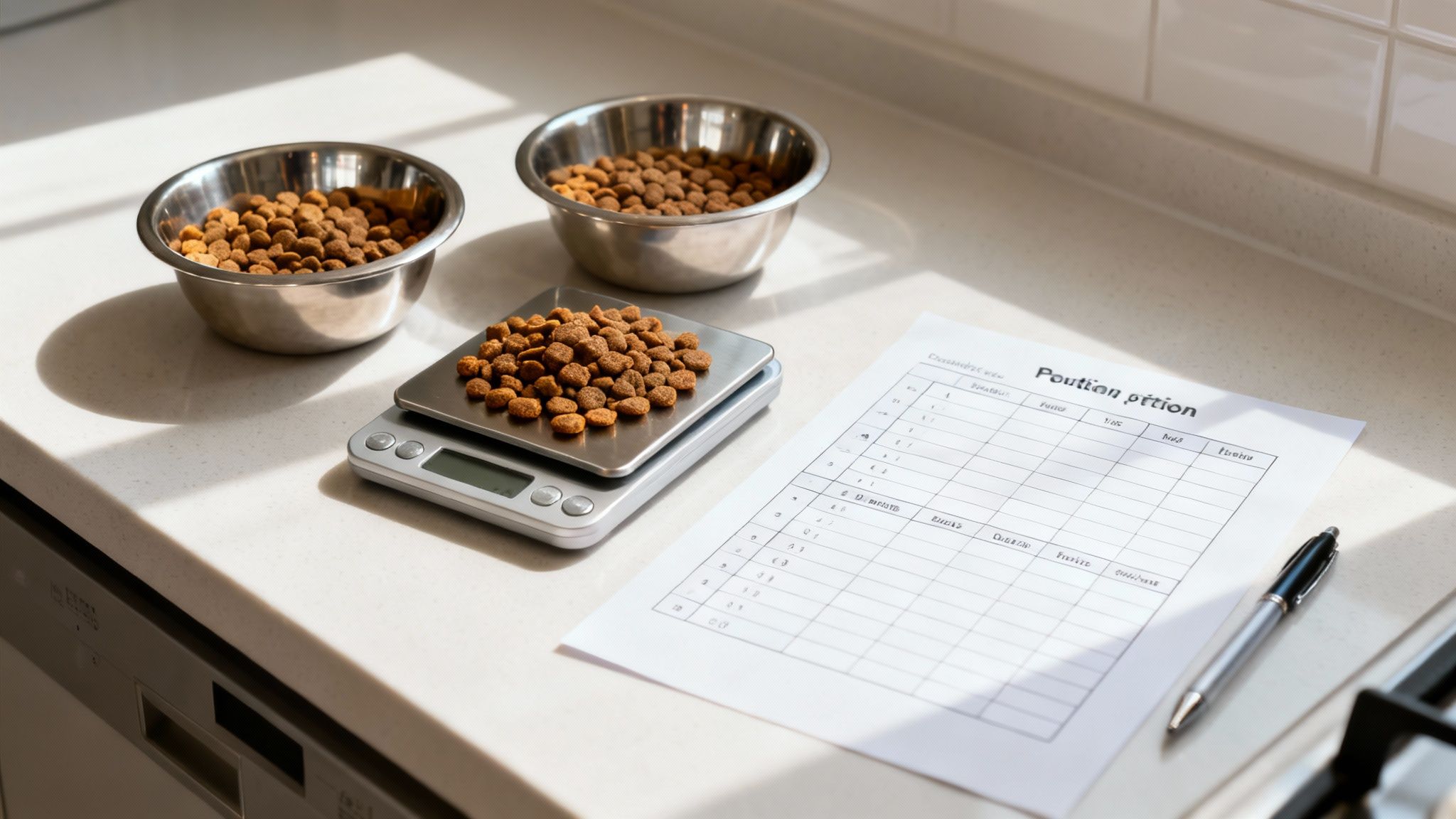
Once you've landed on the perfect food, the next piece of the puzzle is figuring out how much to feed and when. Getting the portions right isn't just about keeping your old friend from getting chunky; it’s about giving their body the precise fuel it needs to maintain steady energy and support a slowing digestive system.
Think of it this way: the food itself is the high-quality fuel, but the schedule and portion size are how you calibrate the engine. You need both to be dialed in. Even the best senior dog food can cause problems if you're overfeeding, leading to obesity and putting a ton of extra strain on their already achy joints.
Nailing Down Your Senior Dog’s Daily Calories
First things first, we need a baseline. This starts with figuring out your dog's Resting Energy Requirement (RER), which is the amount of energy they burn just by existing—breathing, sleeping, and keeping their organs running.
The calculation is pretty straightforward, but you'll need their weight in kilograms (kg). Just remember, 1 kg is about 2.2 pounds.
The Formula: RER = 70 x (body weight in kg)^0.75
So, for a 30-pound dog (which is roughly 13.6 kg), the math would look like this: 70 x (13.6)^0.75. That comes out to about 500 calories a day, which is their starting point.
Now, that's just the baseline. You'll need to adjust from there. A quiet, neutered senior who prefers snoozing to strolling might only need 1.2 to 1.4 times their RER. A more active old-timer might need a bit more. This is where a quick chat with your vet becomes invaluable.
Your dog's RER is the starting point, not the final number. Adjusting for their unique lifestyle is key to preventing gradual weight gain or loss, which is why regular body condition checks are so important.
Why a Consistent Feeding Schedule Matters
A random feeding schedule can really throw an older dog's digestive system for a loop. Instead of dumping a whole day's worth of food into their bowl at once, try splitting their daily portion into two, or even three, smaller meals. The benefits are huge.
- Easier on the Gut: Smaller, more frequent meals are much easier for an aging digestive tract to process. This can seriously cut down on bloating and tummy troubles.
- Stable Energy: Spreading out the calories helps prevent those dramatic energy spikes and crashes, keeping their mood and activity levels on a more even keel.
- Keeps Them Satisfied: Two meals a day often helps a dog feel fuller for longer, which can put a stop to all that hopeful begging between mealtimes.
More than anything, a predictable routine is comforting. For senior dogs, especially those dealing with a bit of cognitive decline, knowing when to expect a meal helps anchor their day. It’s a simple change that can make a world of difference in their overall well-being.
Got Questions About Feeding Your Senior Dog? We’ve Got Answers.
As our dogs get older, their needs change, and it’s natural to have questions about how to best care for them through their diet. We've gathered some of the most common questions we hear from owners and provided straightforward, expert-backed answers to help you make the best choices for your gray-muzzled friend.
When Is the Right Time to Switch to a Senior Dog Food?
This is a great question, and the answer isn't a specific number. It's less about how many candles were on their last birthday cake and more about their individual breed and health.
- Large and giant breeds often hit their senior years sooner, around 6–7 years old.
- Medium-sized dogs are typically considered seniors at 8–10 years.
- Small breeds have the longest runway, usually entering their golden years at 10–12 years old.
Look for the real-life signs of aging—maybe they’re a bit slower on walks, or their body shape is changing. A quick chat with your vet is the best way to decide if it's officially time to make the dietary switch.
The best time to change foods is based on your dog’s biological age, not their chronological one. Watch for signs like slowing down or gaining a little weight, and always loop in your vet for advice tailored to your pup.
Should I Be Looking for Grain-Free Food for My Senior?
Not necessarily. The grain-free trend isn't a one-size-fits-all solution for older dogs. In fact, unless your vet has diagnosed a specific grain allergy, whole grains like brown rice or oatmeal are fantastic sources of fiber and energy.
What truly matters is the overall quality of the food. A well-balanced recipe made with high-quality, easy-to-digest ingredients is far more important than whether it contains grains or not.
What Should I Do If My Senior Dog Is Losing Weight?
If you notice your older dog is unexpectedly losing weight, your first step should always be a call to the vet. It’s important to rule out any underlying health issues like dental pain, kidney problems, or other conditions before you start changing their food.
Once you have the all-clear from the vet, you can focus on diet. They might recommend a more calorie-dense senior food to help them maintain their weight, or suggest offering smaller, more frequent meals to tempt a dwindling appetite. It's often more effective than just piling more food into their bowl.

Karolis is the Founder of FORMA, a pet wellness brand focused on longevity and daily nutrition for dogs. Writes about supplements, canine health, and helping pets live longer, healthier lives
Join thousands of pet parents getting science-backed health insights and natural care advice