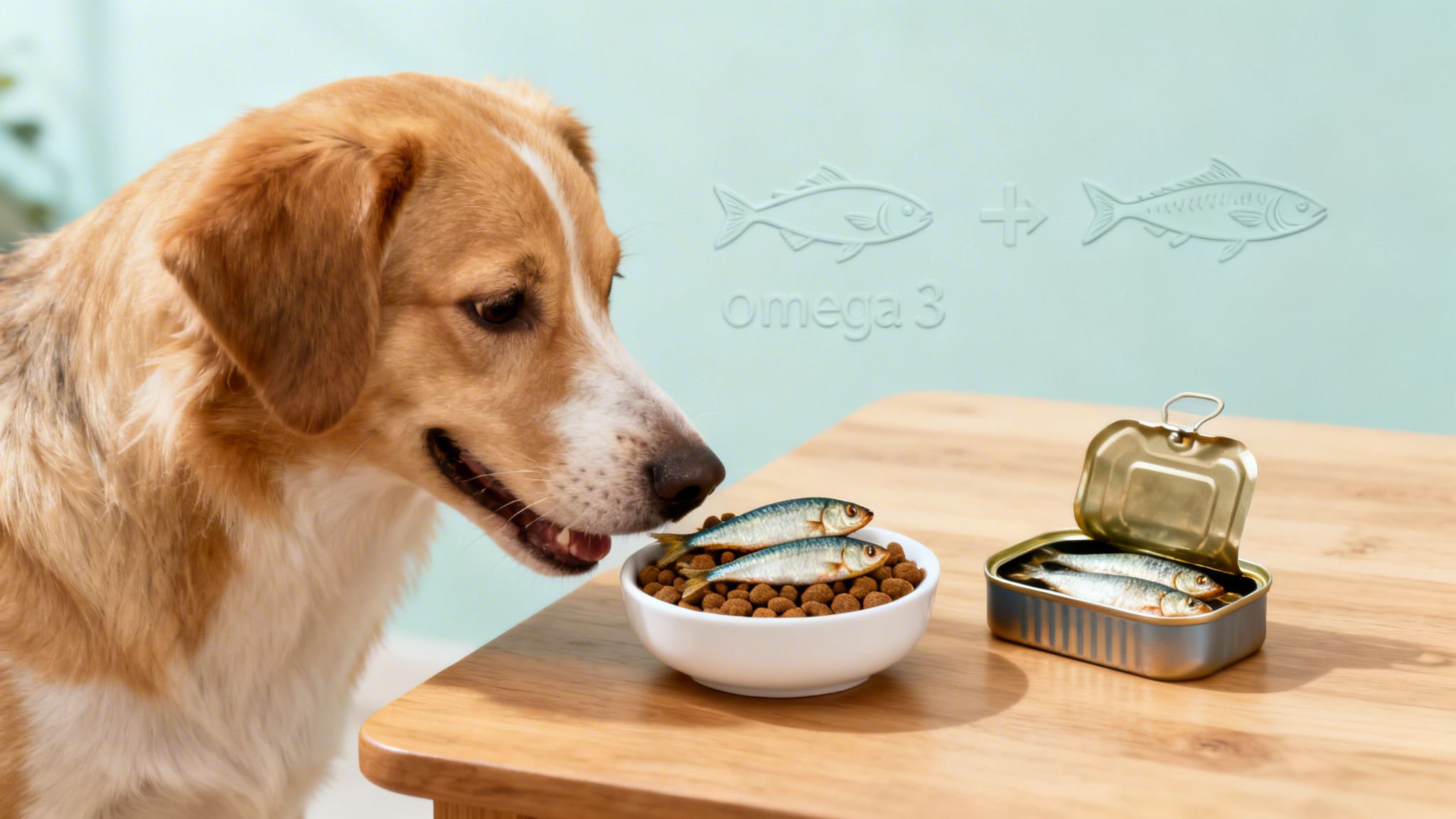
Daily habits to improve your dog’s health: simple steps for a healthier life
Discover daily habits to improve your dog’s health with 8 simple steps for a longer, happier life. Nutrition, exercise, grooming, and more.

Every dog owner wants their furry companion to live the longest, healthiest, and happiest life possible. While annual vet visits and genetics are important, the small, consistent actions we take each day have a truly profound impact on their long-term well-being. The single most powerful tool you have to influence your dog’s vitality is building a routine of positive daily habits to improve your dog’s health.
This guide moves beyond generic advice to provide a comprehensive and actionable framework for enhancing your dog's physical and mental wellness. We're not just telling you what to do; we're showing you how to seamlessly integrate these practices into your existing schedule, no matter how busy you are. You will discover practical strategies and fresh perspectives on the foundational pillars of canine care.
We will explore eight critical areas, covering everything from optimizing their diet and exercise regimen to nurturing their mental state and simplifying preventative care. You will learn specific techniques for:
- Nutrition and Feeding Routines: Fueling their body for optimal function.
- Exercise and Enrichment: Keeping their body strong and mind sharp.
- Mental Wellness and Calmness: Supporting their emotional balance.
- Grooming and Preventative Care: Proactively managing their physical health.
By incorporating these simple yet effective habits into your daily life, you can create a powerful foundation for a vibrant, thriving dog for years to come. Let's get started.
1. Perfecting Their Daily Diet and Gut Health
What you put in your dog’s bowl is the single most powerful daily habit to improve your dog's health. A high-quality, balanced diet tailored to their unique needs is the fuel for everything from their immune system to their energy levels. But modern canine wellness shows that it's not just about the main ingredients; it's also about optimizing their gut health for better nutrient absorption, stronger immunity, and even a calmer mood.
This habit transforms feeding from a simple chore into a proactive health-boosting ritual.
Why This Habit Matters
A dog's gastrointestinal tract is home to trillions of microorganisms, collectively known as the gut microbiome. A balanced microbiome is essential for digesting food, absorbing nutrients, and defending against pathogens. An imbalanced gut can lead to digestive upset, skin issues, allergies, and even behavioral problems.
By focusing on both high-quality food and targeted gut support, you create a foundation for lifelong wellness.
Key Insight: A healthy gut is the epicenter of your dog’s overall health. Nurturing it daily is one of the most effective preventative care strategies you can adopt.
How to Implement This Habit
Making this a consistent part of your routine is simple with a few key adjustments. The goal is to create a stable, nutrient-rich digestive environment.
Upgrade Their Base Diet: Scrutinize your dog's food label. The first ingredient should be a named meat source (like "chicken" or "beef," not "meat by-product"). Avoid foods with excessive fillers like corn, wheat, and soy, which can contribute to inflammation. Transition to any new food slowly over 7-10 days to avoid digestive upset.
Establish a Strict Feeding Schedule: Feed your dog at the same times every day, typically twice a day. This consistency helps regulate their digestive system and can prevent issues like acid reflux or hunger-induced anxiety. Use a measuring cup for precise portion control to maintain a healthy weight.
Incorporate a Daily Superfood Chew: Adding a science-backed supplement is an easy and effective way to ensure complete nutritional support. A daily superfood chew like FORMA delivers a powerful blend of prebiotics, postbiotics, and whole-food ingredients designed to nourish the gut microbiome, support a calm demeanor, and boost immune function. Giving it with their morning meal makes it an effortless part of your daily habits to improve your dog's health.
Use Puzzle Feeders: Instead of a regular bowl, use a puzzle feeder or snuffle mat. This slows down their eating, which improves digestion and prevents dangerous bloat. It also provides crucial mental stimulation, turning mealtime into an enriching activity.
2. Establishing a Balanced Nutritional Diet
What you put in your dog’s bowl is the single most powerful daily habit to improve your dog's health. Providing a high-quality, well-balanced diet tailored to your dog's specific age, size, breed, and health status is the cornerstone of their well-being. This isn't just about filling them up; it's about fueling their body for optimal immune function, sustained energy, and long-term vitality.
This habit elevates feeding from a routine task into a strategic investment in their lifelong health.

Why This Habit Matters
The right balance of proteins, fats, carbohydrates, vitamins, and minerals directly impacts every biological process in your dog’s body. A subpar diet can lead to a dull coat, low energy, obesity, and a weakened immune system, making them more susceptible to illness. Conversely, a nutrient-dense diet supports everything from cellular repair to cognitive function.
By meticulously choosing their food, you are actively building a foundation of health from the inside out, preventing many common health issues before they can start.
Key Insight: Your dog's diet is a form of preventative medicine. Every meal is an opportunity to either build health or contribute to inflammation and disease.
How to Implement This Habit
Making a balanced diet a consistent part of your routine involves careful selection and precise management. The goal is to provide optimal nutrition every single day.
Scrutinize the Ingredient List: The foundation of a healthy diet is high-quality food. Look for a named meat source (like "deboned chicken" or "lamb meal") as the very first ingredient. Avoid foods packed with ambiguous by-products, artificial preservatives, and fillers like corn and wheat that offer little nutritional value.
Practice Strict Portion Control: Obesity is a leading cause of health problems in dogs. Use a measuring cup or kitchen scale to provide the exact amount of food recommended for their ideal weight and activity level. Adjust portions as needed and avoid free-feeding, which often leads to overconsumption.
Establish a Consistent Feeding Schedule: Feed your dog at the same one or two times each day. A predictable schedule helps regulate their metabolism and digestive system, reducing the likelihood of hunger-related anxiety or gastric discomfort.
Transition to New Foods Slowly: If you decide to upgrade their diet, do so gradually over a period of 7-10 days. Start by mixing a small amount of the new food with their old food, slowly increasing the ratio. This allows their digestive system to adapt without causing upset.
3. Consistent Dental Care Routine
Often overlooked, your dog's oral health is a direct gateway to their overall well-being. A consistent dental care routine prevents painful issues like plaque buildup, gum disease, and tooth decay. More importantly, it helps stop oral bacteria from entering the bloodstream and potentially damaging vital organs like the heart, liver, and kidneys.
This habit transforms a quick check-up into a powerful, preventative health measure that is one of the most impactful daily habits to improve your dog's health.

Why This Habit Matters
According to the American Veterinary Dental College (AVDC), over 80% of dogs show signs of periodontal disease by age three. This condition starts as gingivitis (inflamed gums) but can progress to periodontitis, leading to chronic pain, tooth loss, and systemic infections. Bad breath is often the first sign owners notice, but it's a symptom of underlying bacterial growth.
By establishing a daily dental routine, you are actively fighting disease, preventing pain, and extending your dog's healthy years.
Key Insight: Your dog's dental health is not just about clean teeth; it's about protecting their entire body from the silent threat of chronic inflammation and infection originating in the mouth.
How to Implement This Habit
Integrating dental care into your daily schedule can be simple and rewarding. The goal is to make it a positive and stress-free experience for both you and your dog.
Make Daily Brushing a Priority: The most effective way to remove plaque is through mechanical brushing. Aim for daily brushing, or at least 3-4 times a week, using a soft-bristled toothbrush and a dog-specific enzymatic toothpaste. Never use human toothpaste, as it contains ingredients that are toxic to dogs.
Use Supportive Dental Products: Supplement brushing with other effective tools. Dental chews like Greenies or Virbac C.E.T. chews help scrape away plaque through chewing action. Water additives can also be added to their daily water bowl to help reduce bacteria and freshen breath with minimal effort.
Make It a Positive Routine: Introduce the toothbrush and toothpaste slowly. Let your dog lick the toothpaste off your finger, then off the brush. Gradually progress to brushing a few teeth, and always follow up with a high-value treat or praise to create a positive association.
Schedule Professional Cleanings: Just like for humans, at-home care is not enough. Most adult dogs require annual professional dental cleanings under anesthesia, as recommended by your veterinarian. This allows for a thorough, below-the-gumline cleaning and detailed oral examination that is impossible to do at home.
4. Mental Stimulation and Enrichment Activities
Physical exercise is essential, but a tired body with a bored mind can still lead to behavioral problems. Mental stimulation engages your dog’s brain, builds confidence, and prevents destructive behaviors like chewing and excessive barking. This habit transforms idle time into a productive and rewarding activity that strengthens your bond.
A few minutes of focused brain work can be just as tiring as a long walk, making it a crucial component of your dog's daily routine.

Why This Habit Matters
Dogs were bred for specific jobs that required intelligence and problem-solving skills. Without an outlet for these instincts, they can become anxious, frustrated, or apathetic. Enrichment activities tap into their natural drives to sniff, search, and work, providing a healthy way to expend mental energy.
Consistent mental exercise keeps a dog’s mind sharp, which is especially important for preventing cognitive decline in senior dogs and supporting healthy development in puppies.
Key Insight: A bored dog is often a destructive dog. Providing daily mental challenges fulfills their innate needs and is a cornerstone of a well-rounded wellness plan.
How to Implement This Habit
Integrating mental enrichment into your day doesn't require a huge time commitment; just a bit of creativity and consistency. The goal is to make your dog think, problem-solve, and use their senses.
Introduce Puzzle Toys: Swap out a standard food bowl for a puzzle feeder, snuffle mat, or treat-dispensing toy like a KONG. This forces your dog to work for their food, turning a routine meal into an engaging brain game that satisfies their foraging instincts.
Play "Nose Work" Games: A dog’s sense of smell is incredibly powerful. Hide high-value treats around a room and encourage your dog to "find it." This simple game is highly rewarding and mentally taxing, tapping directly into their natural abilities.
Schedule Short Training Sessions: Dedicate 5-10 minutes each day to practicing existing commands or teaching a new trick. This reinforces good behavior, strengthens your communication, and provides structured mental work. Keep sessions short, fun, and positive.
Vary Your Walking Route: Allow your dog to lead the way on a "sniffari." Instead of focusing on distance, let them explore new scents and environments at their own pace. This sensory enrichment is one of the most powerful daily habits to improve your dog's health and happiness.
5. Regular Veterinary Check-ups and Preventive Care
While many health habits are daily, scheduling consistent professional check-ups is the cornerstone of a long-term wellness strategy. Annual or bi-annual veterinary visits are essential for catching potential issues before they become serious, maintaining crucial vaccinations, and creating a health baseline to monitor changes over time. Preventive care isn't just a single event; it's an ongoing partnership with your vet.
This habit transforms veterinary care from a reactive necessity into a proactive, life-extending routine.
Why This Habit Matters
Dogs are masters at hiding pain and illness, a survival instinct inherited from their ancestors. By the time noticeable symptoms appear, a condition may already be advanced. Regular examinations allow a veterinarian to detect subtle changes in your dog’s weight, heart sounds, dental health, or bloodwork that you might miss at home.
This proactive approach is one of the most impactful daily habits to improve your dog's health over their entire lifespan, preventing disease and managing chronic conditions effectively.
Key Insight: Your veterinarian is your most important partner in your dog's health journey. Consistent check-ups provide the data and professional insight needed for a truly preventative wellness plan.
How to Implement This Habit
Integrating regular vet care into your dog's life involves more than just booking an appointment. It requires organized record-keeping and a collaborative mindset.
Schedule Appointments Proactively: Don't wait for your clinic’s reminder card. Book your dog’s next annual wellness exam as you're checking out from the current one. For senior dogs (typically age 7+), plan for bi-annual visits to monitor age-related changes more closely.
Maintain a Health Journal: Keep a dedicated folder or digital document with your dog’s vaccination history, medication records, and notes on any behavioral or physical changes you observe. Bring this to every appointment to provide your vet with a complete picture of your dog's health.
Discuss Breed-Specific Screenings: Be your dog’s advocate. Research common health issues for your dog’s breed and discuss proactive screenings with your vet. This could include hip and elbow evaluations for large breeds, cardiac exams for breeds like Cavalier King Charles Spaniels, or regular eye exams for those prone to cataracts.
Follow Parasite Prevention Year-Round: Fleas, ticks, and heartworm are a threat in most climates throughout the year, not just in summer. Adhere strictly to the year-round prevention schedule recommended by your veterinarian to protect your dog from dangerous and costly parasitic diseases.
6. Maintaining Healthy Body Weight and Weight Management
One of the most impactful daily habits to improve your dog's health is actively managing their weight. A lean body condition is directly linked to a longer, healthier life, yet pet obesity is a widespread issue. Maintaining a healthy weight prevents strain on their joints, supports cardiovascular health, and reduces the risk of serious diseases like diabetes and certain cancers.
This habit shifts weight management from a reactive measure into a proactive, daily commitment to your dog’s longevity.
Why This Habit Matters
Even a few extra pounds can have significant negative effects on a dog's body. Obesity is a primary contributor to arthritis, heart disease, respiratory issues, and a decreased lifespan. According to the Association for Pet Obesity Prevention (APOP), over 50% of dogs are overweight or obese, making this a critical area of focus for responsible pet ownership.
By carefully managing their weight, you are directly investing in their mobility, comfort, and overall quality of life for years to come.
Key Insight: Preventing weight gain is far easier than managing weight loss. Consistent daily monitoring and portion control are the most effective tools for keeping your dog at a healthy, ideal body condition.
How to Implement This Habit
Integrating weight management into your daily routine involves precision and consistency, but the actions are simple and straightforward. The goal is to create a sustainable balance between calories in and calories out.
Master Portion Control: Use a measuring cup or kitchen scale to measure every meal precisely. The feeding guidelines on dog food bags are often just a starting point. Adjust the amount based on your dog's age, activity level, and Body Condition Score (BCS). Your vet can help you determine the exact number of calories your dog needs per day.
Learn to Assess Body Condition Score (BCS): Don't rely solely on the scale. Learn how to feel for your dog’s ribs and assess their waistline from above and the side. A healthy dog should have a visible "tuck" at their abdomen, and you should be able to easily feel (but not see) their ribs. Check their BCS weekly to catch changes early.
Rethink Their Treats: Treats should make up no more than 10% of your dog’s total daily caloric intake. Swap high-calorie commercial treats for healthy alternatives like baby carrots, green beans, or small apple slices. This allows you to still reward them without derailing their diet.
Schedule Consistent, Purposeful Exercise: Beyond just letting them out in the yard, commit to daily structured exercise. This could be a 30-minute brisk walk, a game of fetch, or a jog. Gradually increase the duration and intensity to help burn calories and build muscle, which in turn boosts their metabolism.
7. Quality Sleep and Rest Environment Optimization
Just like humans, dogs need quality sleep for physical healing, cognitive function, and emotional regulation. While we focus on diet and exercise, optimizing your dog's rest is a foundational daily habit to improve your dog's health that is often overlooked. Adult dogs require 12-14 hours of sleep per day, with puppies and seniors needing even more, making their sleep environment a critical component of their overall wellness.
This habit transforms their downtime from a passive state into an active period of recovery and rejuvenation.
Why This Habit Matters
During deep sleep, your dog's body works to repair muscles, consolidate memories, and strengthen its immune system. Poor or interrupted sleep can lead to increased stress, irritability, a weakened immune response, and a lower capacity to learn. A dedicated, comfortable, and quiet rest area ensures they can enter the deep, restorative sleep cycles necessary for peak health.
For senior dogs or those with joint issues, a supportive bed isn't a luxury; it's essential for pain management and mobility.
Key Insight: High-quality sleep is as vital as nutrition and exercise. Creating an optimal sleep sanctuary is a powerful, non-negotiable part of your dog's daily wellness routine.
How to Implement This Habit
Making restful sleep a consistent part of your dog's day involves creating a routine and optimizing their environment. The goal is to signal to their body when it's time to power down and provide the perfect space to do so.
Designate a Sleep Sanctuary: Choose a quiet, low-traffic area for your dog's bed or crate. This space should be their safe haven, free from loud noises and constant household activity. Ensure the temperature is comfortable, typically between 65-75°F.
Invest in a High-Quality Bed: Select a bed that fits your dog’s size and needs. Orthopedic memory foam beds are ideal for senior dogs or large breeds prone to joint problems, providing crucial support. A secure, den-like crate can also offer a sense of safety that encourages deep rest.
Establish a Consistent Bedtime Routine: Consistency is key. Create a calming pre-sleep ritual, such as a gentle chew, a final potty break, and dimming the lights, at the same time each night. Avoid exciting play or training sessions in the hour before bed, as this can make it difficult for them to settle.
Minimize Sensory Disruptions: Use blackout curtains to block out light and consider a white noise machine to mask sudden sounds that might startle your dog awake. This is especially helpful in busy households or urban environments, ensuring their sleep remains uninterrupted.
8. Regular Grooming and Hygiene Maintenance
Consistent grooming is far more than just keeping your dog looking good; it is a foundational daily habit to improve your dog's health. This routine care is crucial for maintaining healthy skin and a comfortable coat, preventing painful conditions like matting, and allowing you to detect parasites, lumps, or skin irritations early. From brushing their fur to checking their ears, grooming is a hands-on way to monitor their physical well-being.
This habit transforms a basic chore into a vital health check-in and a bonding opportunity between you and your dog.
Why This Habit Matters
A dog’s skin and coat are their first line of defense against the environment. Neglected grooming can lead to painful matting, which pulls on the skin and can hide moisture, leading to severe skin infections. Regular nail trims prevent painful posture changes and foot deformities, while clean ears help avoid chronic infections, especially in floppy-eared breeds.
By integrating grooming into your routine, you actively prevent discomfort and address potential health issues before they become serious problems.
Key Insight: Proactive grooming is preventative healthcare. A few minutes of brushing or a quick ear check can save your dog from pain and save you from expensive vet bills down the line.
How to Implement This Habit
Making grooming a regular, positive experience is key to its success. The goal is to create a consistent and gentle hygiene routine tailored to your dog's specific needs.
Establish a Brushing Schedule: The frequency depends on coat type. A Golden Retriever or Husky may need daily brushing to manage shedding and prevent mats, while a short-haired breed like a Beagle might only need it a few times a week. Use the correct tool, such as a slicker brush for undercoats or a bristle brush for smooth coats.
Master the Nail Trim: Overgrown nails can be painful and cause joint issues. Aim to trim them every 3-4 weeks, or whenever you hear them clicking on the floor. Use sharp, high-quality clippers or a grinder and make it a positive experience with plenty of treats.
Perform Weekly Ear and Skin Checks: Once a week, gently lift your dog’s ear flaps to check for redness, odor, or discharge, which can signal an infection. Wipe them with a cotton ball and a vet-approved cleaner if needed. At the same time, run your hands all over their body to feel for any new lumps, bumps, or sensitive spots.
Bathe Strategically, Not Excessively: Bathing too often can strip natural oils from your dog’s coat, leading to dry, itchy skin. Bathe them only when they are dirty or smelly, typically no more than once a month, using a gentle, dog-specific shampoo.
8-Point Comparison of Daily Dog Health Habits
From Daily Actions to a Lifetime of Health
Improving your dog’s health can feel like a monumental task, but the journey to a longer, happier life together is paved with small, consistent steps. The power isn’t in a single, dramatic change; it’s in the cumulative effect of the simple, positive choices you make every single day. The daily habits to improve your dog’s health we’ve explored are not just a checklist of chores but a framework for a deeper, more proactive partnership with your beloved companion.
By weaving these eight pillars into your routine, you create a powerful synergy. A balanced diet supports the energy needed for daily exercise. That physical activity, in turn, helps maintain a healthy weight and promotes restful sleep. Mental enrichment keeps their mind sharp, while consistent grooming and dental care prevent small issues from becoming serious health crises. It all works together.
The Most Important Takeaways to Remember
If you walk away with just a few key ideas, let them be these:
- Consistency Over Intensity: Brushing your dog’s teeth for 30 seconds every day is far more effective than an intensive cleaning once a month. A 15-minute walk every morning is better than a two-hour hike every other weekend. Small, repeatable actions build a strong foundation.
- Proactive Care is Preventative Care: Regular vet check-ups, daily body scans, and maintaining a healthy weight are your best defense against future illness and expensive treatments. You are not just reacting to problems; you are actively preventing them from starting.
- Wellness is Holistic: A healthy dog is more than just physically fit. Their mental and emotional well-being are just as crucial. Enrichment activities, a calm environment, and your focused attention contribute directly to their overall health and resilience.
Your Action Plan: Start Small, Build Momentum
Feeling overwhelmed? Don’t try to implement everything at once. The key to lasting change is to make it manageable and sustainable. Here’s how to start building these powerful daily habits right now:
- Choose Your "One Thing" for This Week: Pick the single easiest habit to integrate into your current routine. Is it adding a five-minute puzzle toy after their evening meal? Or perhaps doing a quick coat brushing while you watch TV? Master that one small action first.
- "Habit Stack" for Efficiency: Link a new dog habit to one of your existing daily routines. For example, while your coffee is brewing in the morning, perform your dog’s two-minute health check. After you brush your own teeth at night, take 30 seconds to brush theirs.
- Track Your Progress: Use a simple calendar or a journal to check off each day you complete your new habit. This visual proof of your consistency builds motivation and helps solidify the routine until it becomes second nature, for both you and your dog.
By embracing these daily habits to improve your dog’s health, you are doing more than just extending their years. You are enriching the quality of every single day you have together. You are strengthening your bond, deepening your understanding of their needs, and cultivating a partnership built on trust and proactive care.
The result is the ultimate reward: the profound peace of mind that comes from knowing you are giving your best friend the healthiest, most vibrant life possible. Every walk, every healthy meal, and every quiet moment of connection is an investment in a shared lifetime of happiness.

Karolis is the Founder of FORMA, a pet wellness brand focused on longevity and daily nutrition for dogs. Writes about supplements, canine health, and helping pets live longer, healthier lives
Join thousands of pet parents getting science-backed health insights and natural care advice