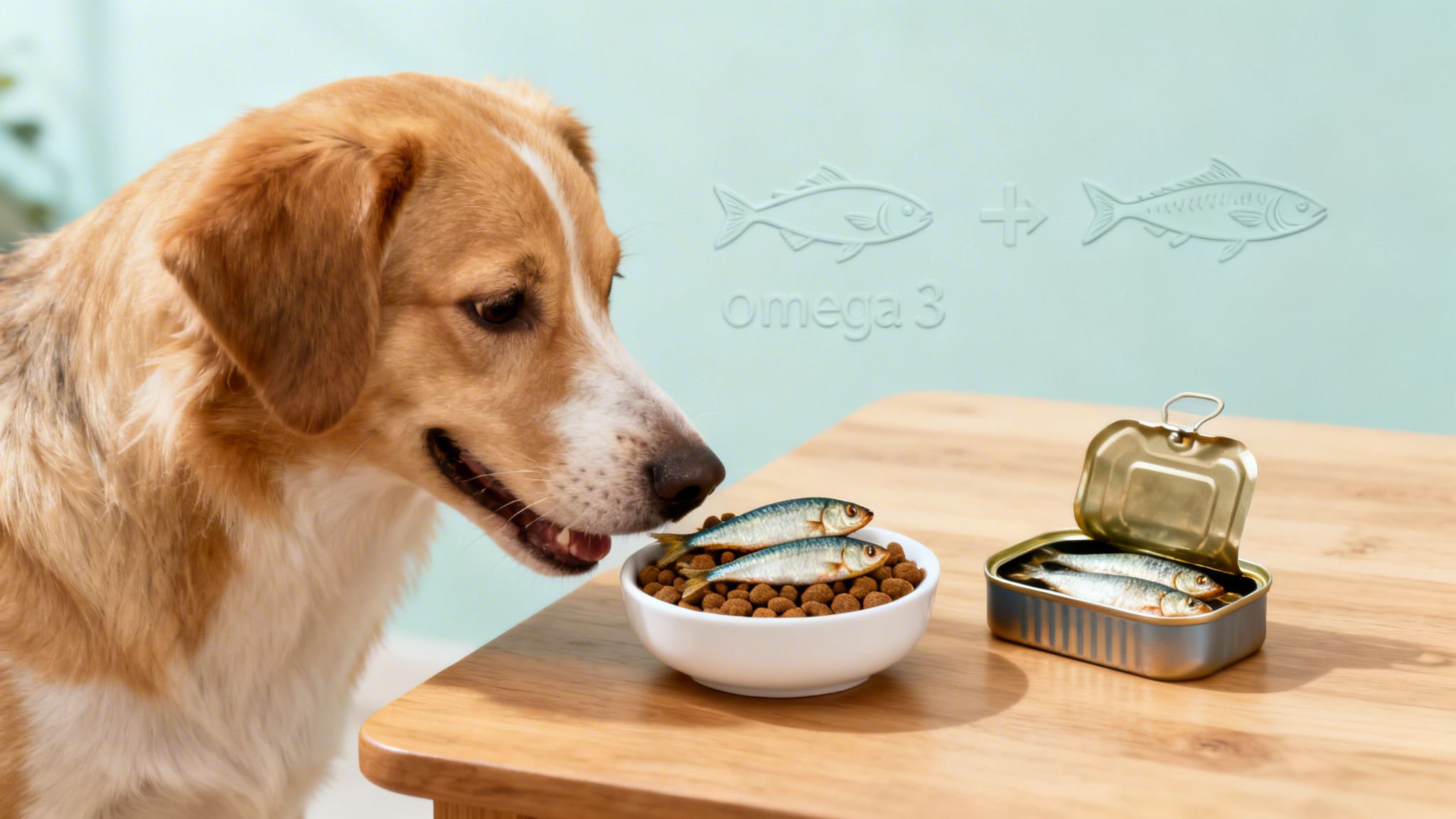
A Guide to Daily Vitamins for Dogs
Discover if daily vitamins for dogs are right for your pet. Our guide covers essential nutrients, how to choose a quality supplement, and safety tips.

Absolutely. Even if you're feeding your dog a "complete and balanced" food, a daily vitamin can be a game-changer. Think of it as nutritional insurance—it's there to fill in any gaps and provide extra support precisely where your dog needs it most based on their age, breed, and how they live their life.
Why Your Dog's Food Might Not Be Enough
You spend time and money picking out the best food for your dog, carefully reading labels and looking for quality ingredients. So, it can be frustrating to hear that even premium kibble might not cover all their nutritional bases. This isn't necessarily a knock on the dog food itself, but a reflection of how it's made and stored.
The trip from the factory to your dog’s bowl is a long one. To make kibble that can sit on a shelf, manufacturers have to use very high heat. Unfortunately, this process can destroy some of the most delicate vitamins and probiotics. On top of that, the nutrients in the bag can start to break down over time, which means the last scoop of food isn't quite as potent as the first. These little nutritional shortfalls can add up and affect your dog's health down the road.
Filling in the Gaps for a Healthier Dog
This is exactly where daily vitamins for dogs step in. A good supplement helps bridge that gap, making sure your dog gets the full range of nutrients they need to truly thrive, not just get by. It’s a simple, proactive way to support their well-being from their bouncy puppy days all the way into their senior years.
This way of thinking is catching on. The global market for pet supplements is expected to hit USD 3.14 billion by next year. This boom is really being driven by pet parents who see their dogs as part of the family—and in the US, over 80% of dog owners feel that way. They're looking for science-backed, human-grade solutions to help their dogs live longer, healthier lives. You can read more about this pet wellness trend on Fortune Business Insights.
Let's take a quick look at some of the common nutrients that might not be at optimal levels in standard dog food.
Common Nutritional Gaps in Standard Dog Diets
Even high-quality commercial dog foods can have small nutritional gaps due to processing and storage. This table highlights a few key nutrients that are often supplemented to support overall health.
A well-rounded daily supplement helps ensure your dog is consistently getting these crucial building blocks for long-term wellness.
More Than Just a Safety Net
A daily vitamin does more than just plug nutritional holes; it offers targeted support that you just can't get from a one-size-fits-all bag of dog food. Every dog is different, and their needs change over time.
For example:
- Active Breeds: A dog who's always running and jumping might need extra glucosamine and chondroitin for their joints.
- Anxious Pups: Some dogs can really benefit from calming ingredients like L-theanine or magnesium to help them relax.
- Senior Dogs: Older dogs often need a boost of antioxidants and nutrients that support brain health as they age.
A well-formulated daily vitamin isn't just about fixing a deficiency—it's about raising your dog's entire health baseline. It gives them the raw materials for a stronger immune system, a happier gut, and better resilience to whatever life throws their way. It's one of the easiest and most powerful habits you can build for their long-term vitality.
The Building Blocks of a Great Dog Vitamin
When you flip over a bottle of dog vitamins, that long list of ingredients can look pretty intimidating. Don't get lost in the scientific names. Let's break down what these ingredients actually do for your dog. A good daily vitamin isn't just one thing; it's more like a team of specialists, each with a crucial role in keeping your dog healthy.
Even the best dog foods can have small but important nutritional gaps, often due to how they're processed and stored. This is where a daily supplement comes in, bridging those gaps to make sure your dog is truly getting everything they need.
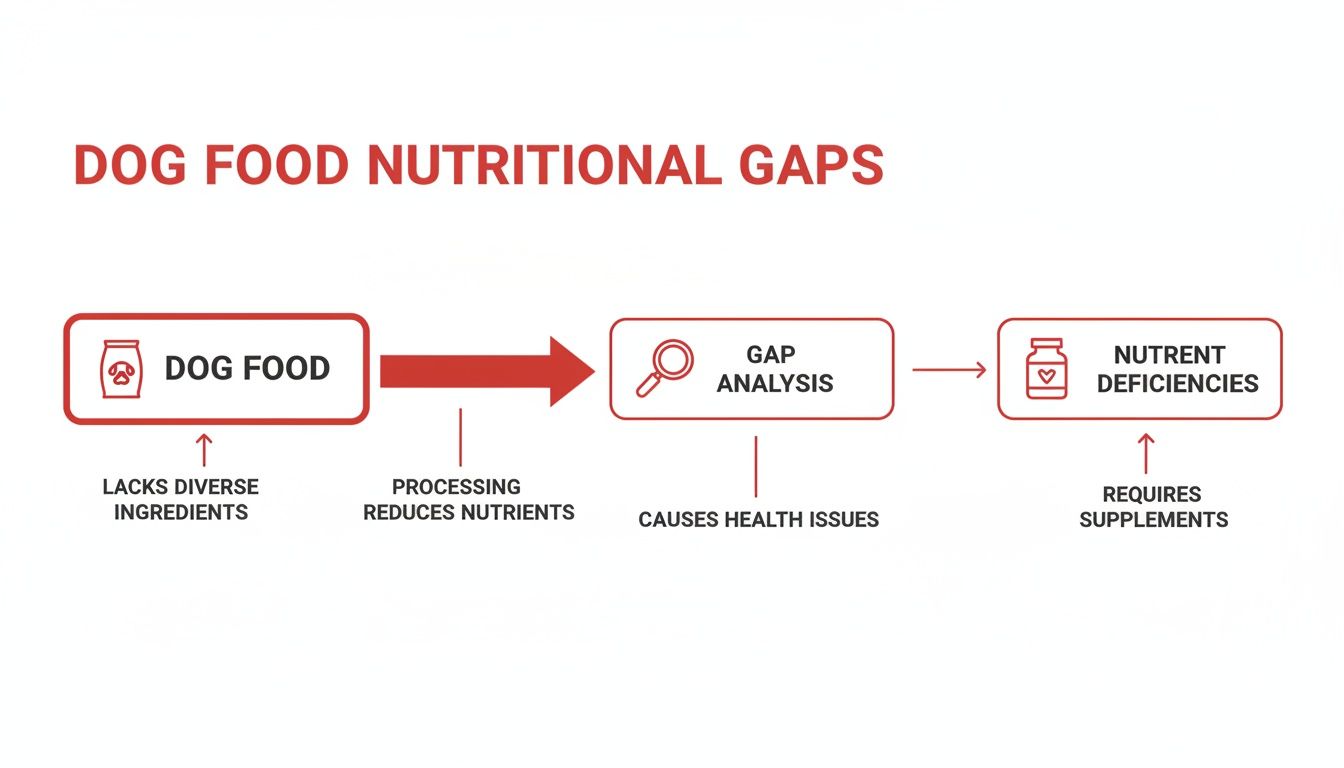
As you can see, a supplement isn't just a "nice-to-have" extra. It's often a direct fix for the nutritional holes found in many modern dog diets. Let's meet the key players you should look for in a top-notch formula.
Nutrients for Energy and Vitality
Think of your dog's body like a car engine. It needs clean, high-quality fuel to run well. That's what B-vitamins do—they are essential for converting food into usable energy. They're involved in everything from brain function to making new red blood cells.
A solid daily vitamin for dogs will always include a full range of B-vitamins, like B1, B6, and B12. They all work together, like a well-oiled machine, to keep your dog's energy levels stable and their nervous system healthy.
The Foundation for Strong Bones and Joints
Skeletal support is absolutely critical, especially for growing puppies, active adults, and aging seniors. A few key nutrients team up to build and maintain a strong frame, keeping your dog moving freely and comfortably for years to come.
- Vitamin D: This is the gatekeeper for calcium. Without enough Vitamin D, your dog's body simply can't absorb the calcium it needs to build and repair bones.
- Calcium and Phosphorus: These two minerals are the literal bricks and mortar of the skeleton. They provide the strength and structure that make up bone tissue.
- Glucosamine: Often added specifically for joint health, this compound is vital for maintaining healthy cartilage—the natural cushion in your dog's joints that allows for smooth, pain-free movement.
This combination is what keeps your dog happily running, jumping, and playing.
Cellular Bodyguards and Gut Gardeners
A truly great supplement goes beyond the basics to work on a microscopic level. It protects your dog's cells from damage and keeps their digestive system humming along.
Antioxidants, particularly Vitamins C and E, are like tiny bodyguards for your dog's cells. They hunt down and neutralize harmful molecules called free radicals that can cause damage and accelerate aging. This cellular protection is a cornerstone of a strong immune system.
At the same time, probiotics act like skilled gardeners for your dog's gut. These friendly bacteria help maintain a healthy balance in the digestive tract, which is absolutely essential for absorbing nutrients properly and supporting a strong immune response. A healthy gut is the foundation of overall wellness.
By combining these different groups of nutrients, a well-formulated daily vitamin provides multi-system support. It’s not just about one benefit; it's about creating a foundation for long-term health, resilience, and vitality in one simple, daily habit.
How to Choose a Safe and Effective Supplement
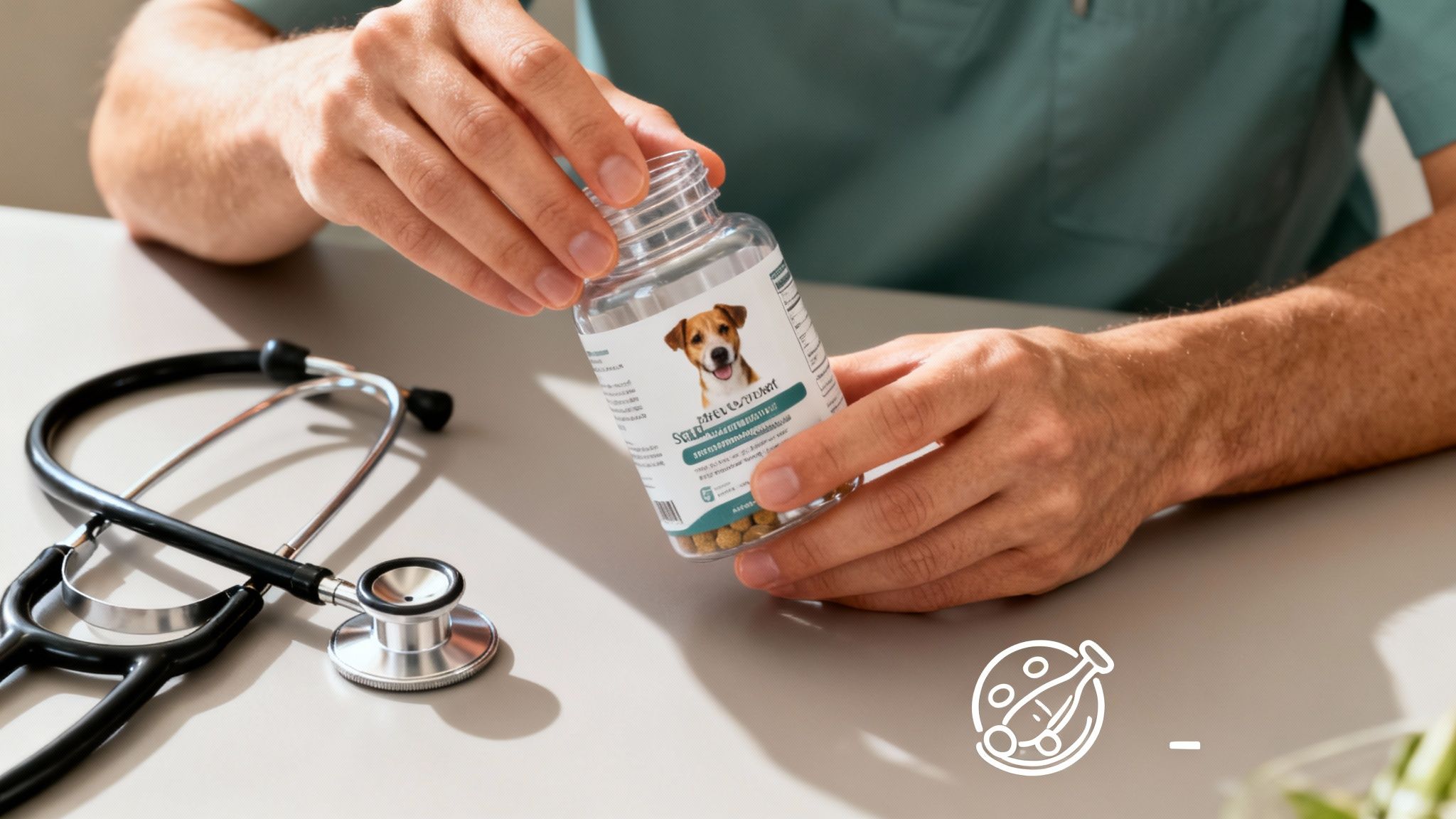
Walking down the pet aisle can feel a bit overwhelming with all the supplement options out there. But a few key pointers can help you cut through the noise and read a label with confidence. The goal is simple: find a product that works and is completely safe for your dog. It's a lot like shopping for your own family—you’re looking for clean ingredients, transparent sourcing, and a formula you can really trust.
The demand for these products is absolutely booming. The vitamins and multivitamins corner of the pet supplement market is projected to hit USD 4.11 billion by 2030. This surge comes from dedicated owners—part of the 66% of North American households with pets—who want to give their dogs an extra edge against issues like poor digestion or the effects of aging. You can discover more insights on this market trend from MarketsandMarkets if you're curious. With so many choices, knowing what to look for is more important than ever.
Decoding the Ingredient List
First things first: flip the bottle over and find the ingredient list. This is where the real story is. It’s usually broken down into two parts that tell you what’s actually doing the work and what’s just holding it all together.
- Active Ingredients: These are the heavy lifters—the vitamins, minerals, and probiotics that deliver the health benefits. The label should clearly state the amount of each one, so you know exactly what dose your dog is getting.
- Inactive Ingredients: These are the supporting cast. They give the chew or tablet its shape, taste, and texture. What you want to see here are natural, minimal additions like sunflower lecithin or natural chicken flavor. Be wary of a long list of artificial colors, chemical preservatives, or fillers like corn and soy that offer zero nutritional value.
As a rule of thumb, a short list of recognizable inactive ingredients is a great sign of a high-quality product.
Hallmarks of a Quality Supplement
Beyond just the ingredients, a few other quality markers can give you peace of mind. These are the details that show a company is serious about safety, transparency, and creating a product that actually works.
Look for the words veterinarian-formulated. This tells you a qualified professional designed the product, ensuring the ingredients are included in amounts that are both safe and effective for a dog's specific needs.
Another key term to watch for is human-grade. This means the ingredients and manufacturing facilities meet the strict standards set for products meant for people, which translates to a higher level of purity and quality control.
Choosing the right supplement means looking past the flashy marketing claims on the front of the bottle. Focus on the facts on the back: a clear list of active ingredients, minimal and natural inactive ingredients, and third-party quality certifications. These details are what truly separate an effective daily vitamin from a glorified, expensive treat. Your dog’s health is worth the extra minute of label-reading.
Matching Vitamins to Your Dog's Life Stage
Think about it—you wouldn't feed a growing toddler the same diet as a teenager or a grandparent. It's the exact same logic with our dogs. Their nutritional needs change dramatically as they grow up, and a one-size-fits-all vitamin just doesn't cut it. To truly give them the right support, the daily vitamins for dogs you choose must match their current age and lifestyle.
Giving a puppy the same supplement as a senior dog with stiff joints would miss the mark entirely. Each life stage has its own unique challenges and demands, and picking the right nutrients can make all the difference in their health and happiness.
The Puppy Years: Fueling Growth
Puppies are like little sponges, soaking up the world while their bodies work overtime building strong bones, a sharp mind, and a tough immune system. This is a period of explosive growth, and they need the right nutritional tools to build everything correctly.
During this critical phase, a few nutrients are absolutely non-negotiable:
- DHA (Docosahexaenoic Acid): This is an omega-3 fatty acid that's basically brain food. It’s crucial for cognitive and eye development, helping your pup learn new commands and explore their surroundings.
- Calcium and Phosphorus: These two minerals are the fundamental building blocks for a strong, healthy skeleton. Getting the right balance ensures their bones develop properly from the start.
- Antioxidants: A puppy’s immune system is still a work in progress. Vitamins C and E are fantastic for helping build up their natural defenses against all the new germs they encounter.
Getting these nutrients right from the beginning lays a solid foundation for a lifetime of good health.
The Adult Years: Maintaining Peak Condition
Once your dog reaches adulthood, the game changes. The focus shifts from rapid-fire growth to maintenance and prevention. They're active, energetic, and putting daily wear and tear on their bodies. The goal now is to keep them in top shape and protect their joints for the long road ahead.
For an adult dog, a daily vitamin should include ingredients like glucosamine and chondroitin. These are lifesavers for joint health, helping to maintain the cartilage that cushions their every run, leap, and jump. Omega-3 fatty acids also continue to be important for keeping their skin healthy and their coat looking shiny and full.
The Golden Years: Supporting Graceful Aging
As dogs head into their senior years, their bodies naturally start to slow down. Much like older people, they can begin to struggle with mobility, cognitive function, and keeping their muscle tone. This is where targeted nutrition becomes more important than ever.
Senior dogs can lose up to 20% of their muscle mass in their later years, which can seriously impact their stability and overall strength. A daily vitamin formulated for seniors can provide the specific support they need to age with comfort and grace.
This understanding is why the pet supplement market is projected to boom to $3.3 billion within the next five years. Senior nutrition is a huge part of this growth, and it's expected to make up 25% of sales very soon. As we all invest more in our pets’ long-term health, natural supplements are becoming the go-to solution. If you're interested in the data, you can read the full research about the pet supplement market.
For senior dogs, look for nutrients like HMB (β-Hydroxy β-Methylbutyrate), which helps preserve muscle mass, and powerful antioxidants to support brain health. By matching their supplement to their life stage, you're giving your best friend the exact support they need, right when they need it most.
Making Vitamins a Daily Habit Your Dog Loves

Starting any new routine with your dog works best when it feels like a fun reward, not a chore. The real secret to making daily vitamins for dogs a success is consistency, and the surest way to get there is by making it a happy moment they actually look forward to.
Think of it less like medicine and more like a special daily treat that builds your bond. When you frame it this way, you turn a simple health habit into a fun ritual. A little bit of your own enthusiasm can make all the difference in getting them excited for their new "superfood" chew.
Getting the Routine Right
To make this new habit stick, you need a simple, repeatable process. Let's start with dosage. Always follow the product’s specific guidelines—check the label for the right amount based on your dog's weight. This ensures they get a safe and effective serving every time.
Timing is also a big piece of the puzzle. Giving the vitamin at the same time each day helps your dog's body absorb the nutrients consistently and cements the routine in their mind.
- Mealtime Magic: The easiest way is to just add the vitamin to their breakfast or dinner. It's almost impossible to forget, and giving it with food can help prevent an upset stomach.
- Training Treat: You could also use the vitamin as a high-value reward during a quick training session. This is a great way to link the supplement with a positive, engaging activity they already love.
Whatever time you land on, stick with it. Consistency is what turns an action into a habit.
The goal is to make vitamin time a moment of positive connection. When your dog sees their daily chew as an exciting treat that only comes from you, it becomes a cherished part of their day instead of something to be avoided.
Introducing a New Supplement
Is your dog a little suspicious of new things? No problem—just start slow. Offer half the recommended dose for the first few days. Let them have a good sniff and get used to the new smell and texture before you expect them to gobble it right up.
For the really picky eaters, you might need a little trick up your sleeve. Try hiding the chew in a small spoonful of peanut butter (just make sure it’s xylitol-free!) or wrapping it in a piece of cheese. That little bit of camouflage can win over even the most stubborn pups.
Got Questions About Daily Vitamins for Your Dog?
It’s totally normal to have questions, even after you’ve done your research. Deciding what’s best for your dog's health is a big deal, and you want to be sure you're getting it right. This is where we clear up some of the most common things we hear from dog parents.
We’ll walk through these questions together, giving you clear, simple answers so you can feel confident you’re making the best choice for your furry family member.
My Dog's Food Says "Complete and Balanced." Why Add a Vitamin?
This is probably the number one question we get, and it’s a smart one. When a dog food is labeled "complete and balanced," it means it meets the minimum nutritional requirements to keep a dog alive. But there’s a huge difference between just surviving and truly thriving.
Think about it this way: the intense heat used to cook kibble often destroys delicate nutrients like vitamins and probiotics long before they ever make it into your dog's bowl. Plus, a one-size-fits-all food formula can't possibly meet the specific needs of your dog, considering their unique age, breed, energy level, and health history.
Think of a daily vitamin as your dog's nutritional insurance policy. It's there to fill in the gaps and provide extra support where they need it most, helping them go from simply "fine" to fantastic.
How Long Does It Take to See Results?
When it comes to supplements, consistency is everything. You might notice some changes pretty quickly, but many of the most important benefits are happening behind the scenes, building a stronger foundation for long-term health.
Here’s a rough idea of what you can expect:
- Happy Tummy: You may see improvements in your dog's digestion, like firmer and more regular poops, within a few weeks as the good bacteria get to work.
- Healthy Skin & Shiny Coat: It usually takes about 4-6 weeks to see a real difference here. That’s how long it takes for new, healthier hair and skin cells to grow.
- Energy & Immunity: A stronger immune system isn’t always obvious—it's more about what you don't see, like fewer sniffles or off days. You might notice a little extra pep in their step after a couple of months.
To really see the full range of benefits, you should plan on giving any new supplement at least 90 days of consistent, daily use.
Can I Just Give My Dog My Own Human Vitamins?
Please don't. The answer here is a firm and absolute no. This is a huge safety issue. What's good for you can be seriously harmful, and even toxic, to your dog.
Our bodies and our dogs' bodies are completely different. Human supplements are made for human-sized needs, which can easily cause a dangerous overdose of certain vitamins (like Vitamin D) in your dog. Worse yet, many human products contain ingredients like xylitol, an artificial sweetener that is extremely poisonous to dogs and can lead to a life-threatening emergency. Always, always stick to supplements formulated specifically for dogs.
Should I Watch Out For Any Side Effects?
When given as directed, high-quality daily vitamins for dogs are very safe. They’re designed with the right ingredients at the right levels for a dog’s system. That said, just like when we start a new health routine, a dog's tummy can sometimes take a little time to get used to something new.
Once in a while, you might notice a bit of mild, temporary digestive upset, like a slightly looser stool. This usually just means their body is adjusting. A great way to avoid this is to start with half the recommended dose for the first week and slowly work your way up to the full amount. If you see any issues that don't clear up, it's always best to stop and have a quick chat with your vet.

Karolis is the Founder of FORMA, a pet wellness brand focused on longevity and daily nutrition for dogs. Writes about supplements, canine health, and helping pets live longer, healthier lives
Join thousands of pet parents getting science-backed health insights and natural care advice