Dog Food Ingredients to Avoid for a Healthier Pet
Discover the top dog food ingredients to avoid and learn how to read labels. Find safe, nutritious options to protect your pet's long-term health.

Ever find yourself staring at a wall of dog food bags, completely overwhelmed? You’re not alone. When you’re trying to do the right thing for your dog, it’s frustrating to see labels packed with chemical-sounding names and mysterious ingredients.
The truth is, many common dog foods contain ingredients you'd probably want to skip. We're talking about artificial preservatives like BHA, BHT, and ethoxyquin, vague terms like "meat by-products," and cheap fillers such as corn, wheat, and soy. These are often used to keep costs down, but they can be linked to everything from allergies and digestive upset to more serious long-term health issues.
What's Really in Your Dog's Food Bowl
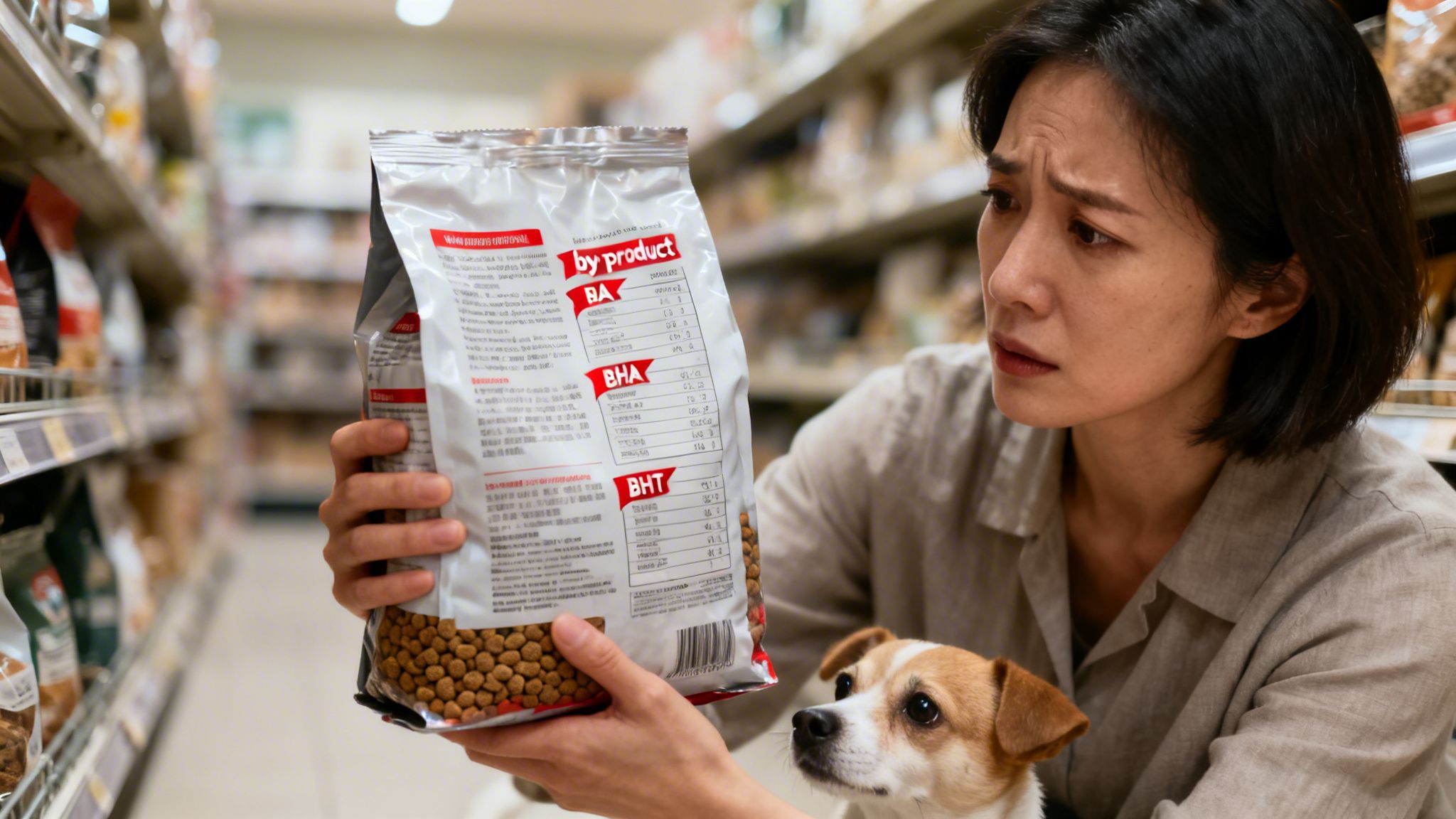
We've all been there. You stand in the pet food aisle, determined to find the best for your furry friend. You pick up a bag with a picture of a happy, healthy dog, promising "premium nutrition." Then you flip it over and face an ingredient list that reads like a science experiment.
This is where the disconnect happens. You want what’s best for your dog, but many brands are more focused on their bottom line. They use low-cost fillers and questionable additives that might technically meet the bare-minimum nutritional guidelines but do little to help your dog thrive.
The Hidden Cost of Cheap Ingredients
At its heart, it's an economic issue. Real, whole-food ingredients like deboned chicken or sweet potatoes cost more than heavily processed alternatives. To keep their prices low and competitive, manufacturers often lean on less-than-ideal components.
Common culprits include:
- Low-Quality Fillers: Things like corn gluten meal or wheat middlings are cheap ways to add bulk to kibble. They offer very little nutritional value and are frequent triggers for allergies.
- Vague Protein Sources: Seeing terms like "meat and bone meal" or "animal digest" on a label is a major red flag. These ingredients come from unspecified animal sources, so there’s no way to know the quality—or even what kind of animal it is.
- Artificial Additives: Chemical preservatives, artificial colors, and synthetic flavors are added to make the food last longer and look more appealing (to you, not your dog). They provide zero health benefits and can cause sensitivities.
Think of it this way: you could survive on a diet of cheap fast food and processed snacks, but you certainly wouldn't feel your best. The same goes for our dogs. A steady diet of fillers and artificial junk can lead to a host of health problems that build up over time.
This guide is here to help you cut through the marketing noise. We'll show you how to read a label like a pro and become your dog's best health advocate. By learning which harmful dog food ingredients to avoid, you can make choices that genuinely nourish your pet for a long, happy, and vibrant life. It all starts with knowing what to look for—and what to leave on the shelf.
How to Decode a Dog Food Label
Think of the dog food label as the "recipe" for your dog's meals. Just like when you read a food label for yourself, the ingredients are listed by weight, with the heaviest ones at the top. This is a big deal, because it means the first three to five ingredients are what make up the bulk of the food.
Learning to read this list is the single best way to know what you’re really putting in your dog’s bowl. It helps you see past the pretty pictures and fancy marketing on the front of the bag and get to the truth of what’s inside. Let’s break down how to read it like a pro.
Start with the First Five Ingredients
The top of the ingredient list tells you almost everything you need to know. What you’re looking for is a high-quality, whole-food protein source right at the top. You want to see specific, named meats—not vague, mysterious descriptions.
For example, "deboned chicken," "lamb," or "beef" are fantastic first ingredients. You know exactly what kind of animal the protein came from. That kind of specificity is a great sign that the company is transparent about what it’s putting in the bag.
On the flip side, generic terms are a major red flag. If you see phrases like "meat and bone meal" or "animal by-product meal," it’s time to be skeptical. These are rendered products from unknown animal sources, which can include things you wouldn't want your dog eating. If you see these in the top five, it's a clear signal to put that bag back on the shelf.
Watch for Ingredient Splitting
"Ingredient splitting" is a sneaky trick some manufacturers use to make a cheap ingredient seem less prominent. They’ll take one main ingredient—like corn—and list it in several different forms to push them all further down the list.
Here’s how it works. A food might contain a massive amount of corn, but the label will list it as three separate items:
- Ground corn
- Corn gluten meal
- Corn flour
If you added up the weight of all three, corn would probably be the number one ingredient in the food, outranking the actual protein. But by splitting it up, the meat gets to be listed first, making the food seem much higher in quality than it actually is. Always scan the entire list for different versions of the same grain or filler.
A quick note on AAFCO statements: Seeing "formulated to meet the nutritional levels established by the AAFCO Dog Food Nutrient Profiles" on the bag is important, but it doesn't guarantee quality. It just means the food meets the bare minimum nutritional requirements. It says nothing about how digestible or high-quality the ingredients are that get it there.
Your Label Reading Checklist
Next time you’re in the pet food aisle, run through this quick mental checklist. It will help you spot the good, the bad, and the ugly on any ingredient panel in seconds.
- Is the First Ingredient a Named Meat? Look for "chicken," "beef," or "salmon," not just "meat meal."
- Are There Whole Foods? Can you spot ingredients you recognize, like sweet potatoes, carrots, blueberries, or brown rice?
- Are There Multiple Fillers? Keep an eye out for ingredient splitting with corn, wheat, or soy.
- Any Vague By-Products? Avoid mysterious ingredients like "animal fat" (from what animal?) or "poultry by-products."
- Are Artificial Additives Present? Scan for chemical preservatives like BHA, BHT, or ethoxyquin, and artificial colors like Red 40 or Yellow 5.
By using these simple checks, you can cut through the marketing fluff and make a decision based on the actual recipe. It’s the best way to ensure your dog is getting the kind of nutrition they truly deserve.
The Top 10 Dog Food Ingredients to Avoid
Alright, now that you've got the hang of reading a dog food label, let's get into the nitty-gritty. What ingredients should send you running for the hills? Some are just cheap fillers, but others can be downright bad for your dog's health over the long haul.
This list breaks down the most common red flags you'll find in commercial dog foods. Once you understand why they're used and the risks they carry, you'll be able to make much smarter choices for your best friend.
Artificial Preservatives: BHA, BHT, and Ethoxyquin
Chemicals like Butylated Hydroxyanisole (BHA), Butylated Hydroxytoluene (BHT), and ethoxyquin are added to dog food for one simple reason: to extend its shelf life. They stop the fats in the kibble from going rancid, and they’re cheap and effective. That's why they’re so common.
The catch? Their safety is a hot-button issue. BHA and BHT have been flagged for potential health risks in a number of studies. And ethoxyquin? It’s also used as a pesticide and a rubber hardener, and it's not even allowed for direct use in the food we eat. Even in small amounts, the thought of feeding these to our dogs day after day is a serious concern.
Instead, look for foods that use natural preservatives. Things like tocopherols (which is just vitamin E), vitamin C, or even rosemary extract do the job safely and can even offer a few health perks.
Artificial Colors, Dyes, and Flavors
Ever wonder why some kibble comes in a rainbow of reds, greens, and yellows? It’s for you, not your dog. Artificial colors like Red 40, Yellow 5, and Blue 2 are purely cosmetic, designed to make the food look more appealing to the person buying it.
Your dog doesn't care about the color; their world is all about smell and taste. The problem is that these synthetic dyes have been linked to allergic reactions and even behavioral problems in some dogs. Artificial flavors are another trick, often used to mask low-quality ingredients and make them taste better than they are. A food made with good stuff to begin with doesn't need fake flavor.
Meat Meal and Meat By-Products
This is a big one. Not all "meat" on a label is what you think it is. Vague terms like "meat meal" or "meat and bone meal" are major red flags. If the label doesn't specify the animal—like "chicken meal" or "beef meal"—you have no clue what you're actually getting. It could be a rendered mix from various sources, including animals that were diseased or died before ever making it to slaughter.
"By-products" is another tricky term. These are the leftovers after the prime cuts of meat have been removed. Now, some by-products like organ meats can be incredibly nutritious. But the term can also cover less-than-appetizing parts like beaks, feathers, and feet. Your best bet is to always stick with a clearly named meat source.
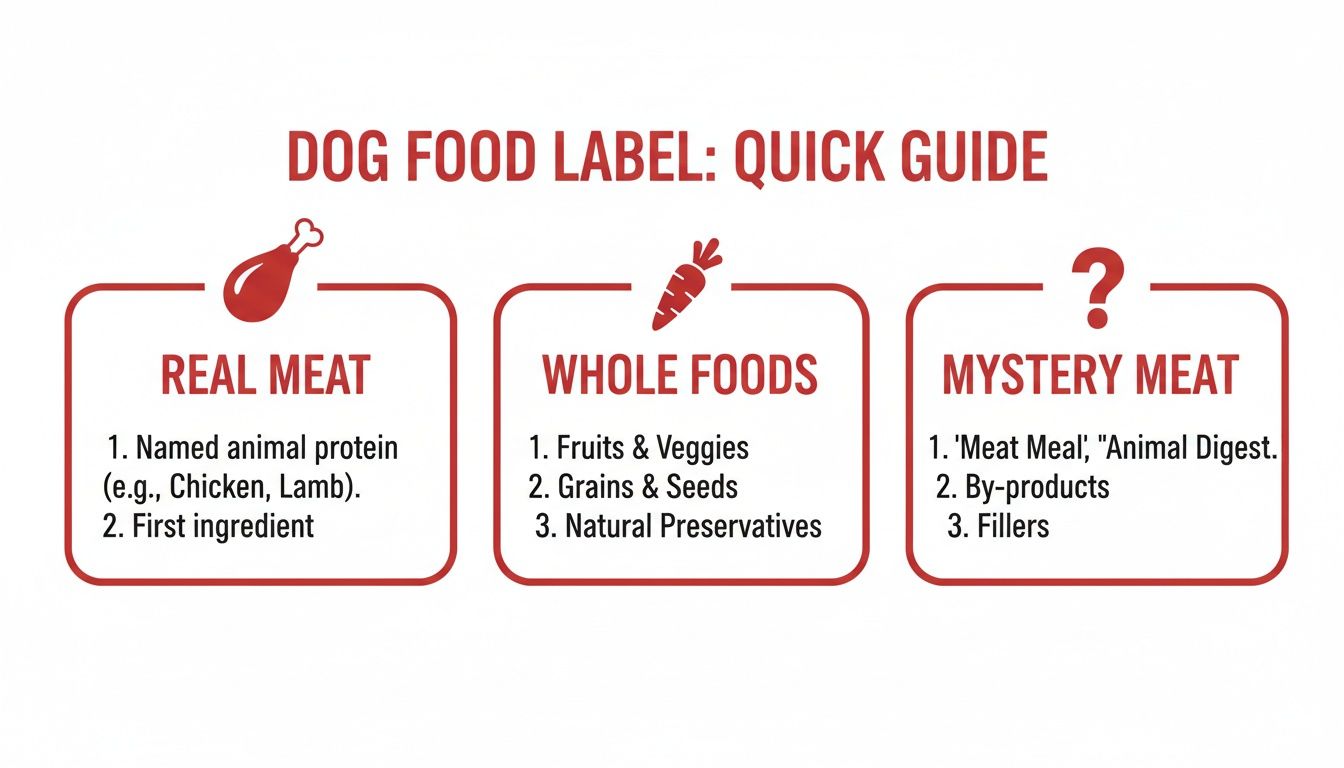
It really is that simple: focus on real, named meats and whole foods, and steer clear of the mystery ingredients.
Corn, Wheat, and Soy
These three are the trifecta of common fillers and allergens in dog food. Why are they so popular with manufacturers? They're cheap, and they add bulk. While not every grain is bad for dogs, corn, wheat, and soy are often hard for them to digest and don't offer much in the way of quality nutrition.
Over time, many dogs develop sensitivities to these ingredients, which can show up as itchy skin, relentless ear infections, or an upset stomach. Wheat gluten is a frequent culprit. If you see these grains listed at the top of the ingredient list, it's a good sign the food is prioritizing a low price tag over your dog's nutrition.
Red Flag Ingredient Cheat Sheet
Here's a quick cheat sheet to help you remember the worst offenders when you're shopping.
Keep this list in mind, and you'll be well on your way to picking a much better bag of food for your pup.
Propylene Glycol
This one sounds like something from a science lab, and it pretty much is. Propylene Glycol is a synthetic compound used in some semi-moist dog foods and chewy treats to keep them soft and prevent them from drying out.
It also happens to be an ingredient in some types of antifreeze (though it’s a less toxic version than its cousin, ethylene glycol). While the FDA has labeled it as "generally recognized as safe" for dogs, it's completely banned from cat food because it's known to cause a type of anemia in felines. The fact that it's proven to be harmful to another common pet should be enough to make any dog owner think twice.
Carrageenan
Carrageenan is a thickener and stabilizer that comes from red seaweed. You'll often find it in wet or canned dog foods, where it's used to create that smooth, jelly-like texture.
While it comes from a natural source, carrageenan is surrounded by controversy. Some studies suggest it can trigger gastrointestinal inflammation and lead to digestive problems down the road. The science is still being debated, but many holistic vets and nutrition experts advise erring on the side of caution and avoiding it, especially if your dog has a sensitive stomach.
Choosing a diet free from these questionable ingredients sets a strong foundation for your dog’s well-being. Adding a daily supplement like FORMA can further support their health by providing human-grade, targeted nutrients for gut health, immunity, calmness, and longevity, ensuring they get the absolute best every single day.
Unseen Dangers: Contaminants and Diet Fads
Sometimes, the most serious threats to your dog's health aren't even on the ingredient list. Dangerous contaminants can sneak into your dog's food during production, and popular diet trends can carry their own set of surprising risks. Let's break down what you need to know to see past the marketing and make a truly safe choice.
Hidden Toxins in Your Dog's Bowl
One of the scariest hidden dangers is a group of toxins called mycotoxins. Think of these as poisons produced by specific types of mold. This mold loves to grow on grains like corn, wheat, and soy, especially when these ingredients are low-quality or stored improperly.
It’s like the mold that can ruin a loaf of bread, but far more sinister. When a dog eats food tainted with mycotoxins—even in small doses over a long period—the results can be devastating. These toxins are particularly hard on the liver and can lead to serious illness, liver failure, or worse. This isn't just a hypothetical concern; major pet food recalls have been triggered by mycotoxin contamination, proving it's a real-world risk.
The Grain-Free Controversy
For years, "grain-free" was the gold standard in premium dog food. It was sold as a healthier, more "natural" option, and countless owners made the switch to avoid common fillers and potential allergens like corn and wheat. Recently, however, this trend has come under a cloud of suspicion for its potential connection to a severe heart condition.
The issue revolves around canine dilated cardiomyopathy (DCM), a disease that weakens and enlarges the heart muscle, preventing it from pumping blood properly. While DCM is typically seen in specific breeds with a genetic link, vets started seeing an alarming number of cases in breeds that shouldn't have been at risk.
What did these dogs have in common? A grain-free diet. But it's not the lack of grains that seems to be the problem. The real focus is on what companies started using to replace them.
An FDA investigation update in July 2018 dropped a bombshell: over 90% of the diets reported in DCM cases were grain-free. Even more telling, 93% of those diets listed peas, lentils, or potatoes as main ingredients, drawing a strong line between these popular grain substitutes and the rise in this heart disease.
These ingredients, often called pulses or legumes, are cheap, high-protein replacements for traditional grains. The leading theory is that loading a dog's diet with these ingredients might block the absorption of taurine, an essential amino acid that is absolutely critical for a healthy heart. This discovery has forced many owners and veterinarians to rethink what "healthy" really means.
Getting to the Root of the Problem
This doesn't mean every grain-free food is bad or that all grains are good. The real lesson here is that formulation is everything. When a manufacturer swaps out grains for massive amounts of peas and lentils simply to boost the protein content on the label while cutting costs, it can throw a dog's entire nutritional balance out of whack.
Beyond just the main ingredients, you also have to be mindful of bacterial contaminants like Listeria monocytogenes. You can learn more about what causes Listeria in food and why it's a serious risk.
Ultimately, the best approach is to ignore the fads and focus on the science. A well-made food that includes healthy, whole grains like brown rice or oatmeal is often a far safer and more nourishing choice than a poorly designed grain-free formula packed with legumes. Choose a food based on solid nutritional principles, not just the buzzword on the front of the bag.
Choosing Safe and Healthy Alternatives

Okay, so we've covered the red flags and the ingredients you want to steer clear of. Now for the good part: what should you be looking for? Building a better bowl for your dog is all about choosing high-quality ingredients that serve a real purpose in their health.
It all comes down to a simple philosophy: feed them real food. A truly great dog food is built on a foundation of recognizable, nutrient-packed ingredients, not a science experiment of fillers and synthetic additives. By focusing on quality, you can give your dog a diet that genuinely nourishes them from the inside out.
Start with a High-Quality Protein
The most important thing to look for in any dog food is the protein source. It’s non-negotiable. Check the ingredient list, and the very first thing you see should be a named, whole-meat protein. Think "deboned chicken," "lamb," "beef," or "salmon" right at the top.
That specificity is your best friend. It tells you exactly what kind of animal the protein came from, unlike vague terms like "meat meal" that could be anything. A solid protein foundation is the key to everything—muscle development, energy levels, a shiny coat, and a robust immune system. As you explore sustainable and nutrient-rich alternatives, you might also look into novel options like Black Soldier Fly Larvae for Animal Feed.
Embrace Wholesome Carbohydrates and Produce
After you've found a good protein, scan the rest of the list for beneficial carbs and produce. Not all carbohydrates are bad news. While cheap fillers like corn and wheat offer very little nutritional value, healthy whole grains and vegetables provide essential fiber, vitamins, and minerals.
Here are some of the powerhouse ingredients you want to see:
- Healthy Grains: Brown rice, oatmeal, and quinoa are great choices. They're easy on the digestive system and provide a slow, steady release of energy.
- Antioxidant-Rich Vegetables: Sweet potatoes, carrots, and peas are fantastic for delivering vital nutrients like beta-carotene that support overall health.
- Beneficial Fruits: Little additions like blueberries and cranberries are packed with antioxidants that help fight cellular damage and even support urinary tract health.
These whole-food ingredients create a well-rounded diet that does more than just provide calories. They deliver the crucial micronutrients your dog needs to truly thrive.
What Does Human-Grade Really Mean?
You’ll see the term "human-grade" pop up on a lot of premium dog foods, and it's more than just a slick marketing phrase. It’s a legal standard. It means every single ingredient in that bag is considered safe for people to eat. This is a world away from "feed-grade" ingredients, which often come from questionable sources that aren't allowed in the human food chain. Choosing human-grade is one of the simplest ways to guarantee a higher level of safety and quality.
Filling the Gaps with Smart Supplementation
Even with the absolute best diet, nutritional gaps can happen. The way food is processed can sometimes reduce its nutrient content, and some dogs just need a little extra support due to their age, activity level, or a specific health issue. Think of a high-quality daily supplement as your nutritional insurance policy.
A premium supplement like FORMA is designed to complement a healthy diet by providing targeted, science-backed support. Giving your dog a superfood chew made with clean, human-grade ingredients helps fortify their well-being where it counts. It’s a simple daily habit that supports their gut health, strengthens immunity, promotes a sense of calm, and builds a strong foundation for a long, happy life. It's that extra proactive step to ensure your best friend is getting everything they need to feel their absolute best.
Making the Switch to a Better Diet
Now that you know which dog food ingredients to steer clear of, it’s time for the most important part: making the switch to a better bowl for good. It’s tempting to just toss the old stuff and start fresh, but a sudden change can really shock your dog’s digestive system, leading to upset stomachs and messy accidents.
The secret is to go slow and steady. Think of your dog’s gut as a tiny, finely-tuned ecosystem. A brand-new food is a big change for the good bacteria living there, and they need time to adjust. By gradually introducing the new food, you give their system a chance to adapt, making the whole process much smoother for everyone involved.
Your Week-Long Transition Plan
Here’s a simple, vet-approved schedule for a seven-day switch. The idea is to slowly increase the new food while phasing out the old.
- Days 1-2: Start with a mix of 75% old food and just 25% new food.
- Days 3-4: Move to an even 50/50 split of old and new.
- Days 5-6: Now, tip the scales to 75% new food and 25% old food.
- Day 7: You've made it! Go ahead and serve 100% of the new, healthier food.
Pay close attention to your dog's stool and overall energy during this week. If you spot any signs of an upset tummy that last more than a day, just slow the transition down a bit.
Your Veterinarian Is Your Greatest Ally
Before you make any big dietary changes, it's always smart to have a quick chat with your vet. They know your dog's specific health needs and can offer personalized advice, which is especially important if your pup has known allergies or a sensitive stomach.
Being an advocate for your dog's health is one of the best things you can do as a pet parent. You’re now equipped to read labels like a pro, spot the red flags, and confidently choose a better diet. By working with your vet and supporting their nutrition, you’re paving the way for many more happy, healthy years together.
Got Questions? We've Got Answers.
Stepping into the world of dog nutrition can feel overwhelming. You start learning the ropes, but new questions always seem to pop up. Let's clear up some of the most common ones we hear from thoughtful dog owners just like you.
Are Grains Actually Bad for Dogs?
This is probably one of the biggest myths out there. The truth is, it’s not about all grains; it’s about the quality and type of grains. The real troublemakers are the cheap, low-value fillers like corn, wheat, and soy that many brands use to cut costs. These are often tough for dogs to digest and are notorious for triggering food sensitivities.
But that doesn't mean all grains are off the table! Healthy, whole grains can be a wonderful part of a balanced diet.
- Brown Rice: A fantastic source of easy-to-digest carbs and healthy fiber.
- Oatmeal: Super gentle on the tummy and packed with beneficial soluble fiber.
- Quinoa: A powerhouse that's technically a seed, offering a complete protein with all the essential amino acids.
When chosen carefully, high-quality whole grains provide valuable nutrients and steady energy. It’s all about swapping out the heavily processed junk for the good stuff.
What Does "Human-Grade" Really Mean?
When you see "human-grade" on a label, it's not just a marketing buzzword. It's an official standard confirming that every single ingredient in that bag is legally considered safe for people to eat. This is a massive step up in quality and safety from the typical "feed-grade" standard used for most pet foods.
Why does this matter? Well, feed-grade ingredients are allowed to contain things you'd never want on your own plate, like materials from diseased animals. Choosing human-grade gives you peace of mind that your dog's food meets the same safety standards as your own.
How Can I Tell if My Dog Has a Food Allergy?
This is a tough one because the signs can be subtle and often look like other health problems. The key is to watch for persistent issues that just don't seem to go away.
Keep an eye out for these common red flags:
- Constant itchy skin, unexplained rashes, or painful hot spots
- Ear infections that keep coming back
- Chewing or licking their paws obsessively
- Ongoing digestive problems, like chronic gas or loose stools
If any of these sound familiar, it’s time for a chat with your vet. They can help you figure out what’s going on and might recommend an elimination diet to nail down the specific ingredient causing the trouble.

Karolis is the Founder of FORMA, a pet wellness brand focused on longevity and daily nutrition for dogs. Writes about supplements, canine health, and helping pets live longer, healthier lives
Join thousands of pet parents getting science-backed health insights and natural care advice