Unlocking the Secrets to Dog Longevity
Discover the science behind dog longevity and learn practical, vet-approved strategies in diet, exercise, and care to extend your canine's healthy years.

A dog's longevity really boils down to two things: their genetics and their lifestyle. While their breed and size give them a starting point, it's the daily choices you make that can truly make a difference. Things like diet, exercise, and proactive vet care don't just add years to their life; they add life to their years.
That’s where the real goal is—extending their healthspan, those precious years they spend happy, active, and feeling their best.
What Really Determines a Dog's Lifespan
Ever wondered why a neighbor's tiny terrier lived to be 18, while a friend's gentle giant started slowing down at 8? It’s not just luck. It's a fascinating mix of the genetic hand they were dealt and the nurturing environment you provide.
Think of it like this: your dog's genetics are the blueprint for a classic car. The blueprint determines its potential—whether it's a zippy sports car or a sturdy truck. But it's your daily care—the premium fuel, regular maintenance, and how you drive it—that keeps it running beautifully for decades.
Grasping this balance is the first step. It helps shift your focus from simply counting the years to making every one of those years count.
Lifespan vs. Healthspan: A Key Distinction
These two terms sound similar, but they mean very different things for our dogs. It’s a crucial distinction.
- Lifespan is pretty straightforward: it’s the total number of years your dog lives.
- Healthspan is the time they spend in good health—vibrant, playful, and free from the chronic diseases that can plague their later years.
Our true goal shouldn't just be a longer life, but a longer period of joyful, comfortable living. The good news is that when you focus on improving their healthspan, you naturally support a longer lifespan, too.
The Role of Genetics and Breed
You can't talk about a dog's lifespan without talking about genetics. It's a huge piece of the puzzle. Size, in particular, is one of the biggest predictors we have. It’s a well-documented scientific fact that smaller breeds tend to live longer than their larger friends.
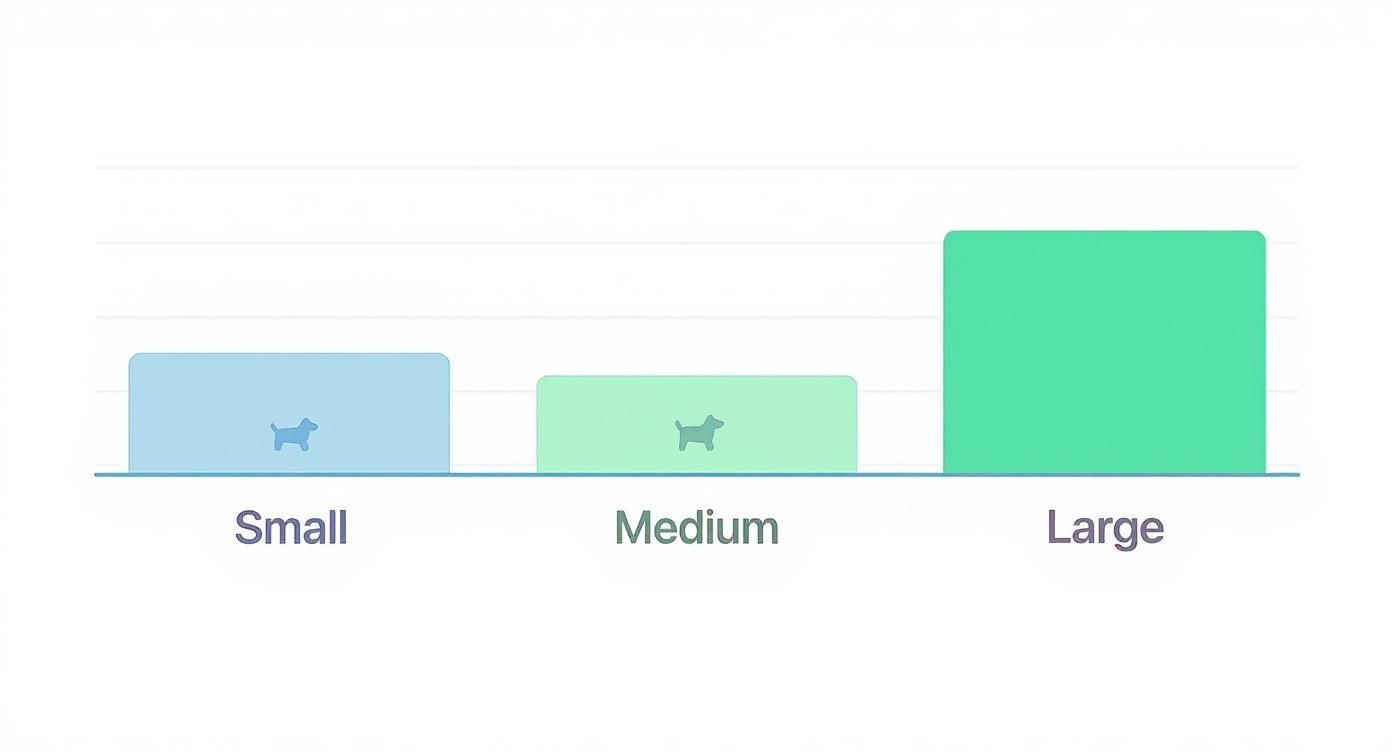
As you can see, the trend is pretty clear: the smaller the dog, the longer they tend to stick around.
Here's a quick look at how size generally correlates with life expectancy.
Average Dog Lifespan by Size
Of course, these are just averages. Plenty of large dogs live well into their teens with the right care.
But it’s not just about overall size. Other genetic factors, like the shape of their snout, also play a part. A massive UK study that looked at over 580,000 dogs found that small, long-nosed female dogs lived the longest, with a median lifespan of 13.3 years.
On the flip side, dogs with flat faces (brachycephalic breeds) like English Bulldogs not only lived shorter lives but also had a 40% higher risk of dying young compared to dogs with medium-length noses. That same study also confirmed that, on average, female dogs live a bit longer than males. You can dig into the specifics and read the full research about these dog lifespan findings.
The takeaway is clear: While you can't change your dog's DNA, understanding their genetic predispositions is incredibly powerful. It helps you and your vet anticipate potential health issues, letting you create a proactive care plan from day one. This knowledge gives you a real head start.
How Your Dog's Breed and Size Play a Role
As a dog owner, your daily choices are the single most powerful tool you have for giving your pup a long, healthy life. But we can't ignore the genetic cards they were dealt from day one. Your dog’s breed and, especially, their size are the starting point for their potential lifespan.
Knowing this isn’t about feeling helpless—it's about becoming a smarter, more proactive partner in their health.
It's one of the most consistent observations in the dog world: smaller dogs almost always live longer than their larger counterparts. A little Chihuahua might be zipping around for 15-17 years, while a magnificent Great Dane's time is often closer to 8-10 years. This isn't just a quirky fact; there's real biology at play here.
The biggest reason for this gap comes down to one thing: growth speed. Large and giant breed puppies grow at an astonishing rate, transforming from a tiny fluffball into a full-sized dog in just 18 to 24 months. This biological sprint puts a tremendous amount of stress on their bodies.
The Science Behind the Size-Longevity Gap
I like to use a construction analogy. Imagine you're building two houses. One is a cozy cottage, built carefully and methodically over a full year. The other is a huge mansion, thrown up in that same short timeframe. The mansion might look grand, but the rushed construction likely means more stress on its framework and a greater chance of problems later on.
It’s a similar story inside a large dog's body. The rapid-fire cell division needed to fuel that explosive growth can unfortunately increase the odds of abnormal cells developing, which is why we see higher cancer rates in many large breeds. On top of that, their sheer size puts a lifetime of strain on their hearts, joints, and other systems, essentially speeding up the aging process.
The hard truth is that it's a biological trade-off. The bigger the dog, the faster their body "lives" at a cellular level. This is a huge part of why their time with us can feel so unfairly brief.
Flat-Faced Breeds and Their Unique Challenges
Beyond just big versus small, a dog’s specific physical traits can have a huge impact. One of the most significant factors is their head shape, especially for brachycephalic, or flat-faced, breeds. That adorable smooshed-in face, as cute as it is, comes with a set of built-in health hurdles that can sadly shorten their lives.
These pups often deal with:
- Breathing Issues: Their short snouts mean compressed airways. This makes breathing a constant effort, puts a heavy load on their heart, and makes them dangerously susceptible to overheating.
- Dental Problems: Their jaws are too small for their teeth, leading to severe overcrowding and a much higher risk of painful dental disease.
- Skin Infections: Those charming facial folds are perfect breeding grounds for bacteria and yeast, often causing chronic and uncomfortable skin infections.
This isn't just anecdotal. A major study from the UK's Royal Veterinary College looked at over 30,000 dogs and laid the facts bare. While the average life expectancy across all breeds was 11.2 years, some flat-faced breeds fell far short. French Bulldogs had a median lifespan of only 4.5 years, with English Bulldogs at 7.4 years and Pugs at 7.7 years. For comparison, the tough little Jack Russell Terrier came out on top with a life expectancy of 12.7 years. You can learn more about the RVC's dog life expectancy research if you'd like to see the data for yourself.
The point of all this isn't to be a downer. It’s to be prepared. If you love a Great Dane, you know to start thinking about joint support from puppyhood. If you have a Frenchie, you become hyper-aware of their breathing, keep them lean, and stay on top of their dental care. This knowledge gives you the power to work with your vet on a wellness plan that tackles your dog's specific genetic risks head-on, giving them the very best shot at a long, happy, and comfortable life with you.
Your Game Plan for a Longer, Healthier Life

While we can't rewind the clock on their genetics, we have an incredible amount of influence over the day-to-day factors that define their health and happiness. Think of this as your playbook for maximizing those good years, focusing on the five pillars of care that really move the needle on dog longevity.
These aren't just chores on a to-do list; they're daily investments in your best friend's future. Each one reinforces the others, creating a powerful foundation for a vibrant, long life. Let's get into the practical steps you can start taking today.
Master Their Nutrition and Weight
What goes into your dog’s bowl is, without a doubt, the single most important factor you control. It’s the fuel for their entire body. We're not just talking about filling their belly, but providing the precise building blocks their cells need to repair, rebuild, and thrive.
Keeping them at a lean, healthy weight is just as critical. Even a few extra pounds put a huge strain on their joints, heart, and internal organs, and that can literally shorten their life. In fact, some of the most compelling research shows that lean dogs can live up to two years longer than their overweight littermates.
"A landmark 14-year study on Labrador Retrievers found that dogs fed 25% fewer calories than their littermates lived a median of 1.8 years longer and showed a significant delay in the onset of chronic diseases like osteoarthritis."
That’s a powerful discovery. It tells us that simply managing portion sizes is one of the most direct ways we can give our dogs more healthy time with us.
Keep Their Body and Mind Active
Exercise is so much more than just a way to burn off steam. It's essential maintenance for their entire system, keeping their muscles strong, joints mobile, and heart in great shape.
But a healthy dog isn't just a physically fit dog—they need a sharp mind, too. Mental stimulation is crucial for their well-being. A bored dog is often a stressed dog, which can lead to behavioral problems. Keeping their brain engaged, on the other hand, helps keep their cognitive functions sharp as they get older.
It doesn't have to be complicated. Here are a few easy ways to enrich their day:
- Puzzle Toys: These make your dog work for their food, turning a simple snack into a fun brain game.
- Scent Work: Hide a few smelly treats around the room or yard and let them use their incredible nose to find them. It's an incredibly satisfying instinct-driven activity for them.
- Learn New Tricks: You really can teach an old dog new tricks! Working on new commands, no matter how simple, builds new neural pathways and strengthens your bond.
A little bit of physical activity mixed with a little bit of brain work is the perfect recipe for a happy, healthy dog.
Prioritize Proactive Dental Care
It’s so easy to forget about what’s going on inside our dog’s mouth, but their dental health has a direct line to their overall longevity. When teeth are neglected, it almost always leads to periodontal disease, which is a chronic, painful infection of the gums.
This isn’t just a cosmetic issue. The bacteria festering in those infected gums can easily slip into the bloodstream. From there, they can travel to vital organs like the heart, kidneys, and liver, causing low-grade, systemic inflammation and serious damage over time.
Regular dental care isn't about fresh breath; it's about protecting their entire body from the inside out. Simple habits like daily brushing, offering safe dental chews, and scheduling professional cleanings with your vet can prevent a world of hurt down the road.
Cultivate a Calm Environment
We all know what chronic stress does to our own health, and it's no different for our dogs. A dog who is constantly anxious or fearful has elevated levels of cortisol (the stress hormone) pumping through their body. Over time, this weakens their immune system and makes them far more vulnerable to getting sick.
You can be a powerful force for their well-being by simply creating a safe, predictable, and calm home. This means giving them a cozy spot of their own, sticking to a reasonably consistent routine, and always using positive training methods. A happy, relaxed dog is a healthier dog, period.
Support Their Gut Health
There’s a good reason scientists often call the gut the "second brain." Your dog’s gut microbiome—that bustling community of trillions of bacteria in their digestive tract—is mission control for their overall health. It has a hand in everything from how well they absorb nutrients to how strong their immune system is.
A balanced microbiome helps fight off bad bacteria, keeps inflammation in check, and can even influence their mood. When this delicate ecosystem gets thrown out of whack, it can open the door to all sorts of health problems. Supporting their gut with a quality diet and, when needed, targeted supplements like the prebiotics and probiotics found in FORMA's daily superfood chew, can be a complete game-changer for their long-term health.
Your Vet: Your Partner in a Long, Healthy Life
While the daily choices we make in diet and exercise are huge, your veterinarian is your single most important ally on this journey. The real secret to a long, vibrant life for your dog isn’t just fixing problems as they pop up—it’s getting out ahead of them. This is where your vet's expertise is absolutely indispensable.
Think of your vet as a co-pilot. You're in the driver's seat every single day, but they have the advanced tools and training to spot trouble on the horizon long before it’s obvious to you. Regular wellness check-ups are the cornerstone of this partnership, catching diseases that often fly under the radar until they're much more serious.
This simple shift in mindset turns vet visits from stressful, problem-focused events into positive, forward-thinking strategy sessions for a longer life together.
What a Proactive Vet Visit Really Looks Like
A true wellness exam is so much more than a quick temperature check and a pat on the head. It's a deep dive into your dog's health that establishes a baseline and helps track subtle changes over time. This is how vets can catch things like early-stage kidney disease or developing arthritis when treatment can make the biggest difference.
A thorough check-up should always cover:
- Routine Blood Work: This gives you a priceless look inside your dog's body, flagging any shifts in organ function, blood cell counts, and overall metabolic health. For senior dogs, this is simply non-negotiable.
- Parasite Prevention: Sticking to a consistent plan for flea, tick, and heartworm prevention is one of the easiest and most effective ways to head off serious, life-shortening illnesses.
- Dental Health Check: As we’ve already seen, a healthy mouth is key to a healthy body. Your vet can spot and address dental issues before they have a chance to cause problems elsewhere.
This consistent monitoring is what preventative medicine is all about. You’re building a health history for your dog, allowing your vet to connect the dots over years instead of just reacting to a single crisis. That historical data is invaluable.
The Longevity Boost from Spaying and Neutering
One of the most powerful and well-documented steps you can take for your dog’s longevity is spaying or neutering. This isn't just about preventing unwanted litters; it's a routine procedure with massive health benefits that directly translate to a longer life.
Spaying a female dog, especially before her first heat, dramatically lowers her risk of mammary cancer and completely eliminates the threat of pyometra, a uterine infection that can be fatal. Likewise, neutering a male dog takes testicular cancer off the table and reduces the likelihood of certain prostate issues. It’s a proven win for adding healthy years to their life.
How Much Does Vet Care Matter? A Global View
The impact of consistent, quality vet care is so significant that it can create different lifespan averages for the exact same breed in different countries. It’s fascinating. International studies show a clear link between a country's standard of care and how long its dogs live.
For instance, one major analysis found that the average life expectancy for dogs in the UK was 11.2 years. That’s quite a bit lower than the 13.7 years for dogs in Japan, a country known for its emphasis on preventative care.
The gap for certain breeds is even more shocking. French Bulldogs lived an average of 10.2 years in Japan but only 4.5 years in the UK. Pugs lived 12.8 years in Japan compared to just 7.7 years in the UK. These numbers make it crystal clear how much proactive healthcare, on top of genetics and environment, can shape a dog's life. You can explore the full research on these geographic lifespan differences to see the data for yourself.
At the end of the day, your relationship with your vet is one of the most powerful tools you have. By embracing proactive care, you’re not just treating sickness—you’re actively building the foundation for a longer, healthier, and happier life for your best friend.
Noticing the Subtle Shifts: What to Look for as Your Dog Ages
Your dog is talking to you all the time, just not with words. As they get older, this communication can become a lot quieter. What we often just call "slowing down" can actually be the first whisper of a health issue that needs our attention. Learning to pick up on these subtle cues is one of the best things we can do to keep them comfortable and healthy for longer.
It’s not always black and white—distinguishing between normal aging and a genuine red flag takes practice. But it’s a skill you can absolutely build just by becoming a more tuned-in observer. It all starts with knowing what you’re looking for. By breaking down the common changes into a few key areas, you can get a much clearer picture of how your dog is really doing and know exactly when it's time to call the vet.
Mobility and Comfort Changes
This is usually the first thing owners notice. That effortless leap onto the couch might now start with a moment of hesitation or even take a couple of tries. These aren't just signs of a dog getting older; they're often little flags signaling joint pain or the start of arthritis.
Keep a close watch for these specific clues:
- Stiffness After Napping: Does your dog look particularly creaky or move slowly for the first few steps after a good nap?
- Hesitation on Stairs or Jumps: Are they suddenly avoiding the staircase or looking at you for a boost into the car?
- A Slower Pace on Walks: Have they started to lag behind on your usual route or seem ready to head home sooner than normal?
- Limping or Favoring a Limb: Even a very slight, occasional limp is worth mentioning to your veterinarian.
When you see these things, your dog is telling you they're uncomfortable. Letting it go can allow conditions like arthritis to get worse, but catching it early opens up a whole world of support. Your vet can recommend anything from joint supplements to pain management that can make a massive difference in their quality of life.
Shifts in Cognitive Function
Just like us, dogs can experience changes in their cognitive health as they age. Vets often call it Canine Cognitive Dysfunction (CCD), which is a lot like dementia in humans. The signs can be very subtle at first and are easy to write off as just odd new quirks.
It's so important to remember that these aren't bad behaviors your dog is choosing to do. They're often signs of genuine confusion, and the best response is always patience and a conversation with your vet.
Here are some common cognitive changes to look for:
- Disorientation: Getting "stuck" in corners, staring blankly at a wall, or seeming a bit lost in their own home.
- Changes in Sleep Patterns: Becoming restless and pacing at night, or flipping their schedule to sleep all day and stay awake all night.
- New Anxieties: Suddenly developing separation anxiety, new fears of thunderstorms, or becoming extra clingy.
- Forgetting Commands: A dog who has known "sit" for a decade suddenly seems to have forgotten the cue.
Sensory and Physical Changes
Finally, keep an eye on your dog's senses and overall physical condition. That cloudy look in their eyes? It might be a harmless age-related change called nuclear sclerosis, or it could be cataracts forming. Senior dogs get a lot of new lumps and bumps, but they should always be checked by a vet to make sure they're nothing to worry about.
Also, pay attention to any sudden weight loss or gain, a big shift in how much they eat or drink, or any new skin problems. You are your dog's biggest health advocate. Simply being observant is the key to making sure their golden years are truly golden.
A Smart Approach to Longevity Supplements

Walking down the supplement aisle can feel pretty overwhelming, right? But the right additions can be incredible tools in your dog's wellness kit.
The key is to think of supplements not as a magic bullet or a replacement for a healthy lifestyle, but as a strategic booster. They're like a performance upgrade for an already well-maintained engine, designed to fill nutritional gaps and give your dog targeted support right where they need it.
Solid nutrition, plenty of exercise, and regular vet check-ups are the absolute bedrock of dog longevity. Supplements are the next layer you add on top, helping to fine-tune your dog’s health and get ahead of issues tied to their age or breed.
Key Ingredients That Make a Difference
When you're looking at a supplement, the ingredient list tells the real story. Some compounds have a ton of research behind them and have become the go-to choices for any proactive wellness plan. Knowing what they do is the first step toward making a smart choice for your dog.
Here are a few of the heavy hitters to keep an eye out for:
- Glucosamine and Chondroitin: This is the classic one-two punch for joint health. They work together to support cartilage and keep joint fluid healthy, which is a game-changer for keeping your dog moving comfortably into their golden years.
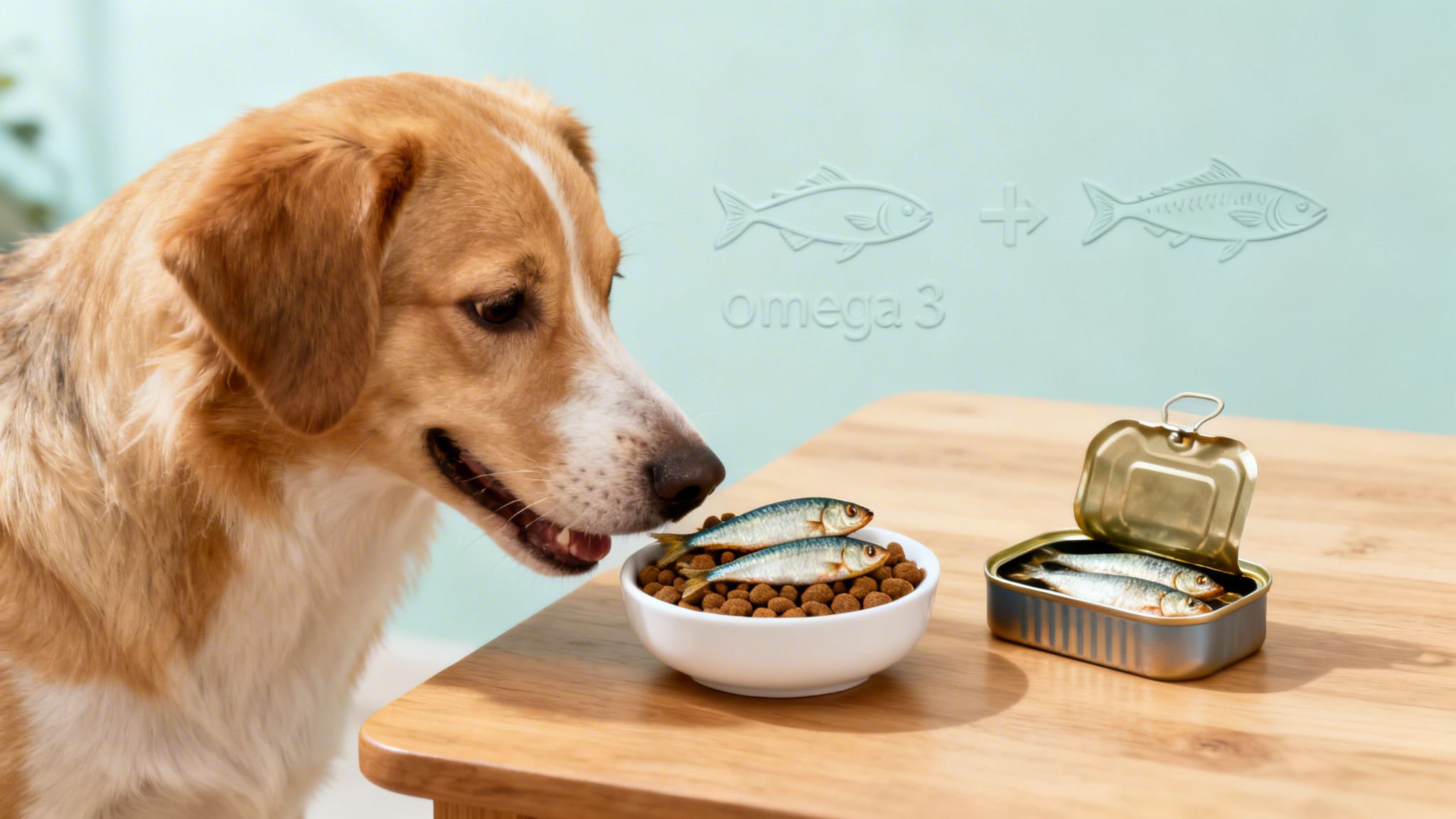
- Omega-3 Fatty Acids (EPA & DHA): Usually found in fish oil, these are true multitaskers. They’re fantastic for brain health and cognitive function, they help keep your dog’s coat shiny and healthy, and they're powerful anti-inflammatories that can help soothe achy joints.
- Probiotics and Prebiotics: You’ve probably heard it before: a healthy gut is central to everything. Probiotics add good bacteria to the digestive tract, and prebiotics are the food that helps those good guys flourish. Together, they support a strong immune system.
Remember, the goal of supplementation is targeted support. It’s about identifying a specific need—like joint stiffness or digestive upset—and using a high-quality product to provide the building blocks the body needs to manage that challenge.
How to Choose a Quality Supplement
Let's be honest: not all supplements are created equal. The market is a bit of a wild west, which means it’s on us as owners to be savvy shoppers. To make sure you’re giving your dog something both safe and effective, always look for brands that are upfront about where their ingredients come from and how their products are made.
A trustworthy company will be proud to show you its certifications and third-party testing results. But the most important step? Always have a conversation with your veterinarian before starting anything new. Your vet knows your dog’s full health picture and can steer you toward a product that truly fits their needs, making sure it’s a helpful and safe part of their longevity plan.
Your Top Questions About Dog Longevity, Answered
Alright, let's wrap up by tackling a few of the questions I hear most often from dog owners. Getting straight answers to these common concerns can help you feel more confident as you map out a long, happy life for your best friend.
Does Spaying or Neutering My Dog Really Help Them Live Longer?
It absolutely does. The science on this is pretty clear: spayed and neutered dogs, on average, live longer and healthier lives. It’s one of the most impactful things you can do for their long-term well-being.
Think of it as heading off major health crises before they even have a chance to start. The procedure dramatically cuts the risk for certain cancers, like mammary tumors or testicular cancer. For female dogs, it completely prevents pyometra—a severe and often fatal uterine infection.
Beyond that, it often reduces the urge to roam, which means fewer chances for accidents or fights. It’s a win-win for both health and safety.
When you look at the big picture, the health benefits of spaying or neutering are undeniable. It's probably the single most effective, proactive step you can take to protect your dog from a whole list of serious health problems down the road.
Is Switching My Older Dog to a Senior Diet a Good Idea?
For most older dogs, yes, making the switch to a senior-specific diet can be a game-changer. As dogs age, their nutritional needs shift, and a well-formulated senior diet is designed to meet them right where they are.
These diets are typically a bit lower in calories to account for a slower metabolism and prevent weight gain, which is a common issue in older pups. They also pack in high-quality protein to help maintain muscle mass and often include extras like glucosamine and chondroitin to support aging joints. Of course, have a chat with your vet first to find the perfect formula for your dog's unique needs.
When Is My Dog Officially Considered a Senior?
This is a fantastic question, and the answer isn't a simple number—it really depends on their breed and size. "Senior" is a life stage, not an age, and different dogs get there at very different times.
Here’s a general guide:
- Giant breeds, like a Great Dane or Irish Wolfhound, are often considered seniors by age 5 or 6.
- Small breeds, like your little Chihuahua or Yorkie, might not hit their golden years until they're 10 or 11.
Most medium-to-large breeds fall somewhere in the middle, usually entering their senior phase around age 7 or 8. Your vet is the best person to help you pinpoint that transition and decide when it’s time to start making those senior-focused adjustments to their care.

Karolis is the Founder of FORMA, a pet wellness brand focused on longevity and daily nutrition for dogs. Writes about supplements, canine health, and helping pets live longer, healthier lives
Join thousands of pet parents getting science-backed health insights and natural care advice