Fresh Food for Dogs A Guide to Healthier Diets
Is fresh food for dogs better? This guide explores the benefits, compares raw vs cooked options, and shows you how to switch your dog's diet safely.
If you’ve ever felt overwhelmed staring down the pet food aisle, you’re not alone. The choice between traditional kibble and the growing world of fresh food for dogs isn't just about different products—it's a whole new way of thinking about how we nourish our best friends. It’s about moving beyond processed pellets to meals made from real, whole ingredients you can actually recognize.
For many of us, this shift is personal. It's about treating our dogs like the family they are.
The Shift to Fresh Food for Dogs

For decades, dry kibble has been the default. It's convenient, it's shelf-stable, and it's what we’ve always known. But a huge change is underway in the pet world. More and more dog owners are looking past the bag of brown pellets and asking a really important question: "Is this the absolute best I can do for my dog?"
Here's an easy way to think about it: could you live on fortified cereal and protein bars for every meal? You'd survive, sure. But we all know you’d feel a lot better eating fresh vegetables, lean meats, and whole grains. That same simple logic is now making its way into our dogs' bowls, and it’s fueling a revolution in pet nutrition.
The Rise of Pet Humanization
This growing interest in fresh food for dogs is all thanks to a trend called "pet humanization." It's a fancy term for something we all feel: our dogs aren't just pets; they're family. That deep emotional bond means we want to care for their health and well-being just as we would our own, and that starts with what they eat.
This isn't just a niche movement; it's a massive economic force. The global dog food market is on track to explode from $74.67 billion in 2024 to an incredible $190.79 billion by 2035. A huge driver behind this is the fact that 70% of millennial pet owners in the US see their dogs as their children. It’s no surprise they’re seeking out natural, high-quality ingredients for them. You can explore more about these market trends and their impact on pet nutrition.
This shift reflects a deeper understanding that what our dogs eat directly impacts their health, vitality, and longevity. It's a move from merely sustaining them to helping them thrive.
Why Owners Are Moving Beyond Kibble
This desire for better nutrition has a lot of us taking a closer look at the limits of conventional dog food. While many kibbles are formulated to be "complete and balanced," the high-heat manufacturing process they go through can strip away some of the natural goodness from the original ingredients.
This is what has led so many owners to look for something better—something that offers:
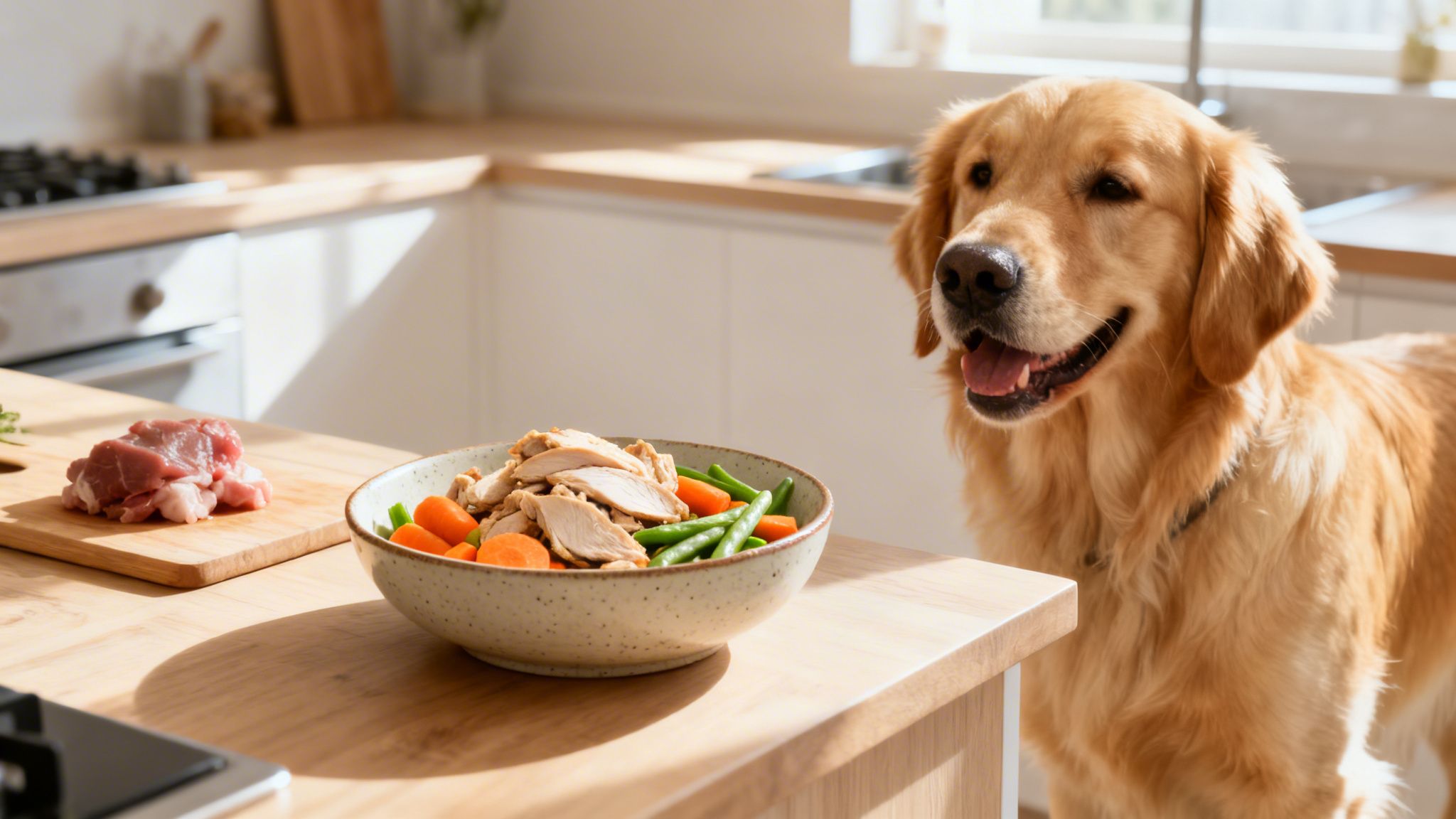
- Ingredient Transparency: The simple joy of looking into your dog's bowl and seeing real chicken, bright green peas, and fresh carrots. No mystery meat meal.
- Higher Digestibility: Gently cooked whole foods are much easier for a dog’s digestive system to break down and absorb. This means more nutrients get used and, as a bonus, often leads to smaller, firmer stools.
- Improved Health Outcomes: Many owners who make the switch report seeing real, tangible benefits. We're talking shinier coats, more playful energy, and a healthier number on the scale.
At the end of the day, the "why" behind the fresh food movement is simple. We're all just trying to give our four-legged family members a longer, healthier, and happier life. It's about strengthening that incredible bond we share, starting with what we put in their bowl.
Understanding Your Fresh Dog Food Options
When you start looking into fresh food for your dog, it can feel like there are a million different options. The good news is that "fresh food" isn't one single thing. It’s really an umbrella term for several different ways of feeding, each with its own mix of convenience, cost, and hands-on control.
Think of it like deciding on dinner for yourself. Some nights you want a healthy meal delivery service that’s ready to go. Other nights, you might be in the mood to roll up your sleeves and cook something special from scratch. The world of fresh dog food offers that same kind of flexibility, so you can find what works best for you and your dog.
Commercial Fresh-Cooked Food Services
This is where most people dip their toes in the water. These companies are basically high-end meal delivery services, but for your dog. They take all the guesswork out of the equation by creating complete and balanced meals, cooking them gently to keep the nutrients intact, and then shipping them right to your door in perfectly portioned packs.
These brands do all the heavy lifting—from sourcing quality ingredients to making sure every meal meets AAFCO standards for a complete diet, usually with a veterinary nutritionist on staff. You get total peace of mind and convenience. The trade-off? This is usually the most expensive way to feed fresh.
DIY Gently Cooked Meals
If you’re a whiz in the kitchen and want to know exactly what’s going into your dog’s bowl, a do-it-yourself (DIY) gently cooked diet could be a great fit. This means you’re the one buying the ingredients—like lean ground turkey, beef hearts, fresh carrots, and spinach—and cooking the meals at home. A light cook makes the food easier to digest and kills off any potential germs.
The biggest rule of DIY is nutritional balance. Tossing some chicken and rice in a bowl is a fast track to long-term health problems. A properly formulated meal needs a precise mix of meat, organs, veggies, and specific supplements to be truly complete.
This route can be much easier on the wallet than a commercial service, and you have ultimate control over ingredient quality. But, it does require a serious commitment of your time for all the research, shopping, cooking, and storing. It’s absolutely essential to follow a recipe created by a board-certified veterinary nutritionist to prevent dangerous nutritional gaps.
Commercial Raw Food Diets
Another popular avenue in fresh feeding is the raw food diet. Commercial raw food gives you the benefits of a raw diet but with the convenience of a pre-made product. You can find these diets in a few different forms, like frozen patties, chubs (the tubes of ground meat), or freeze-dried nuggets that you just add water to.
Just like their cooked counterparts, reputable commercial raw foods are formulated to be nutritionally complete and balanced. They save you the headache of sourcing and grinding all the different meats, bones, and organs yourself. The two big things to keep in mind are:
- Pathogen Safety: You have to be meticulous about safe handling. Treat it just like you would raw chicken for your own dinner to avoid cross-contamination in your kitchen.
- Cost: While it’s often cheaper than fresh-cooked delivery services, commercial raw can still be more expensive than a DIY approach.
DIY Raw Diets
For the truly dedicated owner, a DIY raw diet offers the most control possible. These diets, often based on models like BARF (Biologically Appropriate Raw Food) or the "prey model," are built around feeding your dog raw muscle meat, organs, and raw, edible bones. The philosophy here is to mimic what a dog's wild ancestors would have eaten.
This is by far the most complex and labor-intensive option. It requires a deep dive into your dog's nutrient needs, careful sourcing of ingredients, and special equipment like a good meat grinder and a dedicated freezer. While it can be very cost-effective, the risk of getting the nutritional balance wrong or introducing harmful bacteria is highest with this method. A consultation with a veterinarian who specializes in raw feeding isn't just a good idea—it's a must.
Health Benefits of a Fresh Food Diet

When you switch your dog to a fresh food diet, the benefits you'll see go far beyond a more excited pup at dinner time. Trading highly processed kibble for gently cooked, whole-food ingredients can kickstart a whole host of positive changes you can actually see and feel. Think of it as an investment in their health that pays off every single day.
One of the first things most dog owners notice is a huge improvement in digestion. It just makes sense—your dog’s system is built to process real, whole foods. Gently cooked meals are much more bioavailable, which is just a fancy way of saying the nutrients are easier for their body to absorb.
When their body can actually use more of the good stuff in their food, you’ll start seeing the results. That means more energy for the dog park, smaller and firmer poops to pick up in the yard, and a whole lot less tummy trouble. It's a pretty clear sign that their internal engine is running just right.
From Dull Fur to a Lustrous Coat
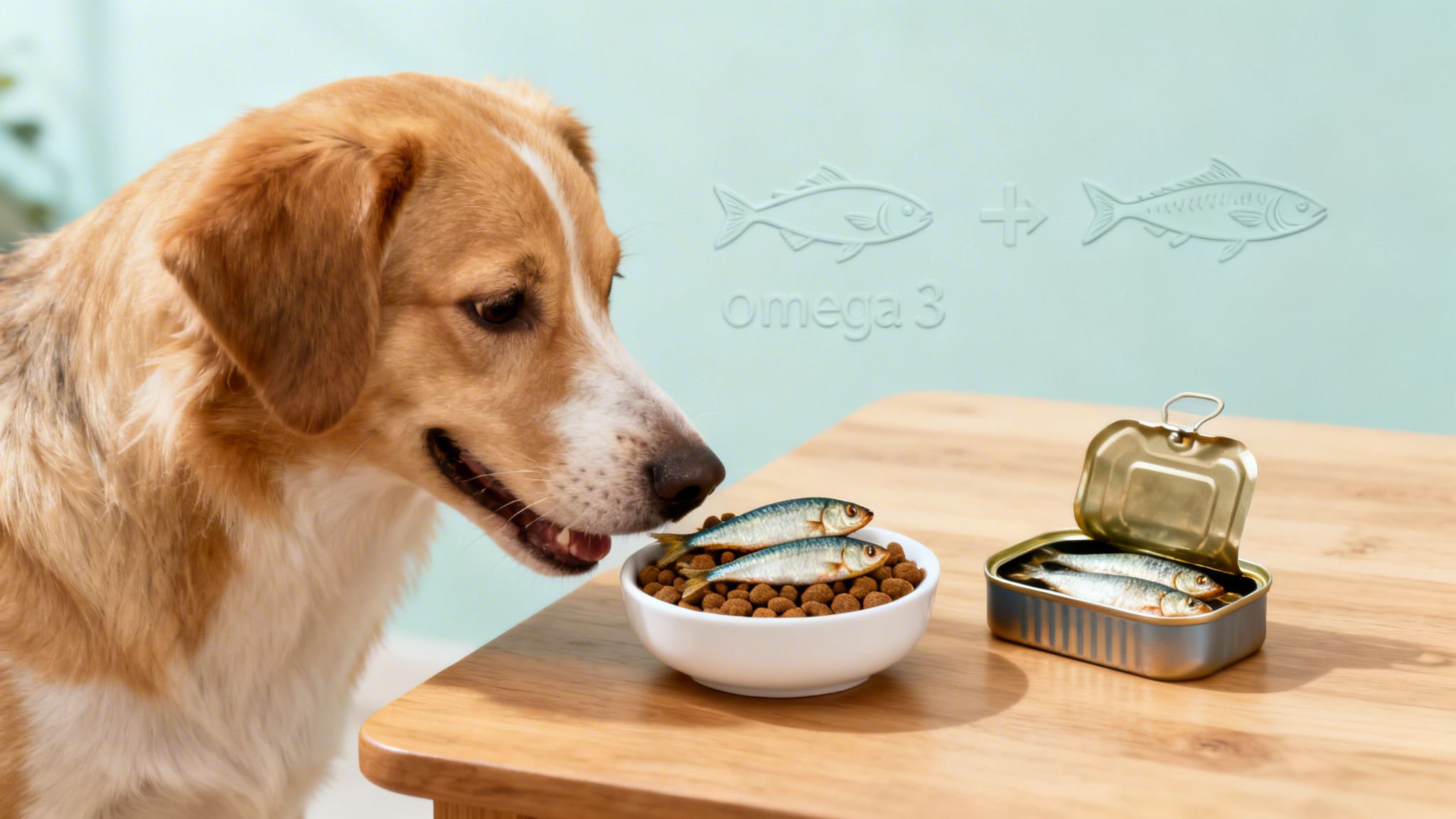
Is your dog's coat looking a little drab? Or maybe their skin is dry and flaky? A fresh diet can turn that around completely. Most fresh food recipes, whether you make them yourself or buy them pre-made, are loaded with omega-3 and omega-6 fatty acids from ingredients like fish, flaxseed, and quality oils.
These healthy fats are the secret to healthy skin and a super soft coat. They work from the inside out to:
- Strengthen the skin barrier, helping to keep moisture in and irritants out.
- Calm inflammation, which can soothe that itchy, irritated skin that drives dogs crazy.
- Create a beautiful, shiny coat that really shows off how healthy they are.
You’re not just filling their bowl; you’re giving them the building blocks they need to look as amazing as they feel.
Supporting a Healthy Weight and Vitality
Keeping your dog at a healthy weight is one of the most critical things you can do for their long-term health, and fresh food is an incredible tool for this. Fresh diets are centered on high-quality protein for building strong muscles, and they skip the cheap fillers—like corn, wheat, and soy—that often pad out bags of kibble.
These nutrient-packed meals help your dog feel full and satisfied without all the empty calories. This makes it so much easier to manage their weight, whether they need to slim down a bit or just stay at their ideal size. The payoff is a more energetic dog with healthier joints and a lower risk of all the health problems that come with being overweight.
"A fresh diet moves beyond just 'calories in, calories out.' It focuses on nutrient quality, providing the high-quality protein and antioxidants that fuel a healthy metabolism and vibrant energy levels."
The market is catching on, too. The demand for wet and fresh dog food is growing much faster than for traditional dry kibble. That’s because the science backs it up—fresh diets offer some serious advantages, with up to 78% higher antioxidant levels from fresh veggies and proteins. This supports a healthy gut, and some studies have even shown it can reduce inflammation by as much as 40%. You can discover more about the research driving these pet food trends.
Focusing on whole ingredients isn't just about weight; it’s about giving your dog the high-quality fuel they need to live their best, most active life. By investing in their diet now, you’re really investing in more happy, healthy years together.
Understanding the Risks of Fresh Feeding
Switching your dog to a fresh food diet is an exciting move, but it’s one that requires some real thought and planning. While the benefits are huge, you have to go into it with your eyes open. The moment you step away from the convenience of commercial kibble, you're taking on the full responsibility for your dog's nutrition and food safety.
When you get right down to it, there are two major hurdles every owner has to clear: nutritional imbalances and pathogen safety. Nailing these isn't just a good idea—it's absolutely critical for keeping your dog healthy, both now and for years to come.
The Danger of Nutritional Imbalances
Honestly, the biggest mistake I see well-intentioned owners make is underestimating just how complex a dog’s nutritional needs are. It's so easy to assume a simple meal of boiled chicken and rice is a healthy upgrade. But that’s one of the most dangerous myths in the world of DIY dog food. A meal like that is fine for a day or two to calm an upset stomach, but it’s dangerously low on dozens of essential nutrients for the long haul.
A homemade diet that isn't formulated correctly can lead to some pretty serious health problems over time, including:
- Bone and Joint Problems: Often from getting the calcium-to-phosphorus ratio wrong.
- Organ Damage: Can happen when key vitamins and minerals are missing.
- Poor Skin and Coat: A classic sign of not enough essential fatty acids.
This is precisely why the standards from the Association of American Feed Control Officials (AAFCO) are so important. They act as the nutritional blueprint for a "complete and balanced" diet. Whether you’re buying a pre-made fresh food or making it yourself, your goal should always be to meet these guidelines.
Crucial Takeaway: Building a balanced meal is a science. If you’re making fresh food for dogs at home, you absolutely must use recipes formulated by a board-certified veterinary nutritionist. Never guess.
Pathogen Safety and Proper Handling
The other big risk involves nasty bacteria like Salmonella, E. coli, and Listeria. These can lurk in raw ingredients and even in lightly cooked foods. The scary part is they don't just pose a threat to your dog; they can also make the humans in your house sick through cross-contamination.
This means proper food handling is completely non-negotiable. The easiest way to think about it is to follow the exact same hygiene rules you would for your own family's meals. When you're prepping fresh food for your dog—especially if it contains raw or undercooked meats—knowing the safe cooking temperatures for meat is essential for preventing foodborne illness.
Simple Safety Rules for Your Kitchen:
- Wash Your Hands: Always, with soap and water, before and after you touch your dog’s food.
- Separate Your Gear: Use dedicated cutting boards, bowls, and knives for your dog's meals. This prevents germs from spreading to your food prep areas.
- Clean and Sanitize Everything: After you’re done, wash all surfaces, bowls, and utensils with hot, soapy water.
Your Veterinarian Is Your Greatest Ally
Before making any big diet change, your very first stop should be a chat with your veterinarian. They can look at your dog's specific health profile, consider any existing conditions, and help you decide if a fresh diet is a smart choice.
Think of your vet as your partner in this journey. They can help you find a qualified veterinary nutritionist, point you toward reputable commercial fresh food brands, and provide the professional oversight you need to make the switch safely and responsibly. That initial conversation is the foundation for doing this the right way.
How to Safely Transition Your Dog to Fresh Food
So, you're ready to make the switch to fresh food. That's fantastic! But before you dive in, it’s important to remember that changing your dog's diet isn't something you want to do overnight.
Think about it: your dog's digestive system is a creature of habit. It’s gotten very good at breaking down the same kibble day in and day out. Suddenly throwing a new, rich, whole-food meal into the mix—even a much healthier one—can be a shock to the system, often leading to an upset stomach, gas, or diarrhea. The secret is to go slow.
You wouldn't go from the couch to running a marathon overnight, right? The same logic applies here. A gradual transition gives your dog's gut the time it needs to adapt. This allows their digestive enzymes and the good bacteria in their stomach to get acquainted with the new ingredients, which makes for a much smoother, happier switch. Most dogs do great with a transition period of about 7 to 10 days. If you know your dog has a sensitive tummy, just stretch it out to 14 days.
The Gradual Transition Method
Your first stop should always be a chat with your vet. They know your dog's health history and can give you the green light or suggest any personalized tweaks. Once you have their blessing, the process is straightforward. It’s all about slowly mixing the new food in with the old.
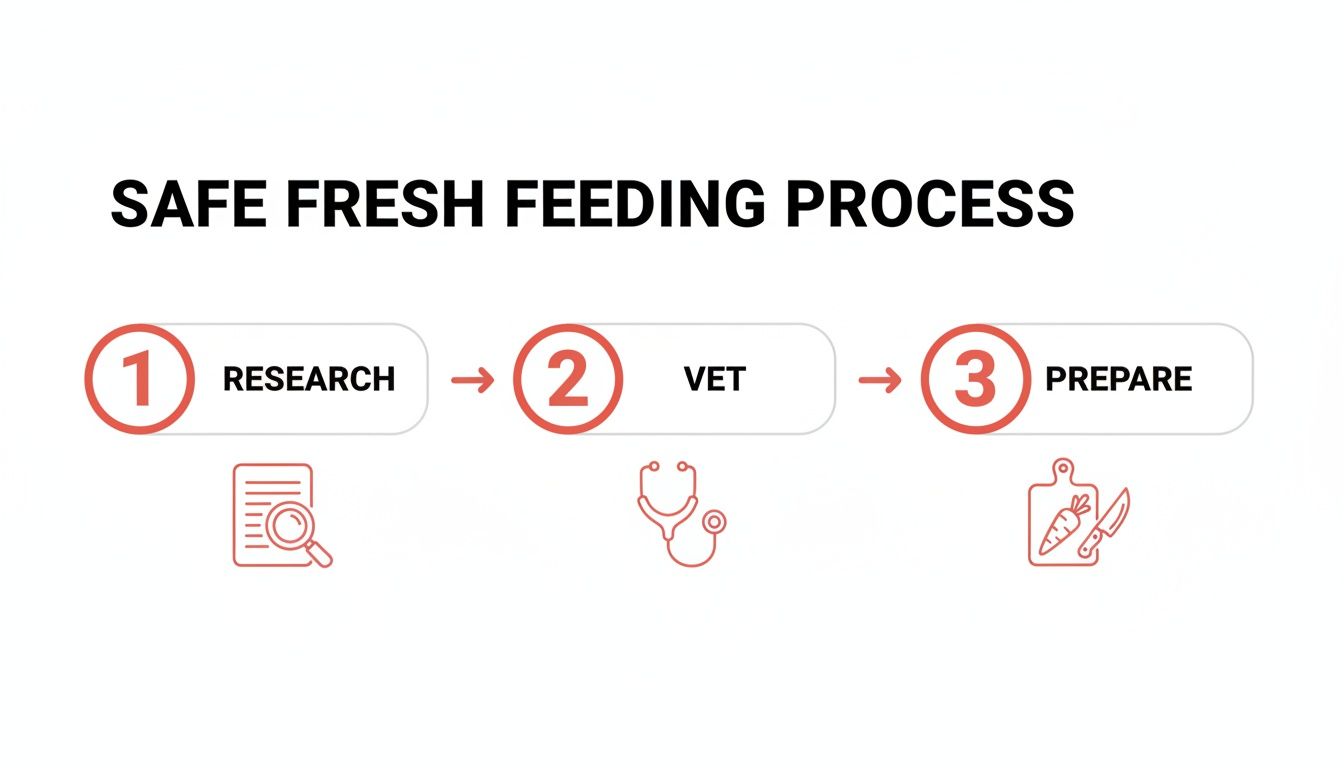
As you can see, a successful switch starts with doing your homework and talking to your vet—long before that first spoonful of fresh food hits the bowl.
To get started, you'll simply mix a small amount of the new fresh food into your dog's current food. Here’s a sample schedule that works well for most dogs over a week.
7-Day Sample Transition Schedule to Fresh Food
This day-by-day guide shows you the recommended ratio of old food to new food. Following this simple schedule is the best way to ensure a smooth and safe dietary transition for your dog.
By Day 7, your dog will be fully enjoying their new fresh diet! This slow and steady approach gives their system plenty of time to adjust without any tummy drama.
Monitoring Your Dog During the Switch
During this transition week, your dog is going to give you all the feedback you need. You just have to know what to look for. Pay close attention to these three things:
- Stool Consistency: Honestly, this is the most telling sign. You’re looking for their poop to stay firm and well-formed. If you notice things getting a little loose, it's a signal to slow down the transition.
- Energy Levels: Don't be surprised if you see a new spring in their step! Many owners notice a real boost in energy and playfulness as their dog’s body starts running on higher-quality fuel.
- Appetite and Behavior: Your dog should be excited for dinner. Any hesitation, lethargy, or excessive gas could mean their stomach isn't quite ready for the new ratio.
If you spot any signs of an upset stomach, don't panic. Just dial it back. Go back to the previous ratio (the one that was working well) for a day or two before trying to increase the fresh food again. There's no rush!
By taking it slow and paying attention to your dog's cues, you can make the switch to fresh food a positive and exciting experience for both of you.
Taking Fresh Food to the Next Level with Superfood Support
Switching your dog to a fresh food diet is one of the best things you can do for their health. You're already providing a foundation of real, whole ingredients—a huge win for their long-term well-being. But can you build on that? Absolutely. This is where a little extra, targeted support can work wonders alongside their daily meals.
Think of it this way: their fresh food is the healthy, balanced dinner that provides all the core energy and nutrients. A daily superfood supplement, like a FORMA chew, is like adding a targeted multivitamin to their routine. It’s not meant to replace the meal, but to fill in any tiny gaps and deliver specific, science-backed benefits for things like joint mobility, a calm mind, or a stronger immune system.
It's a simple, powerful way to amplify the good you're already doing.
A Smart Way to Round Out Their Diet
Even the most carefully prepared homemade or commercial fresh diets can have slight nutritional variations from batch to batch. Adding a daily chew formulated by experts gives you peace of mind, ensuring your dog gets a consistent dose of key nutrients that can be tricky to pack into every single meal.
For example, a quality supplement can deliver a concentrated boost of support that’s especially helpful for certain dogs:
- For seniors: Ingredients like glucosamine can make a real difference in keeping their joints comfortable and mobile.
- For anxious pups: Natural calming agents like L-theanine can help them feel more relaxed without making them drowsy.
- For active dogs: A little extra immune support helps their bodies recover faster and stay resilient.
This approach makes a lot of sense to owners who are already committed to high-quality, human-grade ingredients. It's no surprise that sales of fresh food for dogs have jumped by 25% each year since 2020. This shift is tied to studies finding that dogs on fresh diets often have 30-50% lower rates of common problems like obesity and allergies. Businesses like FORMA are designed to complement this movement with their daily chews. You can see how consumer trends are changing the pet food landscape for yourself.
A Small Step for Big Results
Adding a superfood chew to your dog's daily routine couldn't be easier. It works with their fresh diet, so you don't have to change a thing about their meals. For busy owners who want the absolute best for their pets but need solutions that fit into real life, that convenience is a game-changer.
Adding a daily chew is like giving your dog a targeted wellness tool. It ensures they're getting consistent support for their unique needs, day in and day out, amplifying the powerful benefits of their fresh food diet.
At the end of the day, pairing a fresh diet with a high-quality supplement like FORMA gives you a complete wellness plan. You handle the delicious, wholesome meals, and the chew adds that extra, concentrated support for a long, happy, and healthy life. It’s a simple way to feel confident you’re covering all the bases for your best friend.
Your Top Questions About Fresh Dog Food, Answered
Thinking about switching your dog to a fresh food diet is exciting, but it's totally normal for it to bring up a lot of questions. It's a world away from the familiar scoop of kibble, so let's clear up the common concerns.
We've heard these questions time and time again from owners just like you. Here are the straightforward answers you need to feel confident about giving your dog the best.
Is Fresh Food Really Worth the Extra Cost?
Let's get right to it—this is usually the first hurdle. And yes, fresh food costs more upfront than a bag of kibble. There’s no getting around that.
But many owners who make the switch start to see it less as an expense and more as an investment in their dog's future health. Think of it as proactive wellness care in their food bowl.
When you feed a diet packed with high-quality, easy-to-digest nutrients, you're supporting a stronger immune system, healthier skin, and better weight management. Over time, that can mean fewer trips to the vet for things like chronic allergies, tummy troubles, or joint pain. The higher price tag on the food could easily be balanced out by potential savings on vet bills down the line.
How Do I Know a Brand Is Actually "Complete and Balanced"?
With so many brands out there, how can you be sure the food you're buying truly has everything your dog needs to thrive? It can feel like navigating a maze of clever marketing. Luckily, there's a simple secret to look for.
Check the packaging for a specific nutritional adequacy statement from AAFCO (The Association of American Feed Control Officials).
A reputable brand will have a statement that reads something like: "[Product Name] is formulated to meet the nutritional levels established by the AAFCO Dog Food Nutrient Profiles for Adult Maintenance."
This is your guarantee that the recipe is "complete and balanced," providing all the essential vitamins, minerals, and nutrients in the right proportions. The best brands are also transparent about who formulates their recipes—look for a board-certified veterinary nutritionist on their team.
Can I Just Mix Fresh Food with My Dog's Kibble?
Absolutely! You don't have to choose between one or the other. Mixing fresh food into your dog's current kibble is a fantastic strategy to upgrade their nutrition without going all-in on a 100% fresh diet.
This "topping" approach gives you the best of both worlds:
- Makes Meals Irresistible: A spoonful of fresh food can transform a boring bowl of kibble into a feast, which is a lifesaver for picky eaters.
- Adds a Nutritional Punch: You're adding high-quality protein, vital moisture, and whole-food nutrients that simply aren't present in highly-processed dry food.
- Keeps it Budget-Friendly: This is the most affordable way to introduce the powerful benefits of fresh food into your dog's daily routine.
Just be sure to reduce the amount of kibble to account for the calories you're adding with the fresh food. Even a small amount is a huge step up from a kibble-only diet and a wonderful move toward better health.

Karolis is the Founder of FORMA, a pet wellness brand focused on longevity and daily nutrition for dogs. Writes about supplements, canine health, and helping pets live longer, healthier lives
Join thousands of pet parents getting science-backed health insights and natural care advice