Your Guide to Choosing Healthy Dog Food
Learn how to choose genuinely healthy dog food. Our guide helps you read labels, understand nutrients, and pick the best diet for your dog's long, happy life.
When you walk down the pet food aisle, it’s easy to get lost in a sea of flashy bags and marketing promises. But what does “healthy” dog food actually mean? It’s not about the fancy packaging—it’s about what’s inside.
Think of it like building a house. You wouldn't use cheap, flimsy materials and expect it to stand strong for years. The same goes for your dog. A healthy diet is built with high-quality, bioavailable nutrients that their body can easily absorb and put to good use.
What Actually Makes Dog Food Healthy
To see past the marketing hype, you need to understand the science in the bowl. The term “healthy dog food” isn’t a specific brand, but a philosophy. It starts with a diet that's "complete and balanced," meaning it provides all the essential nutrients your dog needs to thrive, in just the right amounts.
You'll often see this confirmed by a statement from the Association of American Feed Control Officials (AAFCO) on the bag. This is a good starting point, as it shows the food meets the minimum nutritional requirements for a dog's life stage. But true health goes beyond the bare minimums. It’s all about the quality and source of those nutrients.
The Core Building Blocks of Canine Health
Let’s think of your dog’s body as a busy city. The nutrients in their food are the workers, the fuel, and the raw materials needed to keep everything running perfectly. The most important of these are the three macronutrients: protein, fat, and carbohydrates.
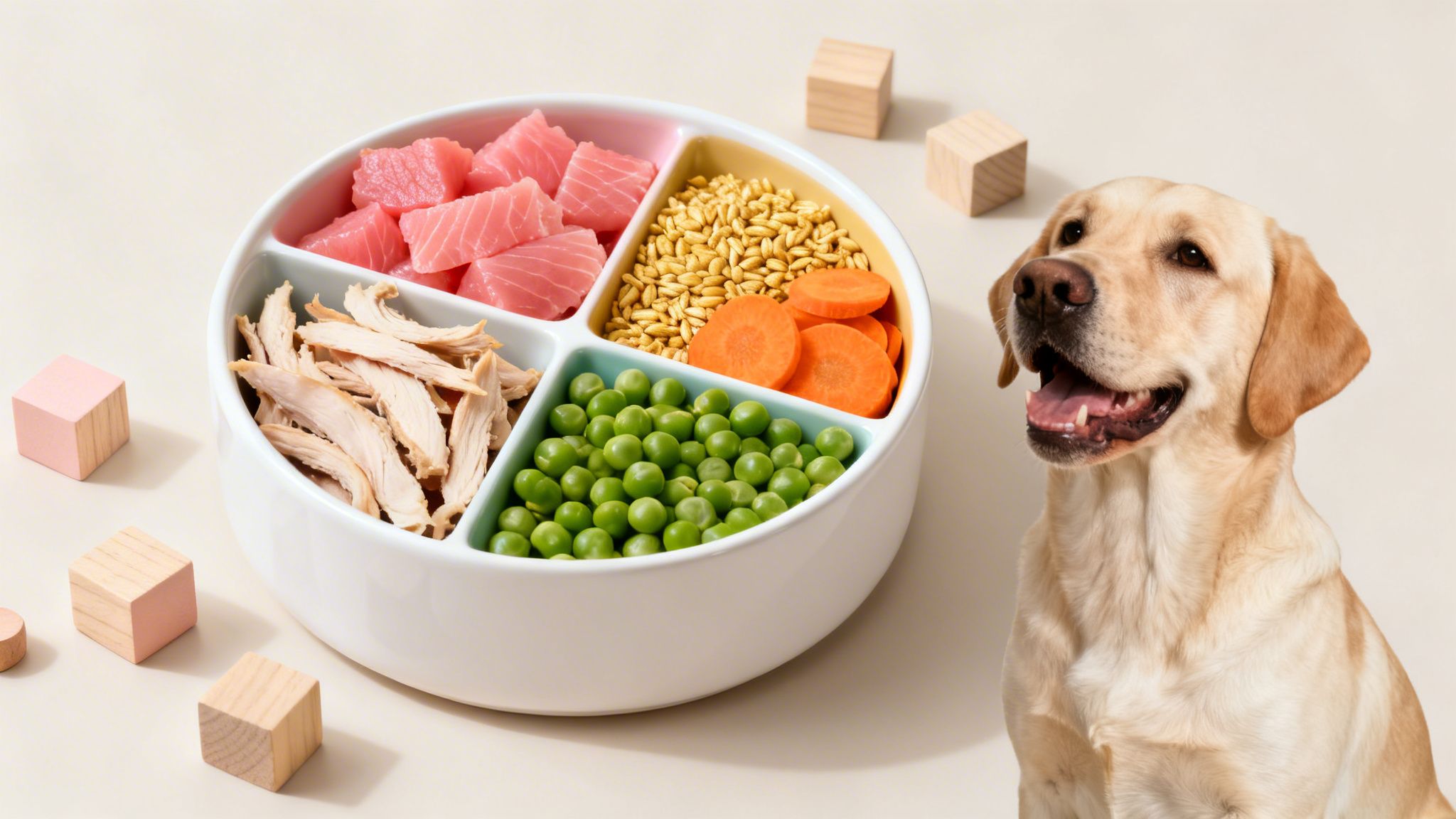
Protein: These are the construction crew. They’re responsible for building and repairing everything from muscles to skin and hair. Look for high-quality animal proteins like chicken, beef, or fish, which are packed with essential amino acids your dog’s body can’t make on its own.
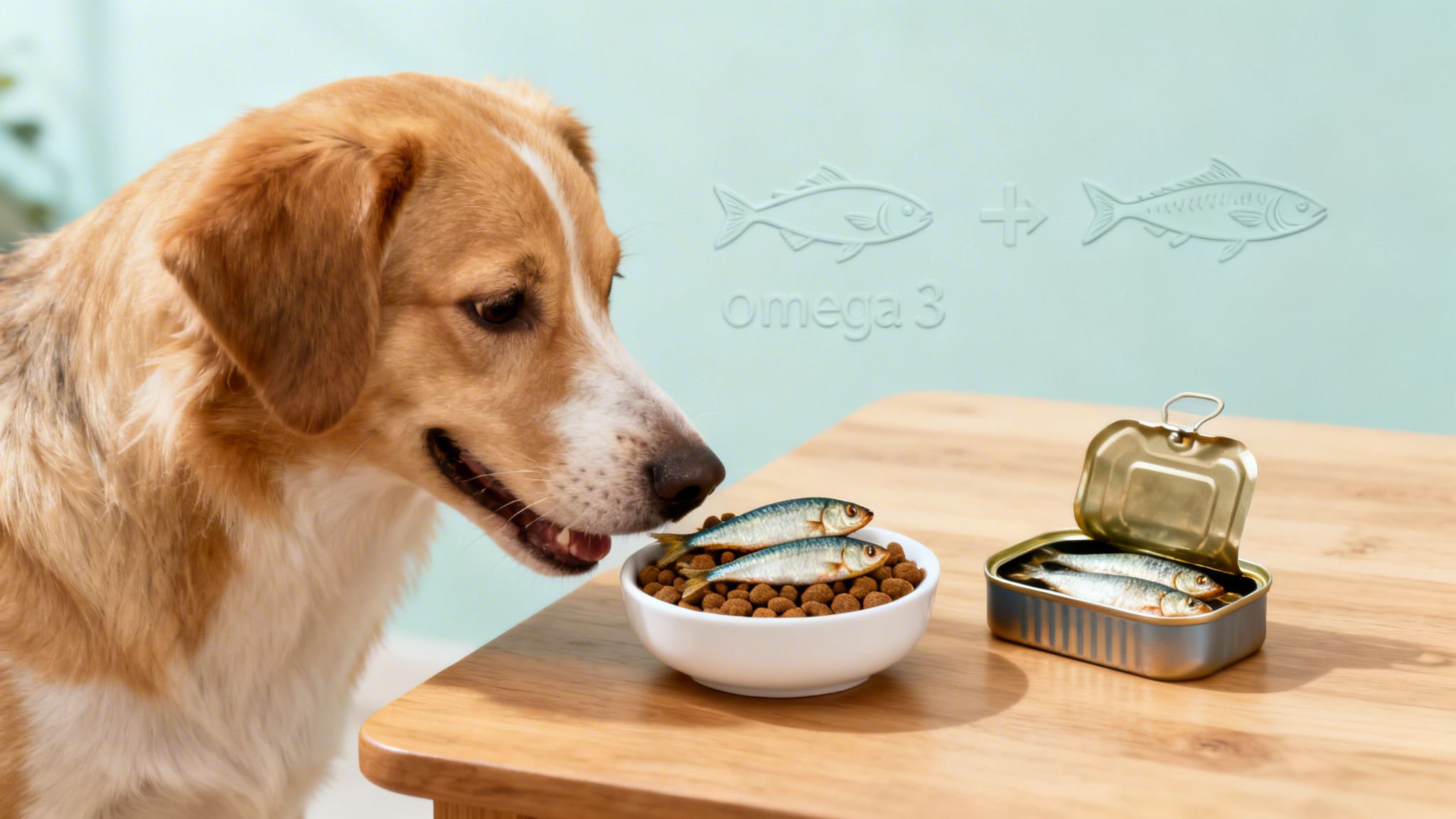
Fats: This is the city’s power grid. Fats provide a super-concentrated source of energy—more than double that of protein or carbs. They’re also crucial for brain health, healthy skin, and absorbing certain vitamins. Healthy fats, especially omega-3s from sources like fish oil, are fantastic for keeping coats shiny and reducing inflammation.
Carbohydrates: These offer quick-access fuel for the city's daily grind. Wholesome carbs from sources like sweet potatoes, brown rice, and peas provide steady energy and fiber, which is essential for healthy digestion.
More and more pet owners are looking for these higher-quality options, and it’s changing the entire pet food industry. The global dog food market, valued at around USD 54.4 billion in 2026, is expected to grow to an incredible USD 91.82 billion by 2035. That boom is almost entirely driven by people like you who want better, healthier food for their dogs.
A truly healthy dog food is made with high-quality, recognizable ingredients. The real goal is maximum nutrient absorption—or bioavailability—so your dog’s body can actually use what it’s eating to build energy, immunity, and overall vitality.
To help you get a clearer picture, here’s a quick-reference table of the key nutrients your dog needs and where to find them in high-quality sources.
Your Dog's Essential Nutritional Building Blocks
This table covers the basics, but building a truly complete diet often involves a few more important details.
Beyond the Basics to Ensure Quality
While macronutrients are the foundation, a top-tier dog food also includes essential micronutrients like vitamins and minerals, which handle everything from immune response to bone health. Just as important, however, is knowing you can trust the ingredients.
This is where understanding the value of independent verification comes in handy. For instance, when you see a product that has undergone third-party supplement testing, it means an unbiased lab has confirmed that what’s on the label is actually in the product. This gives you an extra layer of confidence that the ingredients are pure, potent, and free from contaminants that could harm your dog.
How to Read Dog Food Labels Like an Expert
Trying to make sense of a dog food label can feel like you’re trying to crack a secret code. Between the confusing jargon and the mile-long ingredient lists, it's easy to get overwhelmed. But once you know a few key things to look for, you can walk down any pet food aisle and feel confident you're picking a genuinely healthy food for your dog.
I like to think of the label as the food's resume. It tells you everything you need to know about its qualifications for nourishing your dog. Your job is to learn how to read between the lines and spot the difference between an all-star and an option that just looks good on paper.
Decoding the Ingredient List
The ingredient list is the most revealing part of the whole package. Ingredients are always listed by weight, from heaviest to lightest, before they are cooked. This means the first handful of ingredients really make up the bulk of what’s in the bag.
Always focus on the first five ingredients. Ideally, you want to see high-quality, recognizable whole foods right at the top. A strong list will always start with a specific animal protein, not a vague, mystery one.
- Excellent Sources: Look for terms like "deboned chicken," "lamb meal," or "salmon." A "meal" (like chicken meal) isn't a bad thing—it's just the protein with most of the water and fat removed, making it a super-concentrated source of protein.
- Vague Sources to Avoid: Red flags include non-specific terms like "meat and bone meal" or "animal by-product meal." These can come from any number of animals, and the quality is often inconsistent and much lower.
This push for transparency isn't just a niche trend. The demand for healthy dog food is a major market force, with dry kibble leading at 42.5% of the market, often featuring new innovations like probiotic coatings for gut health. At the same time, premium wet foods and treats, which account for 22.7% of sales, are booming as owners demand high-protein, animal-based ingredients like chicken and omega-rich fish. You can find more data on these global pet food trends on PetfoodIndustry.com.
The Guaranteed Analysis and AAFCO Statement
Next up, you’ll find the Guaranteed Analysis. This little chart shows you the minimum percentages of crude protein and crude fat, plus the maximum percentages of crude fiber and moisture. While it gives you some baseline numbers, it doesn't tell you a thing about the quality or digestibility of those nutrients.
A food might hit its minimum protein requirement, but if that protein comes from a low-quality source your dog can't absorb well, the numbers don't mean much. That’s why you have to look at the Guaranteed Analysis together with the ingredient list to get the full story.
The Nutritional Adequacy Statement is your assurance of basic quality. Look for the phrase: "[Pet Food Name] is formulated to meet the nutritional levels established by the AAFCO Dog Food Nutrient Profiles for [Life Stage]." This confirms the food is complete and balanced for a puppy, adult, or all life stages.
The infographic below shows what these core building blocks of a healthy diet look like, highlighting the essential balance of proteins, fats, and carbs.
This visual breaks down a balanced canine diet into its key macronutrients, showing how high-quality sources of each are the foundation for your dog's health.
Spotting Red Flags and Misleading Terms
Finally, learn to watch out for clever marketing buzzwords and potentially harmful additives. A lot of the exciting-sounding terms on dog food bags aren't actually regulated and can be very misleading.
Unregulated Marketing Terms:
- "Premium," "Gourmet," or "Holistic": These words sound great, but they have no official definition. They're used purely for marketing and don't guarantee the quality of the food.
- "Human-Grade": While this suggests better quality, the term itself isn't strictly regulated for the final pet food unless the entire manufacturing process meets human food standards, which is rare.
Ingredients to Avoid:
- Artificial Preservatives: Avoid BHA, BHT, and ethoxyquin. Instead, look for natural preservatives like mixed tocopherols (a source of Vitamin E) or rosemary extract.
- Artificial Colors and Flavors: Dyes like Red 40 or Blue 2 are only there to make the food look more appealing to you, not your dog. They serve no nutritional purpose and can trigger sensitivities.
- Sweeteners: Ingredients like corn syrup are just empty calories and add unnecessary sugar to your dog's diet.
By learning to spot these key details, you go from being a confused shopper to an empowered advocate for your dog's health, ready to make the best choice every single time.
Matching Food to Your Dog's Life Stage and Needs

Picking the right dog food isn't something you do just once. Your dog's needs are constantly changing, and what works for a clumsy puppy won't be right for a gray-muzzled senior. In fact, matching their food to their specific life stage is one of the best things you can do for their long-term health.
Think of it this way: a puppy is like a construction site, running 24/7. An adult dog is a well-maintained home, needing steady upkeep. And a senior dog? That's a historic landmark that requires gentle preservation and special care. Each one needs a different set of tools and materials to thrive.
The food you choose can be categorized into three main stages: puppy, adult, and senior. Let's break down what makes each one different.
How a Dog's Dietary Needs Change with Age
This table gives you a quick snapshot of why choosing a life-stage-specific formula is so important for your dog’s health and happiness.
Understanding these key differences is the first step in making an informed choice at the pet store.
Powering Puppies for Growth
Puppies are little whirlwinds of energy. Their bodies are working overtime to build everything from muscle and bone to vital organs. To support this incredible growth spurt, they need a diet packed with high-quality calories and specific nutrients.
A food formulated for puppies will have higher levels of:
- Protein: The essential building block for strong muscles and tissues.
- Fat: A concentrated source of energy for all that playing and exploring.
- DHA: An omega-3 fatty acid that is absolutely critical for brain and eye development.
- Calcium and Phosphorus: These must be carefully balanced to ensure controlled bone growth, which is especially important for large-breed puppies who are prone to joint issues.
Giving a puppy an adult maintenance formula is like trying to build a skyscraper with the budget for a garden shed—they simply won't get what they need to grow up strong.
Maintaining Balance for Adult Dogs
Once your dog hits adulthood (around one year for most breeds, but later for larger ones), their metabolism naturally slows down. The focus shifts from rapid growth to long-term maintenance. Adult dog food is designed to provide balanced nutrition without the extra calories that could easily lead to unwanted weight gain.
These formulas are all about maintaining lean muscle, supporting organ function, and providing steady energy. This is the longest chapter of your dog's life, so finding a quality food that suits them is the key to their ongoing health.
As a starting point, a good rule of thumb is to feed about one cup of prepared food for every 10 pounds of body weight, split into two meals. Always be prepared to adjust this based on your dog's activity, metabolism, and body condition.
Supporting Seniors Through Their Golden Years
As dogs enter their golden years, typically around age seven, their bodies change again. Their metabolism continues to slow, they often become less active, and they're more susceptible to age-related health problems.
A good senior diet is crafted to support them through these changes with:
- Lower Calories: To help prevent weight gain in a less active dog.
- High-Quality, Digestible Protein: To maintain muscle mass without putting extra strain on the kidneys.
- Joint Support: Often includes ingredients like glucosamine and chondroitin to help with mobility and ease stiffness.
- Omega-3 Fatty Acids: To help fight inflammation and support cognitive function.
Customizing Food for Specific Health Needs
Beyond just age, many dogs have unique health concerns that can be significantly improved with the right diet. Think of food as a powerful tool for managing their well-being.
For example, a dog with a sensitive stomach will do much better on a formula with highly digestible proteins like chicken or fish and simple carbs like rice. If your dog struggles with dull fur or itchy skin, a food rich in omega-3 and omega-6 fatty acids can nourish their skin barrier and promote a healthy, shiny coat.
For dogs with suspected food allergies, a Limited Ingredient Diet (LID) or a food with a novel protein (like venison or duck) can make a world of difference by minimizing their exposure to potential triggers.
When you proactively choose a food that addresses your dog's specific needs, you're moving beyond basic nutrition. You're using their daily meals to actively boost their health and quality of life.
Comparing Different Types of Dog Food
Walking down the dog food aisle is enough to make anyone’s head spin. You’ve got crunchy kibble, soft canned food, refrigerated fresh meals, and even frozen raw diets. It’s a lot to take in. The simple truth? There's no single "best" food that works for every dog. The right choice is all about finding the best fit for your dog's health, your lifestyle, and your budget.
What works great for a neighbor's dog might not be the ideal choice for yours. Some dogs thrive on the convenience of kibble, while others need the extra moisture from wet food. It’s even possible that the perfect diet for your companion is a mix of a few different types.
Dry Food or Kibble
Dry food, or kibble, is the go-to for most dog owners, and it's easy to see why. It's affordable, incredibly easy to store and serve, and has a long shelf life, making it a practical choice for just about anyone. That classic crunch also provides a gentle scraping action that can help reduce a bit of plaque on your dog's teeth.
But kibble isn't perfect. It has a very low moisture content—usually around 10%—so it doesn’t do much to help keep your dog hydrated. If you've got a picky eater on your hands, kibble can also be a tough sell. Depending on the brand, some formulas can also be heavy on carbohydrates and fillers.
Wet or Canned Food
For dogs who turn their noses up at dry food or need an extra boost of hydration, wet food is a fantastic option. With a moisture content that often hits 75% or more, it’s a brilliant way to sneak more water into your dog's diet, which is vital for healthy kidneys and overall wellness.
The rich smell and soft texture make it irresistible to most dogs, even the fussiest ones. Wet food also tends to be higher in protein and lower in carbs than the average kibble. The main trade-offs are the higher price tag and the short shelf life. Once a can is opened, it needs to be refrigerated and used up within a couple of days.
Fresh Gently Cooked Food
One of the fastest-growing options on the shelves is fresh, gently cooked dog food. These meals are made with human-grade ingredients—think real meat, visible veggies, and wholesome grains—that are cooked just enough to kill any harmful bacteria while keeping the nutrients intact. This process results in high bioavailability, which simply means the nutrients are easy for your dog’s body to absorb and put to good use.
Fresh food is an excellent choice for dogs with sensitive stomachs or specific health concerns. The biggest hurdles are the cost and the logistics. It's the priciest option out there and requires space in your fridge or freezer, which is a bigger commitment than a bag of kibble in the pantry.
The way we feed our pets is changing. More people are treating their dogs like family, and that’s driving a huge boom in healthy dog food. Online stores now account for 25% of sales, offering more options and better prices. In North America, where an estimated 56% of dogs are overweight, switching to nutrient-dense foods has been shown to lower health risks by 25% and can even extend a dog's life from an average of 12 years to 14 or more. You can read the full research on the dog food market to see how the industry is evolving.
Raw Food Diets
Raw food diets, sometimes called BARF (for Biologically Appropriate Raw Food), are based on feeding a combination of raw muscle meat, bones, organs, and uncooked fruits and vegetables. Fans of this approach believe it closely mimics what a dog’s ancestors ate in the wild. They point to benefits like shinier coats, cleaner teeth, and more energy because the ingredients are completely unprocessed.
However, feeding raw comes with some serious considerations. The risk of bacterial contamination from pathogens like Salmonella and E. coli is very real and can pose a danger to both your dog and the people in your home. It’s also incredibly difficult to formulate a nutritionally complete raw diet on your own, and mistakes can lead to serious nutrient deficiencies.
The Best of Both Worlds with Mixed Feeding
The good news is you don’t have to stick to just one food type. Mixed feeding is a great strategy that gives you the best of both worlds. A common approach is to use kibble as the main meal and then add a "topper" of wet, fresh, or rehydrated raw food.
This gives you a few key advantages:
- Tempts a Fussy Eater: A spoonful of savory wet food can make a bowl of kibble suddenly seem like a five-star meal.
- Boosts Hydration: Adding any food with high moisture content is an easy way to increase your dog's water intake.
- Adds a Nutrient Punch, Affordably: It lets you incorporate the benefits of premium fresh or wet food without the full financial commitment.
At the end of the day, the best healthy dog food is one that is nutritionally complete and balanced, made with quality ingredients, and works for your dog’s unique needs—and for your lifestyle.
Boosting Your Dog's Diet with Smart Supplements
Even with the absolute best food in their bowl, some dogs can use a little extra support. Think of a complete and balanced diet as the solid foundation you build their health on. Supplements are the targeted tools you bring in to reinforce specific areas, turning a good health plan into a great one.
But it’s crucial to know why you’re adding a supplement in the first place. You don’t want to just throw things at the wall and see what sticks. Generally, supplements fall into one of two camps.
Targeted Aids: These are for tackling a specific, noticeable problem. For instance, if your senior dog’s joints are getting stiff, glucosamine can offer some relief. Or if your pup has a sensitive stomach, a good probiotic can work wonders.
Wellness Enhancers: This is all about proactive care. These supplements give a daily boost of beneficial compounds that support long-term health, a resilient immune system, and a calmer mind. It’s about playing the long game.
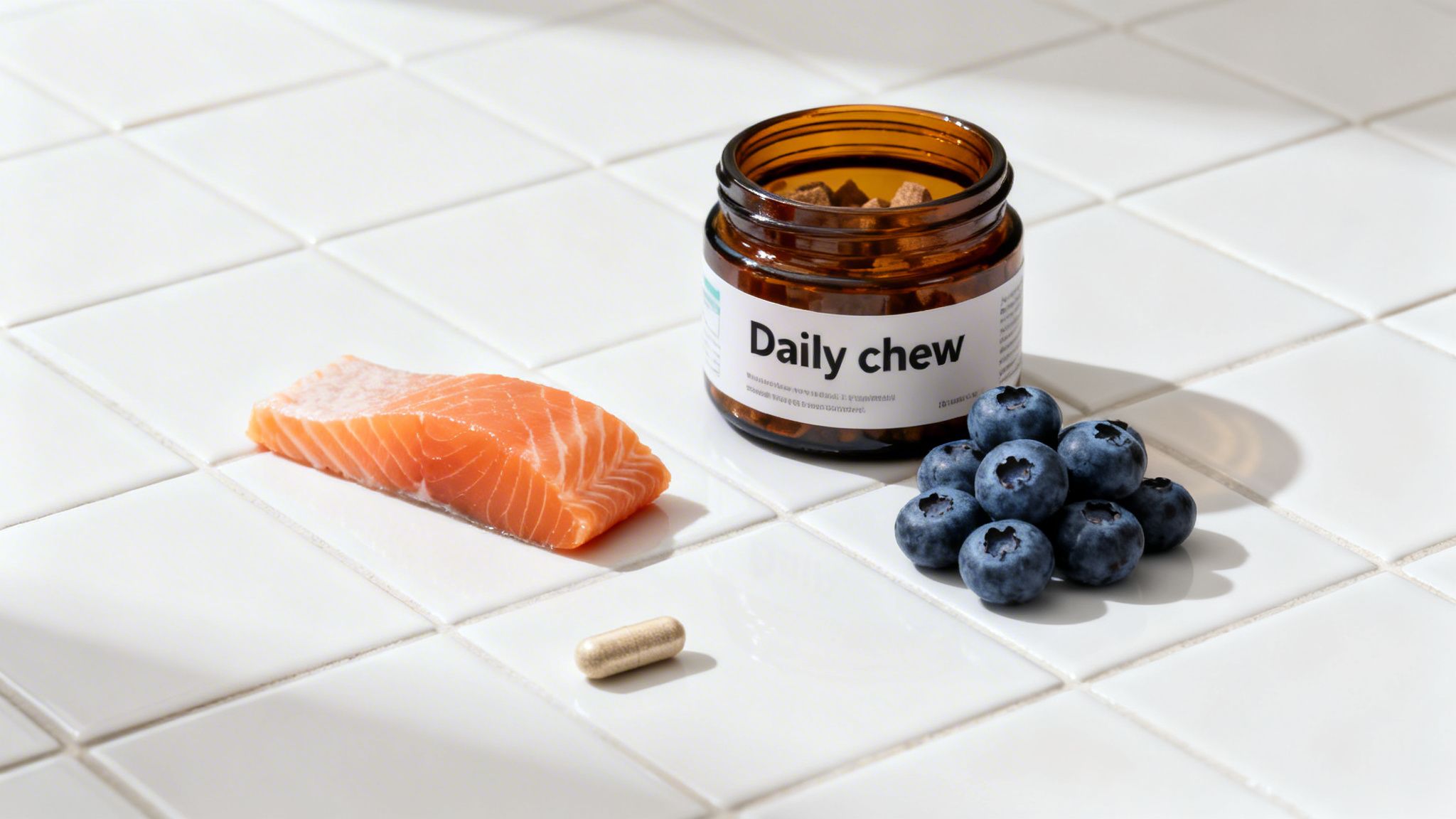
The real challenge? Your counter can quickly fill up with dozens of different bottles and powders. A much simpler—and often more effective—approach is an all-in-one superfood chew that combines everything they need. That’s exactly where a product like FORMA fits in.
The Smart Way to Supplement: An All-In-One Chew
Instead of trying to be a chemist every morning, an all-in-one daily chew delivers a blend of ingredients designed to work together. This isn't just about convenience; it ensures your dog gets a consistent, balanced dose of support day in and day out. It acts as the perfect bridge between a great diet and optimal well-being.
FORMA, for example, is made with human-grade, science-backed ingredients to offer comprehensive support in a single, tasty chew. It’s built to address the four key areas that most of us dog owners worry about.
- Longevity: Packed with powerful antioxidants that fight the daily cellular wear-and-tear that comes with aging.
- Calmness: Contains natural ingredients like L-theanine to help your dog feel relaxed without making them drowsy.
- Gut Health: A mix of probiotics and prebiotics keeps their digestive system running smoothly.
- Immunity: A blend of vitamins and superfoods helps strengthen your dog’s natural defenses against illness.
By combining these elements, a daily chew can elevate any healthy diet. It’s like making sure your dog’s health toolkit is fully stocked. For anyone looking to add extra nutrients to their own meals, learning about things like using protein powder in cooking offers a peek into how targeted ingredients can boost a diet.
Key Ingredients and What They Actually Do
So, what’s inside a superfood chew that makes it work? Each ingredient is chosen for a specific job, and they become even more powerful when they work as a team.
The goal of a smart supplement is to fill nutritional gaps and provide functional benefits that food alone might not. It’s about proactive care, helping your dog feel their best today while supporting their health for years to come.
Let’s break down a few of the powerhouse ingredients you'd find in a top-tier chew like FORMA:
Probiotics: These good bacteria are the foundation of a healthy gut. They don’t just help with digestion and nutrient absorption; they're also critical for the immune system, since a huge part of it is located right in the gut.
L-theanine: Found naturally in green tea, this amino acid is a game-changer for promoting a sense of calm. It's fantastic for helping an anxious dog cope with stressors like car rides, thunderstorms, or separation anxiety.
Antioxidants: Think of ingredients like Vitamin C, Vitamin E, and superfoods as tiny bodyguards for your dog’s cells. They neutralize damage-causing molecules called free radicals, which helps protect against chronic diseases and supports healthy aging.
Adding a daily chew like FORMA into your dog’s routine is a simple, no-fuss way to give them that extra layer of protection. It takes their healthy food and turns it into a fully optimized plan for a long and happy life.
Your Questions on Healthy Dog Food Answered
Even with all the best information, feeding your dog can still feel a little tricky day-to-day. It’s one thing to know how to read a label, but it’s another to know what to do when your dog gets an upset stomach or gives you those puppy-dog eyes for a bite of your dinner.
Let's walk through some of the most common questions we get from dog owners. Think of this as your go-to guide for those practical, everyday feeding challenges. Our goal is to help you feel confident and prepared for whatever comes up.
How Do I Safely Switch My Dog to a New Food?
If you’ve ever had a dog with an upset stomach, you know it’s no fun for anyone. Changing food too quickly is a classic mistake that often leads to digestive issues. The secret is to go slow—think of it as gently turning a dial, not flipping a switch.
A gradual transition over 7 to 10 days gives your dog's gut bacteria time to adapt. Here’s a simple schedule that works wonders:
- Days 1-2: Serve a mix of 75% old food and 25% new food.
- Days 3-4: Move to a 50/50 split of old and new.
- Days 5-6: Increase to 75% new food and 25% old food.
- Day 7 and beyond: You can now feed 100% new food.
Pay close attention to your dog during this week. If you spot any loose stool or vomiting, just dial it back. Stay at the previous ratio for another day or two before trying to increase the new food again. This slow-and-steady approach keeps the transition stress-free.
Is Grain-Free Food Really a Healthier Choice?
The grain-free trend took the pet food world by storm, leaving many of us wondering if grains were suddenly bad for dogs. The short answer? For most dogs, not at all.
In fact, healthy, whole grains like brown rice and oatmeal are excellent sources of nutrients and fiber that can actually support great digestive health. True grain allergies in dogs are surprisingly rare; most food sensitivities are linked to common proteins like chicken or beef. A grain-free diet is really only necessary for the small number of dogs with a specific, diagnosed grain allergy.
It's also worth noting that the FDA has looked into a potential link between some grain-free diets (especially those heavy on peas and lentils) and a heart condition called dilated cardiomyopathy (DCM). Your best bet is always to talk with your vet. They can help you choose a well-formulated food from a reputable brand that works with veterinary nutritionists.
How Much Food Does My Dog Actually Need?
Those feeding charts on the back of the bag are just a starting point, not a strict rule. Every dog is an individual. Their real-world needs are shaped by their breed, age, activity level, and unique metabolism. A couch-potato Basset Hound simply doesn't need the same fuel as a Border Collie who’s running around all day, even if they weigh the same.
A much better way to gauge things is the Body Condition Score. It’s a simple, hands-on check you can do right at home.
- Feel their ribs: You should be able to easily feel their ribs under a thin layer of fat. If you have to press hard to find them, your dog may be overweight.
- Check their waist: Looking down at your dog from above, you should see a clear hourglass shape or a "waist" behind their ribs.
- Look from the side: Their belly should tuck up from their chest toward their hind legs, not hang down low.
Use this score to guide you. If your dog is looking a bit too pudgy, cut back their portions slightly. If they're a little lean, add a bit more. A good rule of thumb to start with is roughly one cup of prepared food per 10 pounds of body weight daily, but always adjust based on what their body is telling you.
Which Human Foods Are Safe for My Dog?
It’s hard to resist sharing a snack when your dog is looking at you with so much hope. But before you do, it's critical to know what's safe and what's not. Some human foods are fine as a small treat, while others can be incredibly dangerous.
Here’s a quick list to keep in mind.
Safe Human Food "Treats" for Dogs:
- Carrots and Green Beans
- Blueberries and Apple Slices (just remove the seeds and core)
- Plain, cooked chicken or turkey (no skin, bones, or seasoning)
- A spoonful of plain, unsweetened pumpkin puree
CRITICAL: Foods to Never Feed Your Dog:
- Chocolate, coffee, and caffeine: These contain compounds that are highly toxic to dogs.
- Onions, garlic, and chives: These can cause serious damage to a dog's red blood cells.
- Grapes and raisins: Even a small amount can lead to sudden kidney failure.
- Xylitol: This artificial sweetener is extremely poisonous. It's often hidden in sugar-free peanut butter, gum, and baked goods, so always check labels!
- Alcohol: Can cause severe intoxication and poisoning.
When in doubt, don't share it. And remember, even healthy treats should make up no more than 10% of your dog’s daily calorie intake to keep their diet balanced.

Karolis is the Founder of FORMA, a pet wellness brand focused on longevity and daily nutrition for dogs. Writes about supplements, canine health, and helping pets live longer, healthier lives
Join thousands of pet parents getting science-backed health insights and natural care advice