How Long Do Huskies Live A Complete Owner's Guide
Curious how long do Huskies live? Our guide explores the key factors influencing your Husky's lifespan, from genetics and diet to proactive health care.
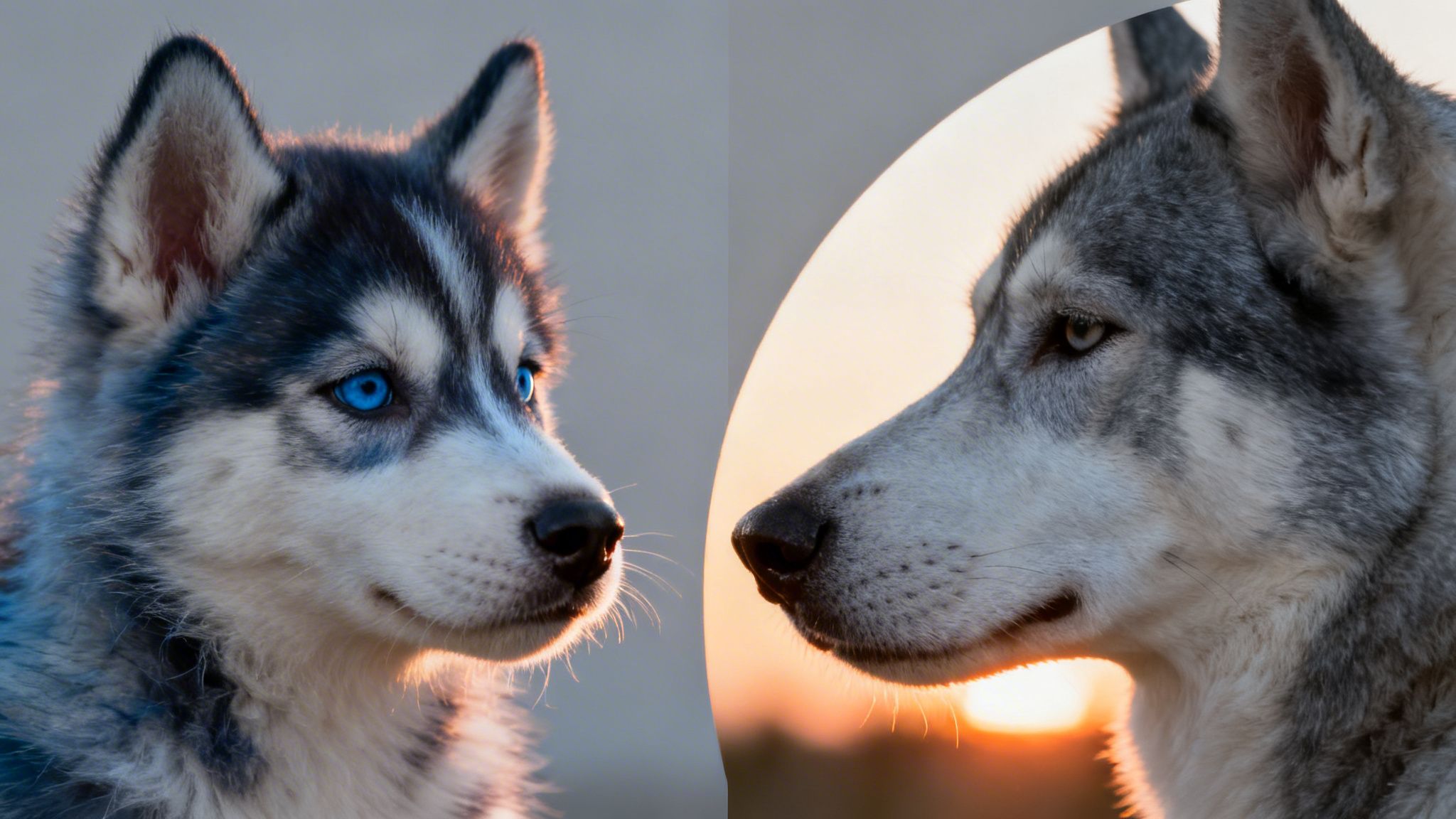
On average, a healthy Siberian Husky will be your companion for a good 12 to 14 years. It's a solid lifespan for a dog their size. With the right care and a bit of luck, it's not uncommon for these incredible dogs to push past 15, enjoying a long and adventure-filled life.
A Quick Look at Husky Lifespan
Thinking about how long your Husky might live can feel a bit abstract. To put it into perspective, here’s a quick comparison of the Siberian Husky's average lifespan against other popular breeds.
Husky Lifespan At A Glance
As you can see, Huskies hold their own, often living a bit longer than other popular large breeds like German Shepherds and Golden Retrievers. This gives you a great starting point for understanding their longevity potential.
What's Behind the Numbers?
Think of your Husky as a natural endurance athlete. They’re built for resilience, with a powerful frame and an engine that just doesn't quit. Like any athlete, their potential for a long, healthy career is amazing, but it depends entirely on their "training regimen"—the food they eat, the exercise they get, and the proactive care you provide.
While 12 to 14 years is the textbook average, the choices you make every day are what truly shape where your own dog lands on that spectrum.
Siberian Huskies vs. Alaskan Huskies
When we talk about "Huskies," it's easy to lump them all together, but there's a key difference that impacts their lifespan.
- Siberian Husky: This is the dog most people picture. As a recognized purebred, their genetic history is well-documented and consistent. This predictability is why we can confidently say their average lifespan is 12 to 14 years.
- Alaskan Husky: This isn't actually a formal breed. It’s a category of working dog bred purely for performance, often for sled racing. Their DNA is a mix of Siberian Husky, Greyhound, German Shorthaired Pointer, and other breeds, which means their health and lifespan can vary a lot more.
Because of the Siberian's consistent genetics, they are the focus of most longevity studies. For example, one major UK study looked at thousands of purebred dogs and pinned the Siberian Husky's average life expectancy at exactly 11.9 years. Interestingly, this puts them just a hair below the 12.7-year average for all purebreds but ahead of the 12-year average for mixed breeds, which really speaks to their natural hardiness. For more comparisons, you can find a lot of great data on breed longevity on Dogster.com.
The Bottom Line: A Husky's lifespan isn't just a number set in stone. It’s a partnership between their powerful genetics and the dedicated care you provide. With your help, these amazing dogs can be by your side for a decade and a half, or even longer.
What Goes Into a Long, Healthy Husky Life?
When we talk about how long a Husky might live, we're not just looking at a number. We're looking at a combination of factors you can actually influence. I like to think of it as four key areas: their genetic background, what they eat, their daily life, and the vet care they receive. Each one is a crucial piece of the puzzle for a long, happy life.
Genetics is the foundation—it's what they're born with. A good breeder gives them a great head start, but that's just the beginning. The choices you make every single day are what truly shape their future.
Their Genetic Starting Point
Every single Husky has a unique genetic makeup that can make them more or less prone to certain health issues. This is where responsible breeders make a huge difference. They screen their dogs to avoid passing down common problems, giving their pups the best possible shot at a healthy life from day one.
So, why can one Husky seem like an unstoppable athlete while another might face health hurdles on the way to their 15th birthday? A lot of it comes down to hereditary conditions. For example, breeders will screen for hip dysplasia, a condition that can affect around 12-15% of Huskies. They also look for eye problems like progressive retinal atrophy (PRA) and juvenile cataracts.
Choosing a puppy whose parents have been screened can help you sidestep these genetic landmines, sometimes adding a year or two to your dog's life. While both male and female Huskies tend to live 12-14 years, spaying or neutering can give them a real health boost by lowering the risk of certain cancers.
Good Food for a Good, Long Life
If genetics is the blueprint, then their diet is the raw material used to build a strong, healthy body. You can't overstate the importance of a balanced diet; it impacts everything from their immune system to their joints.
One of the most important things you can do is understand proper dog nutrition. For a Husky, this means high-quality protein to keep their muscles strong and essential fatty acids to keep their skin, coat, and even their brain in top shape.
This visual gives a great overview of the average Husky lifespan and shows how much of an impact great care can have.
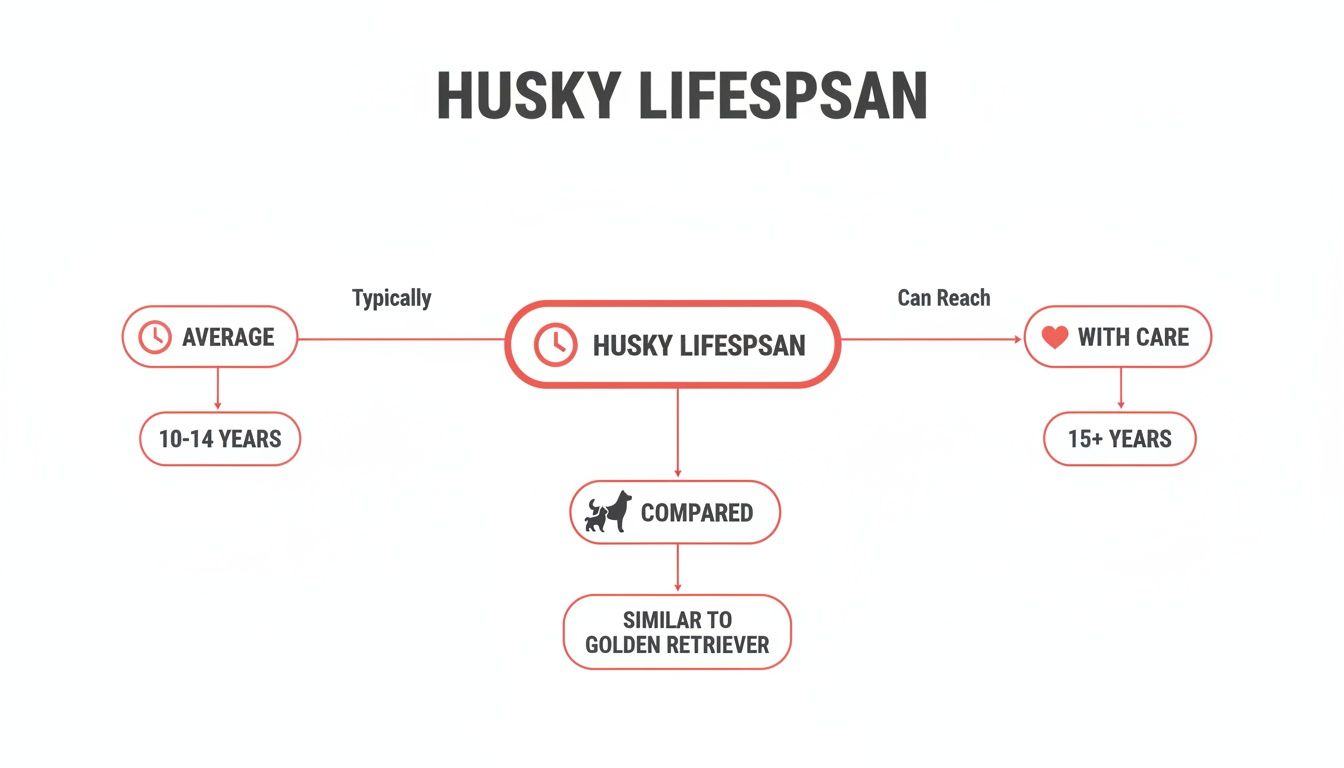
It really shows that while the average is pretty good, your dedication as an owner can help them reach their full potential.
Lifestyle and Smart Vet Care
Finally, we get to the parts where you have the most control: their lifestyle and their relationship with the vet. Huskies are dogs of action. They were literally bred to run, work, and solve problems.
For this breed, an active lifestyle isn't just a suggestion—it's a requirement. Daily exercise and mental challenges are critical for keeping them healthy and happy.
- Plenty of Exercise: Letting them run and play satisfies a deep-seated instinct. It also keeps them at a healthy weight, which takes a lot of pressure off their joints and heart.
- Mental Workouts: Puzzle toys, training sessions, and new experiences keep their sharp minds busy. A bored Husky is often a destructive Husky!
Think of regular vet check-ups as your secret weapon. These appointments let your vet spot little problems, like the first hints of arthritis or dental trouble, long before they become serious issues. Being proactive like this is one of the best things you can do to ensure your Husky has a long, wonderful life by your side.
Common Health Issues That Can Affect a Husky's Lifespan
Huskies are generally tough, healthy dogs, but like all purebreds, they have certain genetic cards they've been dealt. Knowing about these potential health issues isn't about looking for trouble—it's about being a smart, proactive owner who can spot a problem early.
Think of it like being the captain of a ship. You need to know where the hidden reefs are so you can steer clear of them. By understanding what to watch for, you can often intervene before a small issue becomes a big one that impacts their quality of life.
Many of these conditions are hereditary, which is a huge reason why finding a reputable breeder is so critical. Good breeders screen their dogs for these very issues, giving your puppy the best possible start from a genetic standpoint.
Joint and Mobility Problems
One of the most common concerns for the breed is hip dysplasia. This is basically a bad fit in the hip joint—the ball and socket just don't line up right. As your Husky moves, this "loose" joint creates friction and wears down over time, leading to painful arthritis, stiffness, and a dog who suddenly doesn't want to jump on the couch anymore.
When a Husky is in pain from their hips, they naturally become less active. This can kick off a downward spiral of weight gain, which then puts extra stress on their heart and other joints, potentially shaving years off their life. Catching and managing it early is everything.
Common Eye Conditions
Those beautiful, piercing blue eyes that Huskies are so famous for can, unfortunately, be prone to a few specific problems. A little knowledge here goes a long way in protecting their precious eyesight.
- Juvenile Cataracts: These aren't the same cataracts old dogs get. They can pop up in puppies as young as three months old, causing the lens to get cloudy and potentially leading to vision loss.
- Corneal Dystrophy: This one looks like a hazy or crystalline spot on the surface of the eye (the cornea). It doesn't usually cause pain or blindness, but it's something your vet will want to keep an eye on.
- Progressive Retinal Atrophy (PRA): PRA is a tough one. It's a genetic disease that gradually deteriorates the retina, eventually causing blindness. There's no cure, but knowing about it early helps you and your dog adapt.
Just like with people, a dog's health is a puzzle where all the pieces fit together. One problem can easily trigger another, which is why a holistic approach to their well-being is so important.
Other Health Concerns to Watch
Beyond joints and eyes, there are a couple of other things to keep on your radar. Hypothyroidism is one, where the thyroid gland slacks off and doesn't produce enough hormones. This can lead to weight gain, low energy, and skin problems, but it’s usually very manageable with a daily pill.
As they get older, other issues can surface. For example, understanding what causes urinary incontinence in dogs is key to helping them maintain their dignity and comfort in their golden years. Your best defense is always vigilance and consistent vet check-ups. They are your greatest allies in keeping your Husky happy and healthy for as long as possible.
Your Proactive Plan To Extend Your Husky's Life
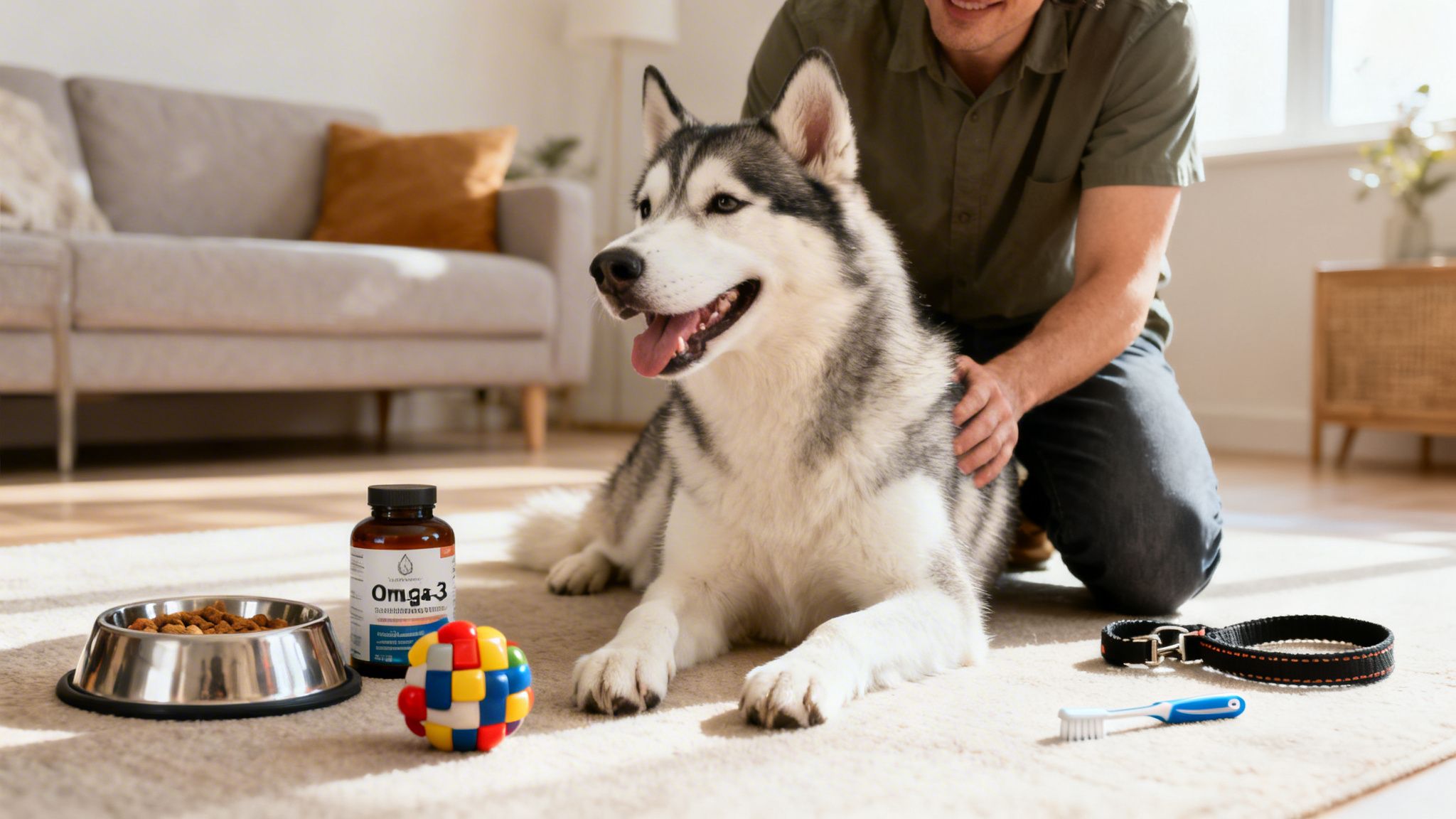
While genetics might deal the initial hand, you're the one playing the cards when it comes to your Husky's health. The choices you make every single day—what goes in their bowl, how they spend their energy, and the preventative care they receive—can absolutely shape their quality of life and add precious years to your time together.
Think of yourself as your dog's personal wellness coach. It’s your job to give them the tools, environment, and support they need to thrive, from their goofy puppy antics all the way through their calm and dignified senior years.
Fueling the Engine With Smart Nutrition
A Husky’s diet is the high-octane fuel for their high-performance body. Feeding them low-quality food is like putting cheap gas in a sports car; sure, it’ll run, but it won’t perform at its peak and will eventually cause problems down the road. High-quality, protein-rich food is simply non-negotiable for maintaining their muscle and vitality.
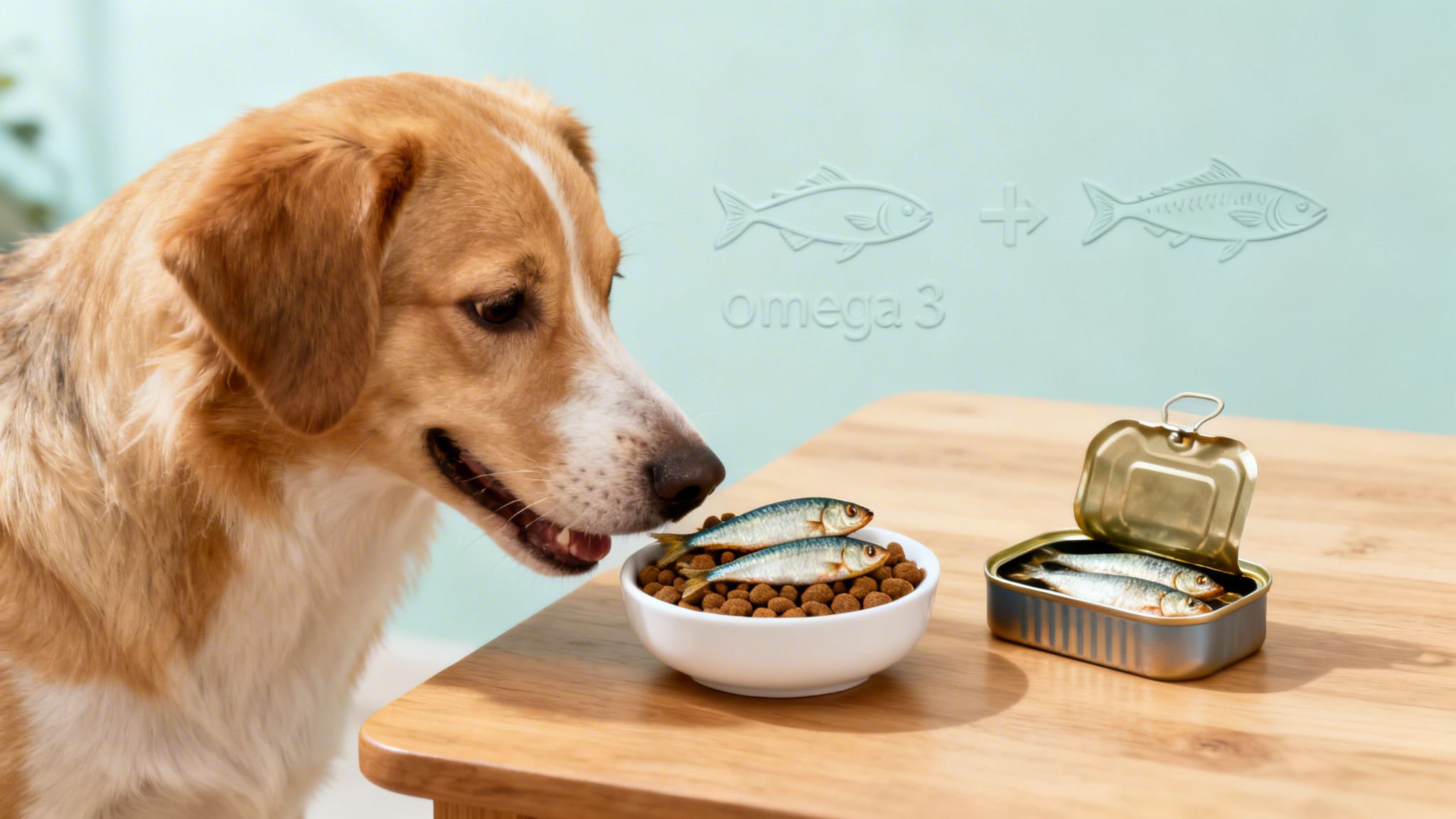
When you're checking labels, look for a named meat source as the very first ingredient. It's also a great idea to incorporate omega-3 fatty acids, often found in fish oil, to support their joints and keep inflammation down—a big deal for an active breed that can be prone to hip issues.
Unlocking a Husky's peak 12–15 year lifespan often comes down to a smart combination of diet, exercise, and vet care—keys that can add 2-4 years beyond their baseline. These remarkable athletes require between 1,200-1,800 calories daily, with protein making up 25-30% to sustain their muscle mass without leading to unhealthy weight gain. For more details on the breed's history and needs, you can explore the origins of the Siberian Husky on Wikipedia.
Matching Exercise to Their Age and Energy
For a Husky, exercise isn't just about staying fit; it's about staying sane. A tired Husky is a happy Husky, but what "tired" looks like will change dramatically over their lifetime. You have to adapt their routine to protect their body while still satisfying that deep-seated instinct to run and explore.
- Puppies (Under 1.5 years): Keep it short and sweet. Focus on frequent play sessions and avoid long, grueling runs on hard surfaces while their growth plates are still developing. Think fun, not a marathon.
- Adults (2–7 years): This is their prime. They can handle long hikes, runs, and even dog sports like skijoring or bikejoring. Aim for at least 60-90 minutes of vigorous activity every day.
- Seniors (8+ years): It's time to scale back the intensity, but not the frequency. Shorter, gentler walks, swimming, or leisurely "sniffaris" are perfect for engaging their senses without over-taxing their aging joints.
Keeping Their Intelligent Minds Sharp
A bored Husky is a recipe for a stressed, and often destructive, dog. Their intelligence is one of their defining traits, and they need regular "mental workouts" to stay balanced and content. Mental enrichment is just as vital as physical exercise for their overall health and longevity.
Even simple activities can make a world of difference. Puzzle toys that make them work for a treat, quick training sessions to learn a new trick, or even just taking a new route on your walk all help keep their minds humming. This kind of stimulation is a huge part of helping your Husky live a happy, fulfilled life.
The Surprising Power of Dental Health
It’s one of the most overlooked parts of a dog's health, but dental hygiene has a direct line to their overall longevity. Bacteria from gum disease can sneak into the bloodstream and cause serious damage to vital organs like the heart, liver, and kidneys.
Getting a simple at-home dental care routine going can be a total game-changer.
- Daily Brushing: Grab a dog-specific toothpaste and brush and give their teeth a quick clean daily, or at least a few times a week.
- Dental Chews: Offer high-quality dental chews that are designed to help scrape away plaque and tartar.
- Professional Cleanings: Listen to your vet’s advice on periodic professional cleanings to tackle the buildup you can’t see or reach.
This handy checklist brings all these concepts together, giving you a clear, actionable plan to follow.
Your Husky's Pro-Longevity Checklist
By being consistent with these simple but powerful habits, you’re not just taking care of your dog—you’re actively building a longer, healthier, and more vibrant life for your cherished companion.
Navigating Your Husky's Senior Years

As your husky hits the seven or eight-year mark, you'll start to see them enter their golden years. This new chapter isn't something to dread; it's simply a shift to a different, gentler rhythm of life. Learning to recognize the signs of aging is the key to giving them the support they need to stay happy and comfortable.
Think of it like a human athlete moving into retirement. The explosive energy might not be what it once was, but a new kind of quiet strength and wisdom takes its place. You'll notice the little things first—maybe some distinguished gray hairs around their muzzle or a walk that's more of a leisurely stroll than a determined pull.
These physical changes often come with a new daily routine. Your senior husky will likely spend more time sleeping, and you might find they’re a bit pickier about where they nap. Just like we appreciate a comfy armchair, they'll thank you for a good orthopedic bed that cushions their aging joints.
Distinguishing Aging from Ailments
As a senior dog owner, one of your most important jobs is telling the difference between normal slowing down and a sign that something is wrong. A slightly slower pace on your walks is perfectly normal. But a new reluctance to use the stairs? That could be a sign of arthritis pain. Knowing what to expect helps you catch real problems early.
Pay close attention to their behavior. A graying coat is just part of the deal, but other changes are worth a call to the vet.
- Changes in Mobility: A bit of stiffness after a long nap is one thing. A persistent limp, struggling to stand up, or suddenly refusing to jump on the couch needs to be checked out.
- Altered Appetite or Thirst: If your husky is suddenly ravenous or won't touch their food, or if they're drinking way more or less water, it can be an early warning for issues like kidney disease or diabetes.
- Behavioral Shifts: Are they getting lost in corners, showing new anxiety, or acting unusually grumpy? This could point to cognitive dysfunction, which is similar to dementia in people.
Your role shifts from being a high-energy playmate to a compassionate caregiver. The focus now is on keeping them comfortable and preserving their quality of life, making sure their senior years are full of peace, dignity, and affection.
By staying tuned in to these subtle cues, you can get ahead of health issues before they become serious. This proactive mindset is everything when it comes to helping your best friend live a long, comfortable life. Regular vet checkups—usually every six months for seniors—become non-negotiable. They allow you and your vet to work as a team, managing any age-related conditions and ensuring the answer to how long do huskies live is a story of quality, not just quantity.
A Partnership for a Long and Happy Life
When we ask how long a husky lives, the answer isn't just a number. Genetics might hand them a blueprint for a 12 to 14-year lifespan, but that’s only the starting point. The rest of the story? That’s the one you write together, day by day.
Think of your husky like the natural endurance athlete they are. They've got incredible potential, but they need a good coach—you! It's up to you to provide the right fuel, a smart training plan, and proactive care to help them go the distance and feel great doing it.
Your daily choices, from the food you put in their bowl to the adventures you go on, are what make the difference between a good life and a truly great one. The goal isn't just about adding more years, but adding more vibrant, joyful life to those years.
Ultimately, your commitment is what turns their genetic potential into a long, happy reality. By focusing on quality nutrition, consistent exercise for both body and mind, and staying on top of preventative care, you give your loyal friend the best gift possible: a rich, full life as part of your family for as long as you can.
Got Questions? We've Got Answers
Even after digging into all the details, you probably still have a few specific questions about your Husky's lifespan. Let's tackle some of the most common ones we hear from fellow Husky lovers.
Do Female Huskies Live Longer Than Males?
This is a great question, but the answer is that there's no real difference. Both male and female Huskies generally live for 12 to 14 years.
What really moves the needle on their lifespan isn't gender, but things like their genetic background, diet, exercise routine, and the quality of vet care they get. One thing to consider is that spaying or neutering can have a bigger impact, as it often lowers the risk of certain reproductive cancers down the road.
What Is The Longest A Husky Has Lived?
While the 12-14 year range is a solid average, some Huskies blow that out of the water. It’s not totally unheard of to hear stories of Huskies living to be 17 or 18 years old.
Of course, these are the exceptions, not the rule. These amazing old-timers are usually the product of a perfect combination: fantastic genetics, a top-notch diet, a lifetime of consistent exercise, and a little bit of good luck.
While official records can be tricky, some breed enthusiasts claim the oldest Siberian Husky lived to be over 20 years old. This is definitely an outlier, but it shows what’s possible with exceptional care.
When Is A Husky Considered A Senior?
You can officially start calling your Husky a "senior" around the age of seven or eight.
This is the time you might start noticing those first subtle signs of aging. Maybe their muzzle is getting a little frosty, their pace on walks isn't quite as frantic, or they're enjoying more naps in the sun. Once they hit this milestone, it's a great idea to bump up their vet visits to twice a year to stay on top of their health.

Karolis is the Founder of FORMA, a pet wellness brand focused on longevity and daily nutrition for dogs. Writes about supplements, canine health, and helping pets live longer, healthier lives
Join thousands of pet parents getting science-backed health insights and natural care advice