How to Help Your Dog Live Longer A Pet Parent's Guide
Discover how to help your dog live longer with science-backed tips on diet, preventive care, and enrichment. A practical guide for a healthier, happier pet.
When you boil it down, helping your dog live a longer, healthier life comes down to the small, consistent choices you make for them every single day. It’s a powerful combination of high-quality nutrition, smart preventive vet care, and keeping them happy and engaged, both mentally and physically. These little daily habits really do compound over a lifetime.
A Roadmap to More Time with Your Best Friend
We all wish for just a little more time with our dogs. This guide is designed to turn that wish into a plan. We'll walk through a practical, science-backed roadmap that focuses on the simple, consistent choices that can lead to a healthier, more vibrant life for your companion.
We're going to skip the generic advice and get right into the strategies that actually move the needle. Think of this as your playbook for boosting your dog's vitality and, hopefully, adding more happy years to your time together. The goal isn't just about a longer lifespan—it's about a life filled with more energy, comfort, and joy.
The most powerful tool you have for helping your dog live longer is prevention. By focusing on diet, vet care, and enrichment before problems arise, you can build a strong foundation for a long, healthy life.
The Pillars of Canine Longevity
To really make a difference, we need to look at your dog's well-being from a few different angles. There’s no single magic bullet. Instead, it’s about creating a balanced lifestyle that supports their entire system. This guide is built around these core principles:
- Nutrition and Weight Management: This is the absolute cornerstone. Keeping your dog at a lean body weight with a diet rich in high-quality, anti-inflammatory ingredients can dramatically lower their risk for a host of chronic diseases.
- Preventive Veterinary Care: Those regular check-ups are about so much more than just shots. They give your vet a chance to spot things like early dental disease or arthritis, which are far easier to manage when caught in the beginning stages.
- Mental and Physical Enrichment: A sharp mind and a fit body go hand-in-hand. Daily exercise keeps their heart strong, and mental challenges—like puzzle toys—help keep their brain sharp and can even help stave off cognitive decline.
- A Safe and Calm Environment: It's easy to overlook, but minimizing physical hazards and emotional stress is crucial. A predictable, safe home environment lowers the kind of chronic stress that can weaken a dog's immune system over time.
When you focus on all of these areas, you create a powerful synergy that supports your dog from the inside out.
Let's start with a quick overview of how these pillars fit together.
Key Pillars of Canine Longevity at a Glance
This table provides a quick snapshot of the core strategies we'll be covering to help your dog live a longer and healthier life.
Think of these pillars as the foundation for everything else we'll discuss. Now, let's dive into the details of each one.
Building a Longevity Diet One Bowl at a Time
If there’s one thing you can control that has a massive impact on your dog's long-term health, it’s what you put in their bowl every single day. Their food is the foundation for everything—it fuels their immune system, keeps their joints moving smoothly, and even supports their brain function. A thoughtful, consistent approach to nutrition is one of the most powerful tools we have to help our dogs live longer, healthier lives.
This isn't just about picking a fancy brand off the shelf. It's about building a diet that actively works to reduce inflammation and build a more resilient body from the inside out. Every small, smart choice you make at mealtime really does add up over a lifetime.
The big picture of dog longevity rests on a few key pillars, with nutrition right at the center.
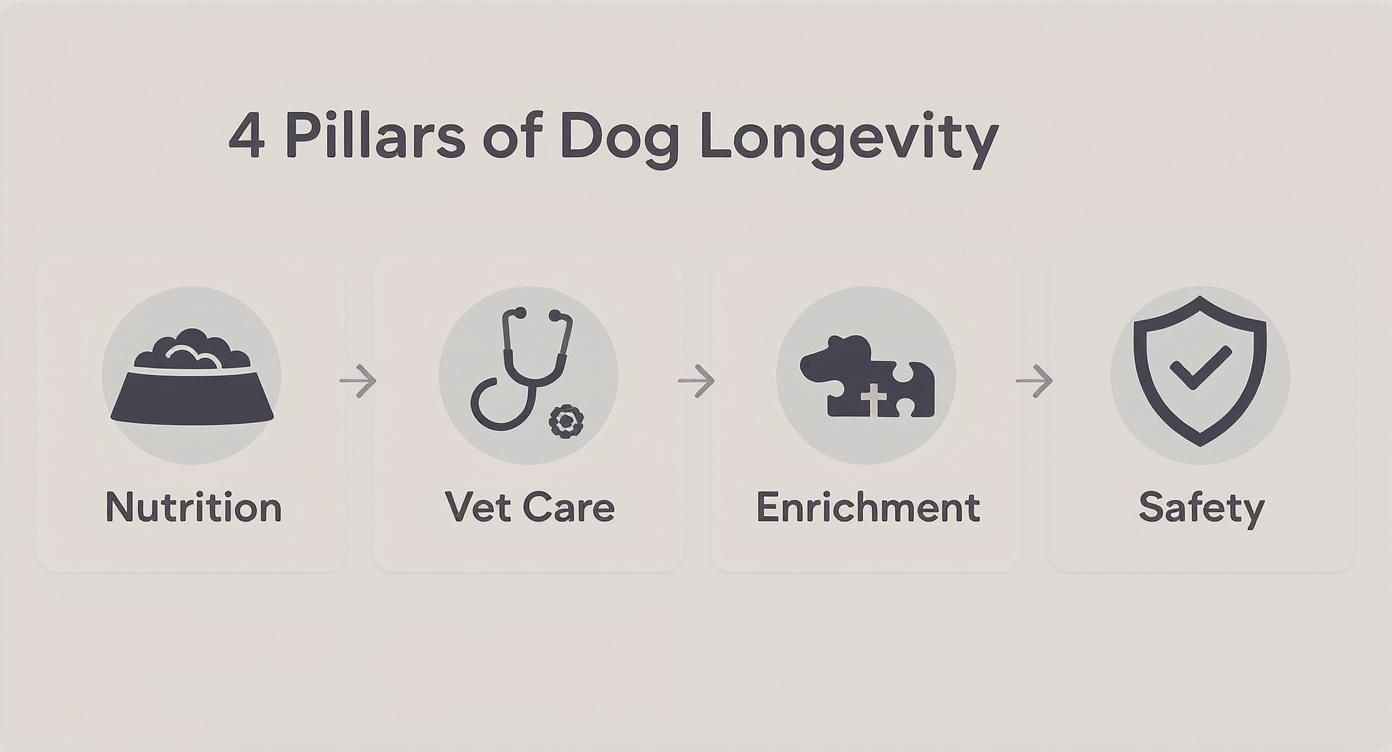
As you can see, a well-rounded lifestyle—built on solid nutrition, proactive vet care, mental enrichment, and a safe environment—is what creates a powerful recipe for a long and happy life.
Deciphering the Dog Food Label
Walking down the pet food aisle is dizzying. With buzzwords like "holistic," "natural," and "premium" plastered everywhere, it's easy to get overwhelmed. My advice? Ignore the flashy marketing on the front and turn the bag over. The ingredient list and the guaranteed analysis tell the real story.
A quality food should always list a specific, whole protein as the first ingredient. You want to see "deboned chicken," "salmon," or "beef," not vague terms like "meat by-products." This tells you the main protein source is quality muscle meat that’s easy for your dog to digest.
After that, look for whole foods like sweet potatoes, blueberries, and spinach. These ingredients provide crucial vitamins, minerals, and antioxidants that help protect their cells from damage. Steer clear of foods packed with cheap fillers like corn, wheat gluten, and anything with artificial colors or preservatives.
The Great Kibble vs. Raw Debate
The conversation around what to feed—kibble, raw, or even home-cooked—is always buzzing, and honestly, each approach has its pros and cons.
- Dry Kibble: It's the most convenient and often the most affordable option. Good-quality kibble is formulated to be complete and balanced, making it a perfectly reliable choice for many dog owners. The main drawback is that it’s highly processed and doesn't offer much moisture.
- Raw or Fresh Diets: People who feed raw often rave about the benefits they see, like healthier skin, shinier coats, and cleaner teeth. The big things to be aware of are the risk of bacterial contamination (for you and your dog) and the need to ensure the diet is perfectly balanced to meet all their nutritional requirements.
- Home-Cooked Meals: Making your dog's food gives you total control, which is fantastic for dogs with specific allergies or sensitivities. However, you absolutely must work with a veterinary nutritionist. It’s far too easy to create a diet that’s missing critical nutrients without expert guidance.
There's no single "best" diet for every dog. The right one is nutritionally complete, uses high-quality ingredients, fits your lifestyle, and—most importantly—is one your dog truly thrives on.
Why a Lean Body Weight is Non-Negotiable
One of the most critical factors for a long life in dogs is keeping them at a lean, healthy weight. It might not seem like a big deal, but even just a few extra pounds put enormous strain on their joints, heart, and other organs. It seriously increases their risk for painful conditions like arthritis, as well as diabetes and even certain cancers.
A good rule of thumb: you should be able to easily feel your dog’s ribs (but not see them sticking out) and notice a distinct "waist" when you look down at them from above. If they're looking more like a tube, it’s time to dial back the portions. Always use a measuring cup for meals—eyeballing it is a recipe for overfeeding!
Understanding Breed-Specific Longevity
It’s also smart to consider how your dog’s breed might influence their dietary needs and lifespan. A massive UK study analyzing over 580,000 dogs gave us some incredible insights here. Researchers found that small, long-nosed female dogs, on average, lived the longest with a median lifespan of 13.3 years.
On the other end of the spectrum, flat-faced (brachycephalic) breeds like bulldogs had a median lifespan of just 11.2 years and a 40% higher risk of dying earlier compared to dogs with medium-length snouts. Knowing these predispositions can help you be more proactive with their care. You can dive into the full study in Scientific Reports for a deeper look at how breed and sex affect life expectancy.
And don't forget water! Proper hydration is just as important as food. Make sure your dog always has access to fresh, clean water. You can even boost their intake by adding some wet food or a splash of water to their kibble, which is a great little trick for supporting their kidney and urinary tract health.
Proactive Vet Care for a Healthier Future
One of the biggest mindset shifts you can make for your dog's health is seeing your veterinarian as a partner in wellness, not just a first responder for emergencies. True longevity isn't about reacting to problems—it's about preventing them from ever taking hold.
When you're proactive, you can spot potential issues when they're small and manageable. This simple change turns vet visits from stressful, problem-focused events into positive check-ins that build a strong foundation for a long, vibrant life.

The Power of Annual Wellness Exams
For an adult dog, that annual check-up is probably the single most important thing you can do for their long-term health. Dogs age so much faster than we do, and a lot can change in a year. These visits give your vet a chance to do a full nose-to-tail exam, listen to their heart and lungs, and check for any new lumps or bumps.
More importantly, these regular exams establish a health baseline. When your vet knows what’s “normal” for your dog, they can spot tiny changes much earlier. This is how you catch things like early-stage kidney disease or a subtle heart murmur long before they become emergencies.
For senior dogs (usually around age seven or eight), it’s smart to bump those visits up to twice a year. Their bodies change more quickly, and semi-annual check-ups with routine blood work can act as an invaluable early warning system.
Spaying and Neutering: A Proven Path to a Longer Life
Deciding to spay or neuter your dog is one of the most significant things you can do to add years to their life. It’s not just about preventing puppies; the procedure is scientifically proven to reduce the risk of several serious health issues.
For female dogs, spaying nearly eliminates the risk of a life-threatening uterine infection called pyometra and drastically lowers her odds of developing mammary cancer. For males, neutering prevents testicular cancer and can curb behaviors like roaming, which often leads to accidents.
A massive study looking at over 2,000 dogs confirmed that spayed and neutered dogs live significantly longer than their intact peers. If you want to dive into the science, you can explore the full findings on canine life expectancy here.
Your veterinarian is your most important partner in your dog's health journey. Don’t wait for a problem to arise—use regular wellness exams to build a proactive strategy for a long and healthy life.
The Hidden Dangers of Poor Dental Health
It’s so easy to forget about your dog’s teeth, but their oral health is directly wired to their overall wellness. That plaque and tartar buildup isn't just a cosmetic problem; it's a breeding ground for nasty bacteria.
When gums become inflamed (periodontal disease), that bacteria can sneak into the bloodstream. From there, it can travel to vital organs like the heart, kidneys, and liver, causing serious and sometimes irreversible damage. This is why a dog with severe dental disease is at a much higher risk for developing heart or kidney failure—conditions that can tragically cut their life short.
Preventing this is a team effort:
- At-Home Care: Brushing their teeth a few times a week with dog-safe toothpaste is the gold standard. Dental chews can also help keep plaque at bay between brushings.
- Professional Cleanings: Your vet will check your dog's mouth at every exam and let you know when it’s time for a professional cleaning. This is the only way to safely remove tartar below the gumline and fix any painful problems.
To make this all a bit easier to track, here’s a simple checklist you can follow.
Preventive Care Checklist for Every Dog Parent
This table breaks down the key health actions and how often they should happen to keep your dog in top shape throughout their life.
This checklist isn't just a list of tasks; it's a roadmap to giving your dog the best shot at a long, happy, and comfortable life with you.
Keeping Ahead of Parasites
Consistent, year-round parasite control is completely non-negotiable. Fleas, ticks, and internal parasites aren't just gross—they are vectors for dangerous diseases. Ticks can pass on Lyme disease, and fleas can cause severe anemia and transmit tapeworms.
Heartworm disease, which is spread by a single mosquito bite, is especially devastating and often fatal if not caught very early. Thankfully, all these threats are easily managed with modern monthly preventatives. Your vet can help you pick the right one based on where you live and your dog's lifestyle, giving you a simple way to shield them from a world of harm.
4. Enrich Your Dog’s Mind and Body
A long life is great, but a long, happy life is what we’re all really after. We tend to focus on the big things like vet visits and nutrition, but the day-to-day joy, movement, and mental challenges your dog experiences are just as crucial for a vibrant, healthy future.
This goes way beyond just tossing a ball in the yard. It’s about being thoughtful in how we keep their bodies strong and their minds sharp. A dog that’s physically and mentally engaged is almost always a calmer, healthier dog—one that’s better equipped to handle stress and stay resilient with age.
Tailor Exercise to Your Dog
One-size-fits-all exercise just doesn't work for dogs. The high-impact sprints that a young Border Collie lives for could seriously injure a senior Great Dane. The secret is matching the activity to your dog's age, breed, and individual health needs.
A young, high-octane dog might need:
- Structured runs or bike rides to burn off that boundless energy safely.
- Agility training to challenge both their body and their brain.
- Intense games of fetch or flirt pole sessions in a secure, fenced-in area.
On the flip side, an older dog or a brachycephalic (flat-faced) breed needs a much gentler approach to protect their joints and prevent overheating. Think low-impact:
- Leisurely walks where sniffing is the main event, not speed.
- Swimming, which is absolutely fantastic for building muscle without putting any stress on the joints.
- Gentle indoor games like "find it" to keep them moving without overdoing it.
Genetics also play a huge part. Groundbreaking research from the UK's Royal Veterinary College, which looked at over 30,000 dogs, really drives this point home. The study revealed that terrier breeds had the longest average life expectancy at 12 years, while some flat-faced breeds like French Bulldogs had a life expectancy as low as 4.5 years. Understanding these breed-specific realities helps you make smarter, safer choices for their daily activity. You can learn more about the study’s findings on dog life expectancy directly from the source.
Why a Busy Brain Is a Healthy Brain
Mental enrichment is the other half of this wellness puzzle. A bored dog is often a stressed dog, and chronic stress floods their system with hormones like cortisol. Over time, that can weaken their immune system and contribute to all sorts of physical health problems.
Keeping their mind active is a powerful way to combat this. It gives them a positive outlet for their natural instincts—sniffing, problem-solving, chewing—which can slash anxiety levels and prevent the destructive behaviors that often pop up when a dog has nothing to do.
Think of mental enrichment as CrossFit for your dog’s brain. It builds new neural pathways, keeps their problem-solving skills sharp, and is a crucial tool for staving off cognitive decline in their senior years.
Simple Ways to Boost Mental Stimulation
You don’t need a bunch of expensive, complicated gadgets to keep your dog's mind busy. Weaving small challenges into their daily routine can make all the difference.
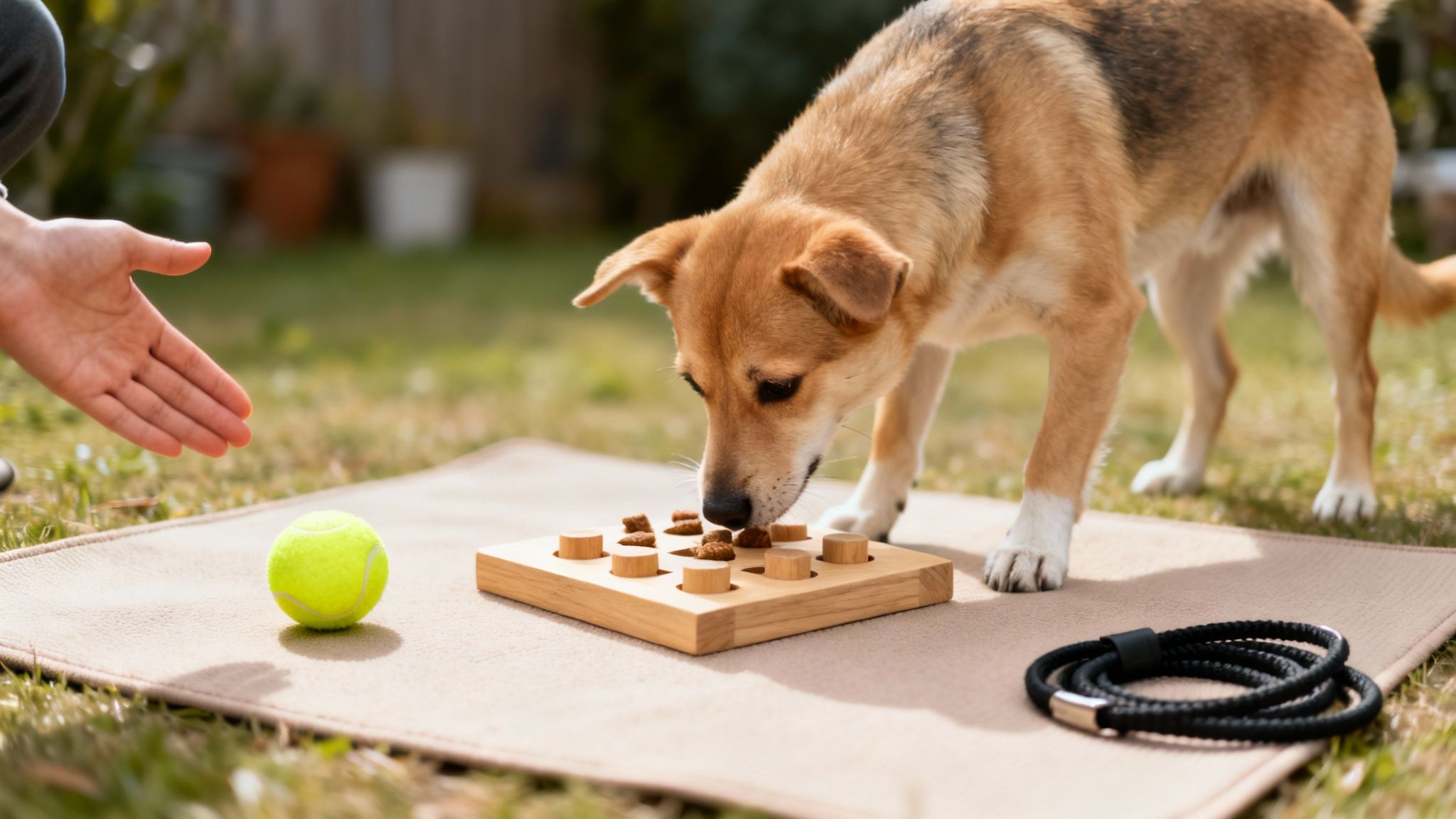
- Ditch the Food Bowl: Don't just hand over their meals. Use a puzzle feeder or a snuffle mat instead. This turns a two-minute meal into a 15-minute brain game that satisfies their natural urge to forage.
- Teach a New Trick: Just five minutes a day spent teaching a new skill—whether it’s a simple "shake" or a more complex "roll over"—strengthens your bond and gives their brain a workout.
- Let Them Sniff: On your next walk, let your dog lead the way. A "sniffari," where they get to stop and investigate every interesting smell, is incredibly enriching. Their nose is how they see the world, and processing all that information is mentally exhausting in the best possible way.
Even rotating their toys works wonders. Instead of leaving all their toys out at once, keep most of them put away and swap them out every few days. Reintroducing a toy they haven't seen in a week makes it feel brand new all over again.
Creating a Safe and Low-Stress Home Environment
Your dog’s home is their whole world. A safe, predictable environment does more than just keep them out of trouble—it has a profound effect on their long-term health, shaping everything from their physical safety to their emotional resilience. It's one of the most hands-on ways to help your dog live longer by cutting down on both accidental injuries and the invisible damage caused by chronic stress.
First, we'll tackle the physical space, turning your home into a secure haven by neutralizing common household dangers. Then, we’ll dive into the equally important emotional side of things, looking at how a calm routine and a solid bond can build a foundation of security that lasts a lifetime.
Dog-Proofing for Lifelong Safety
Accidents are a fact of life, but a thoughtful sweep of your home can prevent many of the most common—and dangerous—ones. And this isn't just for puppies. A bored or curious adult dog can get into plenty of trouble. Think of it as creating a permanently safe space where they can relax without you having to watch them like a hawk.
The best way to start? Get on their level. Literally. Crawl around on your hands and knees and see the world from their perspective. You’ll be amazed at what you find, from tempting electrical cords dangling just right to small objects that have rolled under the sofa.
Here are the key hot spots to focus on:
- Toxic Plants and Foods: So many common houseplants—like lilies, tulips, and sago palms—are highly toxic to dogs. You can find a comprehensive list on the ASPCA's website. At the same time, make sure all human foods that are dangerous for dogs are locked away. Things like chocolate, grapes, onions, and anything with the sweetener xylitol need to be kept completely out of reach.
- Chemicals and Medications: Store all cleaning supplies, antifreeze, pesticides, and medications (for both humans and pets) in locked cabinets or on high shelves. A single spilled bottle of pills can be fatal.
- Secure Trash Cans: To a dog's nose, the trash is a treasure chest. Unfortunately, it's often filled with food scraps, sharp objects, and other hazards. Invest in cans with heavy, secure lids to stop any dumpster-diving expeditions.
Putting in this effort upfront pays off for years. It dramatically reduces the risk of a frantic, expensive trip to the emergency vet and gives you invaluable peace of mind.
Building an Emotionally Secure Environment
Beyond physical safety, a dog's emotional well-being is a huge piece of the health puzzle. Chronic stress and anxiety can hammer their immune system and lead to all sorts of behavioral issues. The best antidote is a calm, predictable home environment.
One of the most powerful tools for this is a consistent daily routine. Dogs are creatures of habit; they thrive on knowing what to expect. Having set times for meals, walks, and playtime helps them feel secure because they understand the rhythm of their day.
A predictable routine is like a security blanket for your dog. It removes uncertainty from their world, which dramatically lowers background stress and allows them to truly relax and thrive.
Recognizing and Reducing Stress Signals
To help your dog, you first need to speak their language. Dogs communicate their anxiety through subtle body language that humans often misinterpret or miss entirely. Learning to read these signals means you can step in before their stress spirals.
Look for these common signs of stress:
- Lip Licking and Yawning: When they aren't tired or hungry, these are classic signs of discomfort.
- "Whale Eye": If you can see the whites of their eyes, it's a clear indicator of anxiety.
- Panting and Pacing: When it’s not hot out and they haven't just exercised, this often points to stress.
- Tucked Tail and Pinned Ears: These are textbook signals that your dog feels threatened or scared.
When you spot these signs, the best thing you can do is get your dog out of whatever situation is causing them stress. Forcing them to "deal with it" usually just makes their anxiety worse.
Instead, create a dedicated safe space for them in your home. This could be a crate with a comfy bed and a favorite toy, or even just a quiet corner where they know they will never be bothered. This gives them a place to retreat and decompress on their own terms, which is a massive boost to their confidence and overall sense of security.
Got Questions About Helping Your Dog Live Longer? We’ve Got Answers.
When you start digging into how to give your dog a longer, healthier life, it’s easy to get overwhelmed. The internet is a sea of conflicting advice, and it's tough to figure out what actually works. That's why we’ve gathered some of the most common questions we hear from dog owners just like you.
We’re going to cut through the noise and give you clear, straight-up answers on everything from supplements to the real reason small dogs often outlive big ones. Think of this as your practical guide to making smart choices for your best friend.
Do Supplements Really Help a Dog Live Longer?
This is a big one, and the honest answer is: it's complicated. There’s no magic pill that will make your dog immortal, but the right supplements can be powerful tools in your toolkit. The key is to think of them as boosters for a healthy lifestyle, not a quick fix for a poor diet or a couch-potato routine.
For instance, certain ingredients have a ton of research behind them for targeting common health issues that pop up over time:
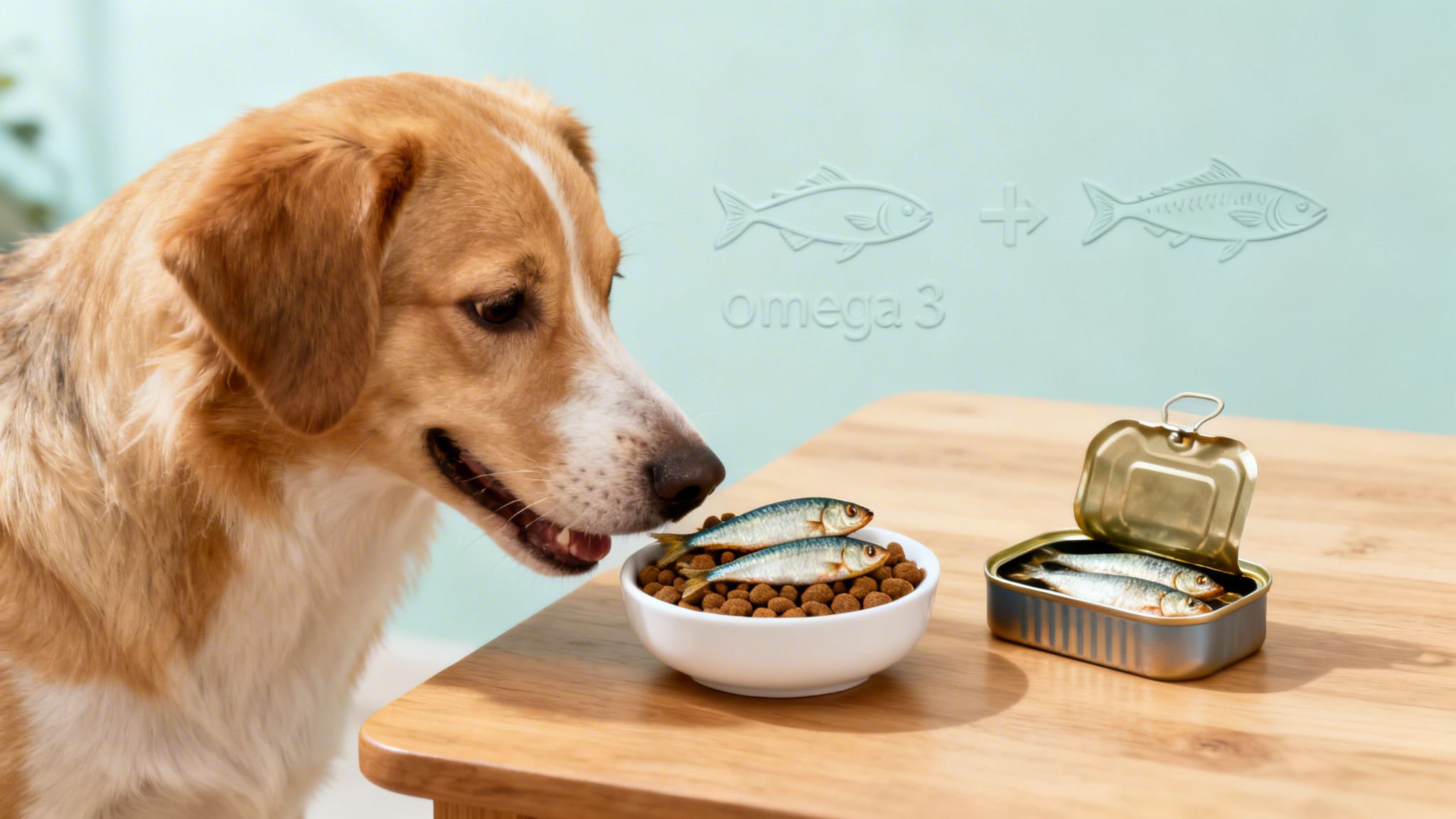
- Omega-3 Fatty Acids: Sourced from things like fish oil, these are incredible for taming inflammation, which is a major driver of aging and disease. They’re great for everything from achy joints to keeping their skin and coat looking fantastic.
- Glucosamine and Chondroitin: These are basically the building blocks for healthy cartilage. For older dogs or any breed known for joint problems, they can be a game-changer for staying mobile and comfortable.
- Probiotics and Prebiotics: A happy gut is central to a strong immune system. These little helpers support the good bacteria in your dog's digestive system, improving how they absorb nutrients and boosting their overall wellness.
But here’s the most important part: supplements aren't a one-size-fits-all solution. Always, always chat with your vet before adding something new to the mix. They’ll help you pick a reputable, human-grade product like FORMA's daily superfood chews, nail down the right dose, and make sure it doesn’t clash with any medications your dog is already on.
Is It True That Small Dogs Live Longer Than Big Dogs?
Yes, this one is pretty well-documented in the dog world. It’s one of those rare times where being smaller is a huge advantage when it comes to lifespan. It’s not uncommon to see a tiny Chihuahua or Toy Poodle cruising well into their teens, sometimes even hitting 15 years or more.
On the flip side, gentle giants like Great Danes and Mastiffs often have much shorter lives, typically around 7 to 10 years. Why the big difference? Scientists think it’s tied to their incredibly fast growth rate. Getting that big, that fast, puts a massive amount of strain on their bodies. It can lead to a higher risk of health problems, like certain cancers and heart conditions, appearing much earlier in life. Their bodies essentially burn bright and fast.
But remember, these are just averages. A well-cared-for large dog with great genes can absolutely outlive a small dog with a poor diet and lifestyle. How you care for them is the great equalizer, no matter their size.
So, When Is My Dog Officially a "Senior"?
Figuring out when your dog hits their golden years is crucial because their needs start to change. There isn't a magic number—it all comes down to their breed and size. Like we just talked about, dogs of different sizes age at completely different speeds.
Here’s a simple breakdown to go by:
- Small Breeds (under 20 lbs): They’re usually considered seniors around 9-11 years old.
- Medium Breeds (20-50 lbs): They tend to enter their senior years around 8-10 years old.
- Large & Giant Breeds (over 50 lbs): These big pups can be seniors as early as 6-7 years old.
Once your dog steps into this new life stage, a few simple adjustments can make a world of difference. It's a great idea to bump up their vet check-ups to twice a year to catch age-related issues before they become big problems. You might also want to look into a senior-specific dog food, which is often lower in calories to keep weight in check and might have extra goodies for joint support.
And finally, become a detective. Keep a close eye on the little things—subtle changes in their energy, how they get up from a nap, or how much they’re eating. These are often the first signs that something is shifting, giving you a head start on keeping their senior years as happy and comfortable as possible.

Karolis is the Founder of FORMA, a pet wellness brand focused on longevity and daily nutrition for dogs. Writes about supplements, canine health, and helping pets live longer, healthier lives
Join thousands of pet parents getting science-backed health insights and natural care advice