How to Prevent Cancer in Dogs A Vet-Informed Guide
Discover actionable, vet-informed tips on how to prevent cancer in dogs through diet, lifestyle, and early detection. Your guide to canine longevity.

There’s no magic bullet for preventing cancer in our dogs, but the single best strategy we have is a comprehensive one. It's about combining several key lifestyle habits: a nutrient-dense, anti-inflammatory diet, keeping them at a healthy, lean weight, limiting their contact with environmental toxins, and staying on top of regular veterinary care.
When you weave these practices into your daily life, you build a powerful defense system for your dog's long-term health.
A Proactive Approach to Your Dog's Long-Term Health
The thought of cancer is scary for any dog owner, especially when you learn it's a leading cause of death in senior dogs. But here’s the good news: we aren't powerless. This guide is all about shifting that fear into action, focusing on practical, everyday things you can do to protect your best friend.

We'll dig into the cornerstones of cancer prevention—what you feed your dog, how you manage their weight, ways to reduce toxins in their world, the timing of spaying or neutering, and the importance of routine vet check-ups. While genetics certainly play a part, so much of your dog's health is directly in your hands.
Shifting from Reactive to Proactive Care
Waiting for a problem to show up before you act is a reactive approach. Proactive care is the opposite. It’s about making intentional choices every single day that bolster your dog’s natural ability to fight off disease. You're essentially building a more resilient body, one that's less likely to be affected by cancer triggers.
This change in mindset is everything. Instead of simply treating sickness when it happens, you're actively creating wellness. Think of it like tending to a garden. You don’t just yank out weeds after they’ve taken over; you enrich the soil, provide sunlight, and water consistently to help strong, healthy plants flourish.
The goal is to create an internal and external environment for your dog that discourages cancer from ever taking hold. Small, consistent choices can build a strong foundation for long-term health, empowering you to take charge of your dog's well-being from day one.
The Core Pillars of Prevention
The first step in understanding how to prevent cancer in dogs is realizing that everything is connected. A healthy diet supports a healthy immune system, which is then bolstered by regular exercise, and so on. Each element reinforces the others, creating a powerful, cumulative effect.
To give you a clear roadmap, this guide is built around these core pillars. Here’s a quick look at what’s inside:
- Nutrition and Diet: Fueling your dog with anti-inflammatory foods that support healthy cells.
- Weight and Exercise: Keeping your dog lean to minimize chronic inflammation, a known risk factor for cancer.
- Environmental Factors: Spotting and reducing common carcinogens in your home, yard, and daily routine.
- Spaying and Neutering: Making informed decisions about these procedures to significantly lower the risk of certain cancers.
- Early Detection: Mastering regular at-home checks and learning to spot the subtle early warning signs.
This guide gives you the game plan. By focusing on these actionable areas, you can give your dog the best possible chance at a long, vibrant, and healthy life. Let's start building that foundation.
Key Pillars of Dog Cancer Prevention at a Glance
This table summarizes the core strategies discussed in this guide, giving you a quick, actionable overview of how to protect your dog.
By integrating these pillars into your dog's routine, you're not just hoping for the best—you're actively building a healthier future for them.
The Role of Anti-Cancer Nutrition for Dogs
What you put in your dog’s bowl every day is one of the most powerful tools you have to protect their long-term health. Nutrition isn't just about calories; it’s about giving their body the right building blocks for a tough, resilient immune system. Moving away from a "just-the-basics" kibble to a diet packed with anti-inflammatory and antioxidant foods can make a huge difference.

This doesn't mean you need to start cooking complicated, five-course meals for your pup. It's really about understanding how certain foods can actively shield your dog's cells from damage. The goal is to create an internal environment where it's much harder for cancer to get a foothold.
Fueling a Stronger Immune System
Think of your dog’s immune system as a 24/7 security detail, constantly on patrol for threats like abnormal cells. A diet missing key nutrients is like sending that team out with faulty equipment. On the other hand, a nutrient-dense diet gives them everything they need to do their job right.
The reality of canine cancer is sobering. With an estimated 1.4 million new diagnoses in U.S. dogs each year and about one in three dogs affected in their lifetime, it’s clear that lifestyle factors like diet matter. Research shows that antioxidants, omega-3 fatty acids, and other powerful compounds in whole foods can lower cancer risk by fighting off inflammation and oxidative stress—two of the main culprits behind the disease.
Decoding Oxidative Stress and Inflammation
To really get why certain foods are so helpful, we need to touch on two big concepts: oxidative stress and chronic inflammation.
You can think of oxidative stress as "rust" on a cellular level. It happens when unstable molecules called free radicals bounce around, damaging cells and even their DNA. Over time, this damage can cause mutations that might turn cancerous.
Chronic inflammation is a bit different. It’s a constant, low-level immune response that never quite shuts off. While a little inflammation is good for healing a cut, this long-term version creates the perfect environment for cancer cells to grow and spread. Unfortunately, many heavily processed dog foods, full of refined grains and unhealthy fats, can fuel this exact problem.
By choosing foods that actively fight both oxidative stress and inflammation, you’re giving your dog’s body a daily defense against the very processes that can start cancer. This is proactive, preventative nutrition in action.
Building an Anti-Cancer Food Bowl
Creating a diet that helps protect your dog is all about focusing on high-quality, whole-food ingredients. It’s less about a specific brand and more about what’s in the food.
Here are the key things to look for:
- High-Quality Protein: The label should list a named meat source, like chicken, beef, or fish, as the very first ingredient. Protein provides the essential amino acids that keep the immune system and muscles strong.
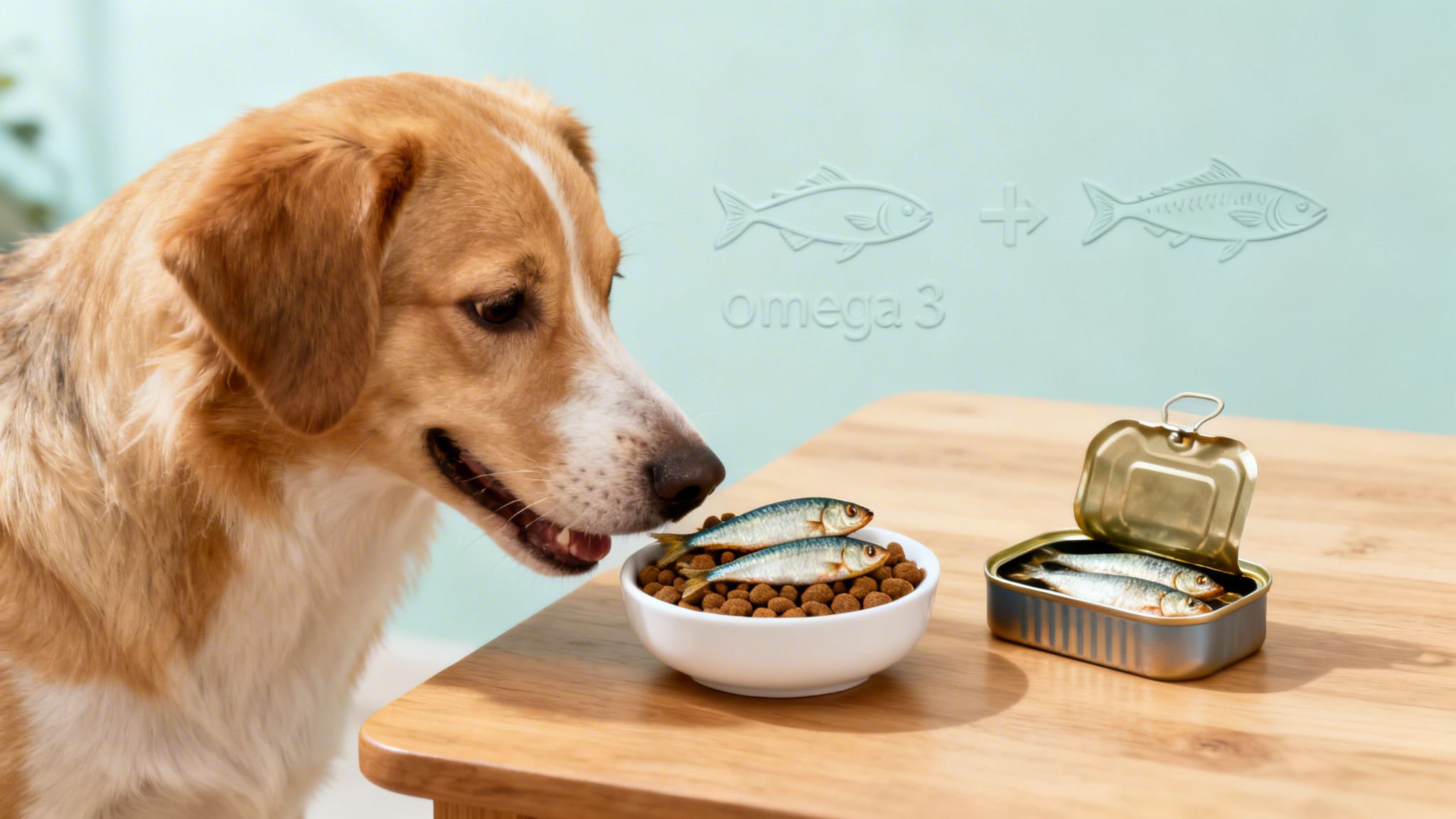
- Healthy Fats (Omega-3s): Fats from sources like fish oil, flaxseed, and chia seeds are fantastic anti-inflammatories. They help balance out the pro-inflammatory omega-6 fats that are often too high in processed foods.
- Antioxidant-Rich Veggies and Fruits: Colorful produce is your best friend here. Think dark leafy greens like spinach, bright orange carrots, and deep-blue blueberries. Cruciferous vegetables like broccoli are also powerhouses.
If you're adding fresh foods to your dog's bowl, it's a good idea to learn about removing pesticides from fruits and vegetables to cut down their exposure to unnecessary chemicals.
What to Avoid in Your Dog's Diet
What you leave out of the bowl is just as important as what you put in. Learning to read dog food labels is a non-negotiable skill for any proactive pet parent. Be on the lookout for vague ingredient lists, chemical preservatives, and cheap fillers.
Keep an eye out for these red flags:
- Artificial Preservatives: Chemicals like BHA, BHT, and ethoxyquin have been linked to health issues.
- Artificial Colors and Flavors: They add zero nutritional value and just introduce more chemicals.
- Meat By-Products or Generic "Meat" Meal: These are often low-quality, mystery-meat protein sources.
- Excessive Fillers: Ingredients like corn, wheat, and soy are often used to bulk up food cheaply but can be inflammatory for many dogs.
The Role of Supplements in Filling Nutritional Gaps
Even with a fantastic diet, nutritional gaps can pop up. Modern farming practices have left much of our soil depleted of key minerals, and even high-quality commercial foods lose some nutrients during processing. This is where a smart, targeted supplement can make a real impact.
A daily superfood chew, for instance, can deliver a concentrated dose of key anti-inflammatory and immune-boosting ingredients. It’s an easy way to ensure your dog gets those vital, science-backed nutrients that might be missing from their food. Think of it as a daily insurance policy for their cellular health—a simple addition that keeps their internal defense system armed and ready.
Lifestyle Choices That Reduce Canine Cancer Risk
A holistic approach to your dog’s health goes way beyond what’s in their food bowl. While nutrition is a massive piece of the puzzle, the daily choices we make create the environment where our dogs’ bodies either thrive or struggle. By focusing on their weight, exercise, and exposure to toxins, you can have a powerful, positive influence on their long-term wellness.
These factors all work together to keep chronic inflammation at bay and reduce the overall burden on their immune system. Honestly, giving them a better shot at a long, vibrant life often comes down to the small, consistent things you do every day.
The Critical Role of a Lean Body Weight
If I could give dog owners one piece of advice for preventing cancer, it would be this: keep your dog lean. It’s arguably one of the most impactful things you can do. More than half of all dogs in North America are overweight or obese, and the consequences are far more serious than just sore joints or moving a bit slower.
Excess body fat isn't just dead weight; it acts like an endocrine organ, constantly pumping out inflammatory hormones. This process creates a state of chronic, low-grade inflammation throughout the body—a well-known runway for many types of cancer.
A dog at a healthy weight has a much calmer internal environment, with fewer of the inflammatory signals that can tell abnormal cells to start growing. This factor is so important that keeping a dog lean is a top priority in any cancer prevention strategy I discuss with clients.
Practical Steps for Weight Management
The good news is that keeping your dog at a healthy weight doesn’t require some complicated, restrictive plan. It really just boils down to two things you have direct control over every single day: mindful feeding and consistent movement.
- Proper Portion Control: Don't just eyeball it! Use an actual measuring cup and start with the feeding guidelines on your dog’s food. You’ll likely need to adjust up or down based on their real-world activity level and body condition.
- Know Their Body Condition Score: Get hands-on with your dog. You should be able to easily feel their ribs under a thin layer of covering, and when you look down at them from above, you should see a clear, defined waist.
- Limit High-Calorie Treats: Many commercial treats are just junk food for dogs, loaded with sugar and fat. Switch to healthier options like baby carrots, green beans, or tiny pieces of lean meat. If you’re using treats for training, remember to subtract those calories from their daily meals.
A few extra pounds on a small dog is the equivalent of a person gaining a significant amount of weight. Maintaining a lean body is a daily act of love that directly contributes to a longer, healthier life.
Creating a Cancer-Safe Home Environment
Our modern world is full of chemicals, and many of them find their way into our homes and, by extension, our dogs. They are especially vulnerable because they live so close to the ground—they roll on our carpets, walk on our floors, and then lick their paws, ingesting whatever they’ve picked up.
Reducing your dog’s exposure to environmental toxins is a practical and crucial step in lowering their cancer risk. Many everyday household products contain known or suspected carcinogens, so the goal is to identify these sources and swap them for safer alternatives.
Identifying and Removing Household Carcinogens
You don’t have to live in a sterile bubble, but making a few conscious swaps can drastically cut down on your dog’s daily chemical load. Start by taking a look at the products you use most often in the spaces where your dog spends their time.
Here’s a quick checklist of the most common culprits to tackle:
- Chemical Lawn and Garden Products: Herbicides and pesticides are a huge source of exposure. Dogs absorb these chemicals right through their paw pads or by chewing on treated grass. Always opt for pet-safe, natural lawn care.
- Harsh Cleaning Products: So many common cleaners contain nasty stuff like ammonia, bleach, and phthalates. When your dog snoozes on a freshly mopped floor, they’re soaking those residues right up. Switch to simple, effective cleaners made from vinegar and water, or look for certified pet-safe brands.
- Secondhand and Thirdhand Smoke: We all know the link between smoking and cancer, and that risk absolutely extends to our pets. Secondhand smoke is a direct threat, but thirdhand smoke—the nasty residue that clings to furniture, carpets, and walls—can be just as bad when a dog licks surfaces or their own fur.
- Air Fresheners and Scented Candles: Those plug-in air fresheners and many synthetic candles release volatile organic compounds (VOCs) into the air. Inhaling that all day isn't good for anyone. Choose natural alternatives like an essential oil diffuser (with pet-safe oils only!) or just open a window for some fresh air.
By systematically reducing these exposures, you create a healthier space for everyone in the family, two-legged and four-legged alike. Every small change you make adds up to a much lower toxic burden for your dog's body to handle.
The Spay and Neuter Conversation: A Big Decision for Cancer Prevention
Deciding whether and when to spay or neuter your dog is one of the most important health decisions you'll ever make for them. It goes way beyond preventing surprise litters—it’s one of the most powerful tools we have for preventing certain types of cancer.
The timing of the procedure can literally change your dog's future health outlook, especially when it comes to cancers fueled by reproductive hormones. Let's break down what that really means.
How Spaying Dramatically Lowers Cancer Risk in Female Dogs
For female dogs, the link between spaying and cancer prevention is crystal clear, particularly with mammary (breast) tumors. These are unfortunately common, and they are often malignant. Their growth is directly fed by the hormonal surges that happen during a heat cycle.
Every time an unspayed female goes into heat, her body is flooded with hormones that can encourage abnormal cell growth in her mammary glands. The good news is we can largely prevent this.
The protection is all about timing. If you spay a female dog before her very first heat cycle, her risk of developing mammary tumors drops by an incredible 99%. That’s almost a guarantee.
Waiting until after her first heat but before her second still offers fantastic protection, reducing the risk by about 91%. You can dig into the research on these findings, but the takeaway is clear. After a dog has had multiple heat cycles, much of this preventative benefit is gone.
Spaying isn't just a minor tweak to their odds—it's one of the single most effective cancer prevention moves you can make for a female dog. The science is undeniable: avoiding those early hormonal cycles gives them a lifetime of protection.
Spaying also completely removes the possibility of ovarian and uterine cancers. While they're less common than mammary tumors, they can be aggressive and are often found too late. By removing the organs, you remove the risk.
Neutering Your Male Dog for a Healthier Future
The benefits for male dogs are just as compelling. Neutering (removing the testicles) eliminates the risk of testicular cancer—one of the most common cancers found in older, intact male dogs.
While the cure rate is high when it's caught early, treating it involves a more complicated surgery than a simple, preventative neuter when they're young and healthy.
Neutering also takes care of other health headaches. It significantly reduces the risk of non-cancerous but painful prostate problems like benign prostatic hyperplasia (BPH), which causes major discomfort and urination issues in older dogs. It also helps prevent perianal tumors, which are hormone-driven growths around the anus.
It's All in the Timing
For years, the standard advice was simple: spay or neuter your pup at six months old. But we know more now. Recent studies have shown that for some large and giant breeds, waiting a bit longer—until they’ve finished growing—might lower their risk for certain joint problems and even some other cancers, like bone cancer (osteosarcoma).
This is exactly why there’s no longer a "one-size-fits-all" answer. The right time for your dog depends on a real conversation with your vet, weighing all the factors.
- Breed and Size: A Great Dane’s growth plates close much later than a Chihuahua's. The risks and benefits are completely different.
- Individual Health: Does your dog have any other health issues? That might shift the ideal timeline for surgery.
- Lifestyle: If your dog is a social butterfly at the dog park, the risk of an accidental pregnancy might push the decision to spay sooner.
Ultimately, deciding on spaying or neutering, and especially when to do it, is a cornerstone of a proactive cancer prevention plan. By working with your vet, you can make a choice that gives your dog the best shot at a long, vibrant, and healthy life.
Early Detection and Proactive Vet Care
While all the lifestyle changes we’ve talked about are your first line of defense, early detection is your secret weapon. Catching cancer early massively improves the odds of successful treatment and gives your dog a much better quality of life. This is where you, as their closest companion, play the most important role.
You know your dog better than anyone. You know their quirks, their habits, and their favorite napping spots. By learning to spot the subtle shifts in their body and behavior, you become the expert in noticing when something just isn't right.
Master the At-Home 'Lump and Bump' Check
One of the easiest and most effective habits you can build is a monthly at-home exam. Think of it as a loving, full-body massage with a clear purpose. It only takes a few minutes, and it helps you create a mental map of what’s normal for your dog’s body, making anything new or different stand out immediately.
Find a quiet moment when your dog is relaxed and happy. Start at their head and slowly work your way down to their tail, making sure you don't miss any spots in between.
What to feel for during your check:
- New Lumps or Bumps: Take note of the size, shape, and feel of any new growths, whether they're on the skin or just underneath.
- Sores That Won't Heal: Any scab, sore, or irritated patch that just isn’t getting better needs a closer look from your vet.
- Changes in Existing Growths: Has that little lump you've been watching suddenly gotten bigger, changed color, or started to bug your dog?
- Swelling or Tenderness: Pay close attention to any unusual swelling, especially around the joints or lymph nodes (you can find these under the jaw, in front of the shoulders, and behind the knees).
This regular hands-on check turns you into the first line of defense. When you find something, you can get it checked out right away instead of wondering how long it's been there.
Recognizing the Subtle Early Warning Signs
Cancer can be sneaky. Its early symptoms are often quiet and easy to write off as just "getting older." But knowing what to look for can make all the difference, since many cancers are much more treatable when they're found before a dog seems truly sick.
Keep an eye out for these potential red flags:
- Unexplained Weight Loss: If your dog is slimming down but you haven't changed their food or exercise, it's a major warning sign.
- Changes in Appetite: This could be a sudden lack of interest in food or, less often, a sudden ravenous hunger.
- Lethargy or Low Energy: A noticeable dip in your dog's usual stamina that isn't just from a hot day or an extra-long walk.
- Persistent Cough or Trouble Breathing: Any respiratory issue that lingers needs to be checked out.
- Difficulty Eating or Swallowing: This can point to a problem in the mouth or throat.
Being proactive also means making smart decisions about your pet's overall health. For example, understanding safe eye care practices and knowing when to call a professional is far better than grabbing an over-the-counter product that could do more harm than good.
The image below shows just how impactful a proactive decision like spaying or neutering can be in preventing certain types of cancer.

Spaying or neutering your dog, especially early on, can nearly eliminate their risk for common reproductive cancers.
The Power of Regular Veterinary Wellness Exams
Your veterinarian is your most critical partner in keeping your dog healthy. For adult dogs, annual wellness exams are a must. But as your dog gets into their golden years, it's wise to ramp things up a bit.
For senior dogs (usually age seven and older), switching to twice-a-year wellness exams is one of the best investments you can make. These semi-annual check-ups double the chances of catching a problem early.
During these visits, your vet does more than just give shots. They perform a thorough physical exam and may recommend blood work or a urinalysis. These screenings can uncover hidden issues long before your dog shows any signs of feeling sick.
It's also the perfect time to bring up those little changes you've noticed at home. You and your vet are a team, and your observations are the valuable clues that help them piece together the full picture of your dog's health.
Common Questions About Preventing Cancer in Dogs
When you start digging into how to prevent cancer in your dog, a lot of questions pop up. It's completely normal. Getting solid, straight answers is the best way to cut through the noise and focus on what will actually make a difference.
Let's walk through some of the most common questions I hear from dog owners so you can feel more confident about the choices you make every day.
Are Certain Dog Breeds More Prone to Cancer?
Yes, unfortunately, some breeds are just dealt a tougher hand genetically. We see higher rates of specific cancers in breeds like Golden Retrievers, Boxers, Bernese Mountain Dogs, and Rottweilers. It's a tough reality to face when you love one of these dogs.
But genetics aren't the whole story. Think of it this way: knowing your dog has a higher genetic risk just means you have to be extra vigilant. It makes things like a top-notch, anti-inflammatory diet and keeping them lean and fit non-negotiable. Minimizing their exposure to chemicals in the environment also moves way up the priority list.
For these breeds, I always recommend more frequent vet check-ups. Regular screening can help us spot trouble long before it becomes a full-blown crisis, which can make all the difference in the world.
Can Supplements Really Help Prevent Cancer in Dogs?
The right supplements can be a fantastic part of your dog's wellness plan. Now, they aren't a magic wand that can stop cancer in its tracks, but they can do a heck of a job supporting the body's own defense systems. I like to think of them as calling in the reinforcements for your dog's internal army.
You'll want to look for supplements with well-researched ingredients that boost the immune system, dial down chronic inflammation, and deliver a solid dose of antioxidants to protect their cells from damage. All of these things help create an internal environment where it's much harder for cancer to get a foothold.
A well-formulated daily supplement acts as a nutritional insurance policy. It helps fill any gaps in their diet and keeps their body stocked with the compounds it needs to stay resilient.
For instance, you might look for:
- Omega-3 fatty acids: These are powerhouse anti-inflammatories, great for taming the low-grade inflammation that can fuel cancer growth.
- Antioxidants like vitamins C and E: They work by neutralizing nasty free radicals before they can cause cellular damage.
- Medicinal mushrooms: Certain types, like Turkey Tail, have some impressive research behind them for their ability to help keep the immune system sharp and ready to respond.
Adding a quality supplement is a simple daily habit that really can support their health from the inside out.
What Is the Single Most Important Prevention Step?
If I had to pick just one thing, it would be this: maintaining a healthy, lean body weight for your dog's entire life. Honestly, it’s probably the most powerful factor you have direct control over.
We know now that obesity is a massive driver of chronic inflammation, which is a well-known risk factor for cancer. That extra fat isn't just sitting there; it's actively pumping out inflammatory hormones that create an environment where cancer cells can thrive.
By keeping your dog lean with a balanced, portion-controlled diet and plenty of regular exercise, you're actively fighting that inflammation. When you combine this with a great diet and proactive vet care, you're building the strongest possible defense for your best friend.

Karolis is the Founder of FORMA, a pet wellness brand focused on longevity and daily nutrition for dogs. Writes about supplements, canine health, and helping pets live longer, healthier lives
Join thousands of pet parents getting science-backed health insights and natural care advice