How to Stop Dogs from Eating Their Feces: A Practical Guide
Learn how to stop dogs from eating their feces with practical tips, training strategies, and vet-approved steps you can start today.
Let’s be honest, catching your dog eating poop is a truly stomach-turning moment. But before you panic, know that you’re not alone. This behavior, officially called coprophagia, is surprisingly common.
The good news? You can absolutely put a stop to it. There are clear, effective strategies to help your dog kick this habit for good.
Getting to the Bottom of Why Your Dog Eats Poop
If you’ve walked in on your dog having this particular "snack," it’s natural to feel grossed out and concerned. But try to see it as a signal—your dog is trying to tell you something.
Believe it or not, you're in good company. A 2018 study revealed that about 23% of dogs in the US have been caught eating feces at least once. The same study found that 16% of dogs are what you might call "repeat offenders," doing it six times or more. You can read more about what researchers discovered on Live Science.
This isn't just a weird quirk. It's a behavior that can point to a number of underlying causes, from deep-seated instincts to very modern problems.
Common Triggers for Coprophagia
For puppies, this can just be a phase. They explore the world with their mouths, much like human toddlers, and sometimes poop is just another interesting thing to check out. For adult dogs, however, the reasons usually run a bit deeper and tend to fall into either behavioral or medical buckets.
- Ancient Instincts: Mother dogs instinctively clean their dens by eating their puppies' waste. It’s a survival mechanism to hide their scent from predators and keep the space clean. Some dogs just never grow out of it.
- Nutritional Deficiencies: If your dog's diet is missing key nutrients or digestive enzymes, they might try to find them elsewhere. Unfortunately, their own stool can become a source.
- Boredom or Stress: A dog without enough to do—both mentally and physically—can easily pick up strange habits. For some, eating poop is just a way to pass the time. For anxious dogs, it can become a compulsive, stress-relieving behavior.
The most important thing to remember is this: your dog isn't doing this to be "bad" or gross you out. It's a behavior driven by instinct, an unmet need, or a potential health issue. Figuring out the "why" is the first step to fixing it.
A great place to start is by taking a holistic look at your dog’s gut health. By supporting their digestive system, you can often tackle the nutritional root of the problem and build a solid foundation for a poop-free future.
Decoding the Triggers Behind Coprophagia
To stop your dog from eating poop, you first have to figure out why they're doing it. The behavior, officially known as coprophagia, isn't just a gross habit—it's often a signal that something is off. The reasons typically fall into two main buckets: behavioral triggers or underlying medical issues.
Behavioral causes often link back to a dog's environment or emotional state. A dog left alone for too long might start eating poop out of sheer boredom. Sometimes, it's a way to get your attention, because even a negative reaction is still a reaction. Anxiety can also lead to compulsive habits, and for some dogs, this is one of them. I've even seen cases where a dog simply learned the behavior by watching another dog at the park.
On the other side of the coin, medical reasons are frequently tied to nutrition and gut health. If your dog’s food isn't providing the right nutrients, or if they have trouble absorbing them due to enzyme deficiencies or parasites, they might instinctively turn to waste to find what they're missing.
This little flowchart can help you decide where to focus your efforts first.

As you can see, no matter the specific trigger, improving your dog's gut health is almost always a powerful and proactive place to start.
Pinpointing the Root Cause
This habit is more common—and riskier—than many owners realize. Research shows that roughly one in four dogs has eaten feces at least once, and a stubborn 16% are repeat offenders. It's not just unpleasant; it's a real health risk that can transmit parasites like Giardia and hookworms. For a deeper dive into the causes, you can find great information about coprophagia on Volhard Dog Nutrition.
To help you narrow down the possibilities, here’s a quick-reference table comparing the most common behavioral and medical triggers.
Behavioral vs Medical Triggers For Coprophagia
Think of this table as a starting point. While training and enrichment can solve many behavioral issues, medical triggers always require a closer look at diet and a potential conversation with your vet.
Key Takeaway: Whether your dog is bored, anxious, or suffering from a nutritional gap, the behavior is a symptom of a deeper issue. Identifying the trigger is crucial for finding a lasting solution.
Once you have a better idea of the potential cause, you have a roadmap. If you suspect boredom, for example, introducing more puzzle toys and interactive play can make a world of difference. If a poor diet seems more likely, upgrading their food and focusing on digestive wellness can tackle the problem at its source.
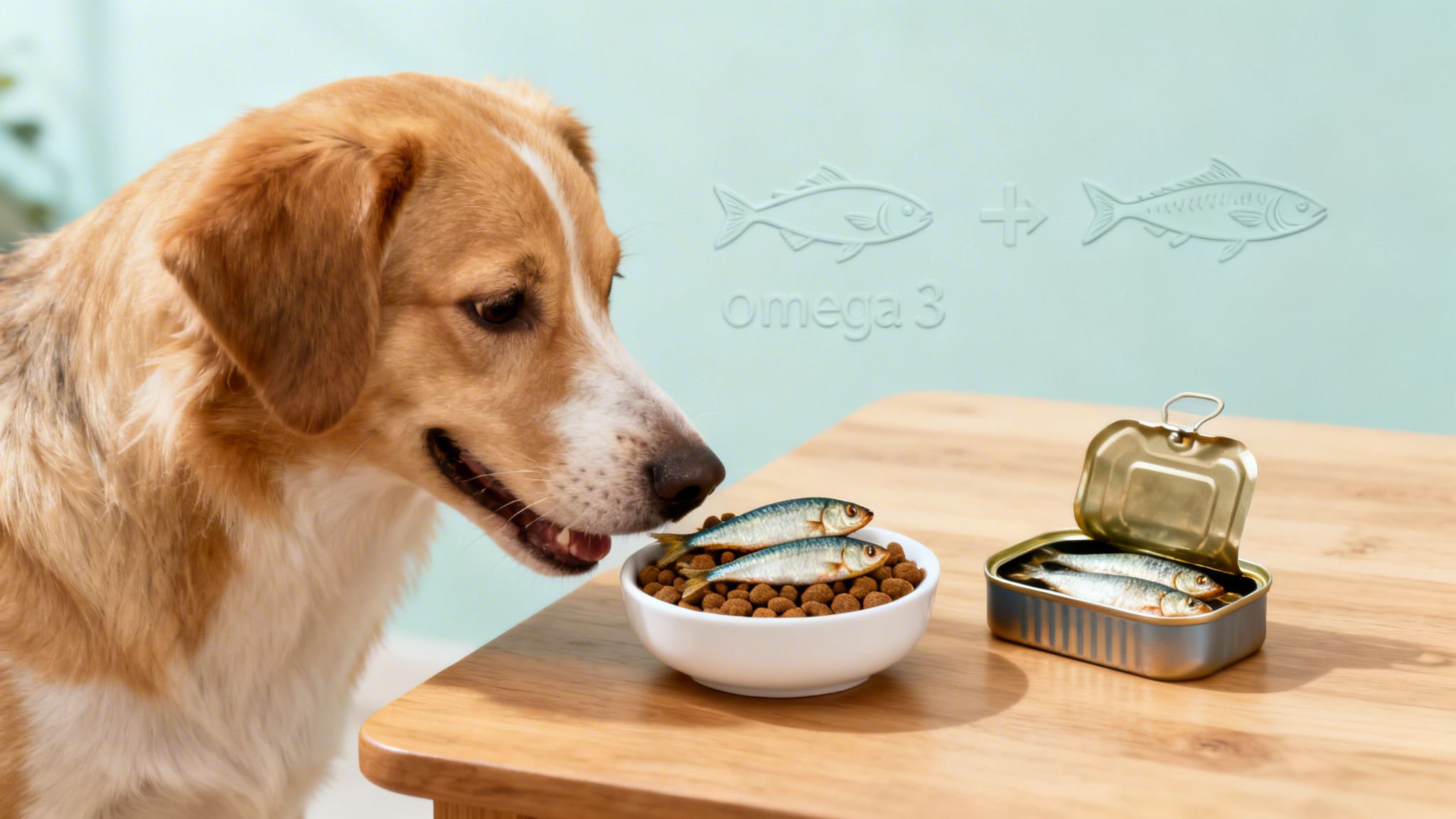
Nutrition: Your First Line of Defense Against Poop-Eating

Before you dive into complex training, let's talk about what's going into your dog's food bowl. More often than not, this unpleasant habit starts right there. A lot of commercial dog foods are loaded with fillers like corn and soy that don't offer much real nutrition.
If your dog isn't getting the nutrients they need from their food, their instincts can kick in to find them somewhere else. Yes, sometimes that means turning to the most disgusting "snack" imaginable in the backyard. This is especially common if their kibble is hard to digest, leaving undigested food in their stool that makes it seem more appealing to them.
Switching to a Better Bowl
Upgrading to a high-quality, easily digestible food can honestly be a game-changer. When you're at the store, flip the bag over and look at the ingredients. You want to see real meat listed first, not vague terms like "meat by-products."
It's also crucial to feed a food that's right for your dog's life stage—puppy, adult, or senior. A growing puppy needs a completely different nutritional profile than a mature dog, and the wrong formula can lead to the exact deficiencies that trigger poop-eating.
Expert Tip: I always tell my clients to think of it this way: better food going in means better nutrients get absorbed. That leaves less undigested "good stuff" in the poop coming out, making it far less interesting to your dog.
A truly balanced diet closes the nutritional gaps that often drive this behavior. When you make sure your dog is getting everything they need from their meals, you’re tackling one of the biggest root causes head-on.
Giving Their Gut a Boost
Even with great food, some dogs need a little extra help. Supporting their gut health with the right supplements can make a massive difference in curbing this habit. A happy gut absorbs nutrients better and can quiet those weird cravings.
Here are a few things that really work:
- Digestive Enzymes: These are fantastic for helping your dog's body break down fats, proteins, and carbs. When food is fully broken down, the waste that comes out is just... waste. Nothing tempting about it.
- Probiotics: Good gut bacteria are essential. Probiotics help create a healthy gut environment, which not only improves digestion but can also reduce the impulse to scavenge for nutrients in poop.
- Prebiotics: Think of these as the fertilizer for the good bacteria. Prebiotics help the probiotics do their job even better.
These supplements team up to get your dog's digestive system running smoothly. When their gut is balanced, they feel better, and they're much less likely to keep up with gross habits like eating poop. By focusing on nutrition first, you're building a solid foundation for all your other training efforts.
Training and Management: Your Daily Game Plan

While sorting out your dog's diet is a huge first step, what you do every day is what truly changes the behavior for good. Your mission is to make eating poop both impossible and unappealing. This comes down to a combination of smart management and consistent training.
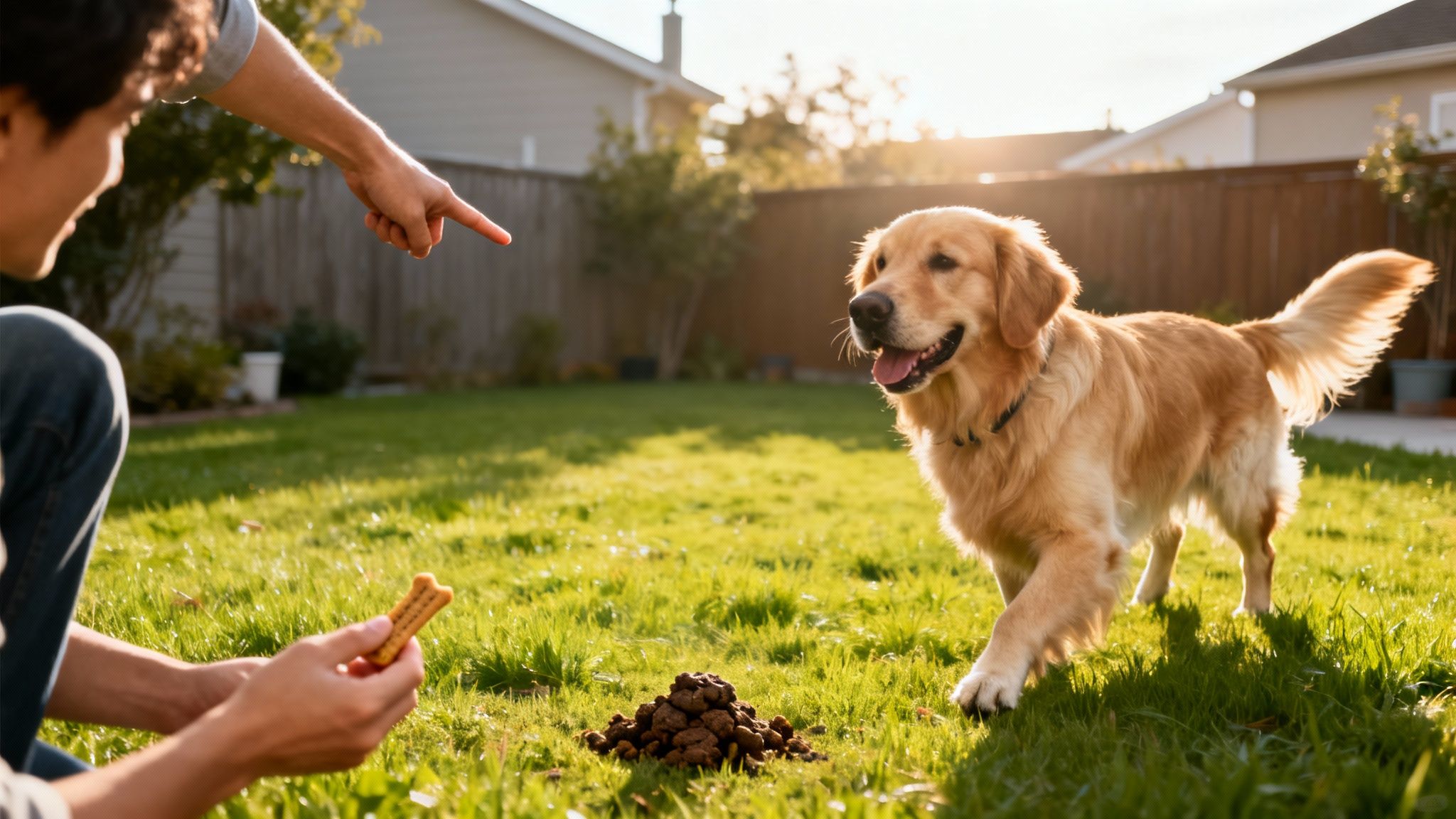
Management is often the most direct and effective tool you have. Simply put, if your dog can't get to the poop, they can't eat it. This means you have to be vigilant about scooping the yard right after they go. On walks, a leash is your best friend—it gives you the control to steer them away from a "snack" before they even notice it.
Teach Them What to Do Instead
Training is all about redirecting your dog's focus in a positive way. Yelling or punishing a dog for this behavior often backfires. It can create anxiety and even encourage them to eat the evidence faster next time. Instead, we want to teach them a better choice.
Two commands are absolute game-changers here:
- "Leave It": This is non-negotiable. Start small, practicing at home with something boring, and reward them like crazy just for looking away from the item and back at you. Over time, you can work up to more tempting things.
- "Come": A reliable recall is essential. As soon as your dog finishes their business, call them to you in your happiest voice. When they get to you, give them an amazing, high-value treat. This teaches them that running to you is way more rewarding than investigating what they just left behind.
The goal is to make turning away from poop the best, most exciting decision your dog can make. Positive reinforcement makes training a fun game and strengthens your bond.
A Busy Brain is a Happy Brain
Sometimes, the culprit is just plain boredom. A dog without a job will often invent one for themselves, and it’s rarely a job we approve of. Keeping your dog mentally stimulated can work wonders.
Think beyond just a walk around the block. Give their brain a workout! Puzzle toys, "find it" games with treats hidden around the house, or even a short session of trick training can make a huge difference.
A dog that is both physically tired and mentally engaged is far less likely to pick up bad habits.
When It’s Time to Call the Vet
While you can solve many cases of poop-eating at home with diet and training adjustments, there are times when you absolutely need a professional opinion. You should always talk to your vet if the behavior starts out of the blue, especially in an adult dog that has never done it before.
Think of it like being a detective. A sudden, new behavior is often the biggest clue that something else is going on under the surface. It's rarely just a quirky new habit.
Red Flags That Warrant a Vet Visit
If you see your dog eating poop along with any of the following signs, don't wait. It's time to schedule an appointment.
- Sudden weight loss, even if they're eating normally
- Lethargy or just a general lack of their usual energy
- Changes in their stool, like persistent diarrhea or constipation
- Drinking or urinating a lot more than usual
These symptoms, combined with coprophagia, can signal anything from intestinal parasites to more serious issues like enzyme deficiencies or metabolic problems. Your vet is the only one who can definitively figure out how to stop dogs from eating their feces when a medical condition is the root cause.
Getting a full check-up gives you peace of mind. You can either find and treat a hidden health issue or confidently rule one out. This lets you focus your efforts on training and nutrition, knowing you've done your due diligence for your dog's health.
When you go to your appointment, be ready to share the details. Your vet will want to know about your dog’s diet, any recent changes to their routine, and every little symptom you've noticed. A fecal exam is almost always the first step to check for parasites, and they might suggest blood work to get the full story on your dog's health.
Your Top Questions About Coprophagia, Answered
Even when you have a plan, this particular habit can leave you with a lot of questions. It’s a baffling behavior, and frankly, the internet is full of conflicting advice. Let's tackle some of the most common things dog owners ask when trying to get a handle on this.
Will My Puppy Outgrow This Habit?
It’s true that puppies explore the world with their mouths, and sometimes that exploration leads them to… well, you know. For many, it's just a phase driven by simple curiosity.
That said, don't just cross your fingers and hope for the best. This is a habit you want to get ahead of before it sticks. Keep your puppy’s area spotless, ensure they're on a high-quality puppy food, and start teaching a solid "leave it" command from day one. While many pups do move past this stage, being proactive is your best bet.
Do Home Remedies Like Pineapple Actually Work?
You’ve probably heard it all: add pineapple, pumpkin, or even meat tenderizer to your dog’s food. The theory is these things will make the poop taste awful to your dog.
While you'll see these tips all over the web, there is no scientific evidence that they actually work consistently. The reality is, most dogs just aren't put off by the slight change in taste.
Instead of trying to make poop taste bad, you'll get much better results by addressing the root cause. A highly digestible diet, proper gut health support, and consistent training will do far more than any unproven home remedy.
How Long Until I See a Change?
This is where patience and consistency become your best friends. When you make positive changes to your dog's diet and add supplements to support their digestion, you can often see an improvement in their overall gut health and behavior within 4 to 6 weeks.
As for training, that depends entirely on your dog and how long they've been practicing this habit. But with daily "leave it" sessions and a serious commitment to keeping the yard clean, you can definitely see progress in just a few weeks. The real magic happens when you combine all these strategies—diet, training, and management—and make them part of your everyday routine.

Karolis is the Founder of FORMA, a pet wellness brand focused on longevity and daily nutrition for dogs. Writes about supplements, canine health, and helping pets live longer, healthier lives
Join thousands of pet parents getting science-backed health insights and natural care advice