A Practical Guide to the Whole Food Diet for Dogs
Discover the whole food diet for dogs. This guide explains the benefits, safe ingredients, and how to start for your dog's health and longevity.

So, what exactly is a whole food diet for dogs? Think of it this way: it’s the difference between you grabbing a highly processed snack from a box and sitting down to a home-cooked meal made with real, fresh ingredients. It’s about feeding your dog food you can actually recognize.
What Is a Whole Food Diet for Dogs?

Simply put, a whole food diet means your dog’s bowl is filled with ingredients like lean chicken, crisp carrots, and wholesome brown rice. You won't find a long list of chemical-sounding names or mysterious "meals" and by-products.
The focus is on using fresh, human-grade ingredients that are gently cooked. This careful preparation helps keep the nutrients intact and makes them more bioavailable, which just means your dog's body can absorb and use all that goodness more easily.
The Shift Toward Natural Diets
You’ve probably noticed more and more dog owners talking about fresh food. This isn't just a fad—it’s a real shift in how we think about our dogs' health. Many of us, especially millennial pet parents, see our dogs as part of the family, and we want their food to meet the same quality standards we set for ourselves.
This movement is making waves in the pet food industry. The global dog food market, valued at USD 77.17 billion in 2025, is expected to grow to USD 117.22 billion by 2034. North America is leading the charge with a 46.21% market share, largely because owners are looking for natural diets to improve their dogs' gut health and help them live longer. You can dig deeper into these trends with these pet nutrition insights at Fortune Business Insights.
This shift is about more than just food; it's about proactively investing in our dogs' long-term health. By choosing identifiable ingredients, we gain more control over what goes into their bowl.
To really see the difference, it helps to put a whole food diet side-by-side with the traditional kibble that has dominated pet store shelves for decades.
Whole Food Diet vs Traditional Kibble
The contrast between these two feeding philosophies becomes crystal clear when you examine the ingredients and how they're processed. A whole food approach is all about freshness, while traditional kibble is built for shelf stability, often at a nutritional cost.
Here's a straightforward comparison:
At the end of the day, moving to a whole food diet is a choice for transparency and quality. It’s about giving your dog nutrition that’s as close to its natural source as possible, which builds a powerful foundation for a happy, healthy life.
The Health Benefits of a Whole Food Diet
Switching your dog from processed kibble to a whole-food diet is about so much more than just a menu upgrade. It's about laying a new foundation for their health from the inside out. When you focus on fresh, recognizable ingredients, you’re giving their body the tools it needs to truly thrive.
This isn't just a niche trend, either. More and more dog owners are seeing the light, and the proof is in the numbers. The organic pet food market is expected to balloon from $2.54 billion in 2024 to an estimated $5.65 billion by 2033. It's a clear sign that owners are connecting the dots between clean eating and long-term health for their companions. You can dig into more of the data on this incredible growth at Petfood Industry.
Better Digestion and Gut Health
Think about what your dog's digestive system goes through trying to break down highly processed kibble day after day. It's like running a high-performance engine on low-grade fuel. Sure, it runs, but it puts a lot of extra strain on the whole system. Whole foods, on the other hand, are gently cooked and naturally easy for a dog’s body to recognize and digest.
This means your dog can actually absorb more of the good stuff from their meals. It also helps cultivate a healthy gut microbiome—that all-important community of good bacteria in the digestive tract that impacts everything from nutrient absorption to mood.
A healthy gut is the cornerstone of a healthy dog. When digestion is working smoothly, the body can put its energy where it matters most: healing, playing, and living a full life.
One of the first things owners notice after making the switch is a dramatic improvement in their dog's potty habits. We're talking more consistent, well-formed stools and a lot less gas. It's a simple, but very welcome, change.
A Stronger Immune System
It might sound surprising, but around 70% of your dog’s immune system is located right in their gut. This creates a direct line between what they eat and how well their body can defend itself. A diet loaded with processed fillers and artificial additives can trigger chronic, low-grade inflammation, keeping the immune system constantly on high alert.
Whole foods are the antidote. They come packed with natural anti-inflammatory compounds that help calm things down.
- Antioxidants: Found in colorful fruits and veggies like blueberries and spinach, these fight off damaging free radicals that can harm cells.
- Omega-3 Fatty Acids: Sourced from fatty fish like salmon, these healthy fats are famous for their ability to cool inflammation throughout the body.
By feeding these powerful nutrients, a fresh diet helps ensure your dog’s immune system is strong and ready for real threats, not exhausted from fighting their own food.
Support for Longevity and Healthy Aging
We all want our dogs to stay with us for as long as possible, and a whole-food diet is a powerful tool for supporting them as they age. High-quality, lean proteins from sources like turkey help them maintain strong muscles, which is absolutely critical for keeping them mobile and active in their senior years.
Beyond that, the phytonutrients in fresh vegetables and fruits act like tiny bodyguards for their cells, protecting them from the oxidative stress that drives the aging process. A diet rich in these nutrients helps keep your dog’s mind sharp and their body resilient well into their golden years.
A Calmer and More Balanced Temperament
Ever heard of the gut-brain axis? It’s a real thing—a constant two-way conversation happening between your dog’s digestive system and their brain. If the gut is out of whack, it can send stress signals straight to the brain, which can show up as anxiety or other behavioral issues.
By nourishing the gut with whole foods, you can help foster a calmer, happier state of mind. The stable, slow-release energy from complex carbs like sweet potatoes and brown rice also prevents the sugar highs and crashes that can make a dog feel frantic or lethargic. A well-fed dog is very often a much more balanced companion.
4 Key Building Blocks for Your Dog’s Whole-Food Meal
Putting together a whole-food meal for your dog doesn't have to be a complicated culinary project. Honestly, the best way to think about it is like building your own healthy lunch bowl. You start with a good protein, toss in some colorful veggies, add a healthy fat, and finish with a quality carbohydrate. That’s it.
The focus isn’t on becoming a gourmet dog chef overnight. It's about learning the basic components that make a meal nutritious and delicious for your pup, using fresh ingredients you can trust.
This approach directly supports your dog's core health systems, leading to some amazing benefits.

As you can see, what goes into their bowl has a powerful effect, improving everything from digestion and immunity to their overall mood and calmness.
Here’s how to build that perfect bowl, piece by piece.
Start with a Foundation of High-Quality Protein
Protein is the absolute cornerstone of your dog's diet. It’s what builds and repairs their muscles and tissues, and it's a primary source of energy. I always recommend sticking to clean, lean, and gently cooked protein sources.
- Lean Meats: Unseasoned ground turkey, chicken breast, or lean beef are fantastic choices. They're full of amino acids that are easy for your dog’s body to put to work.
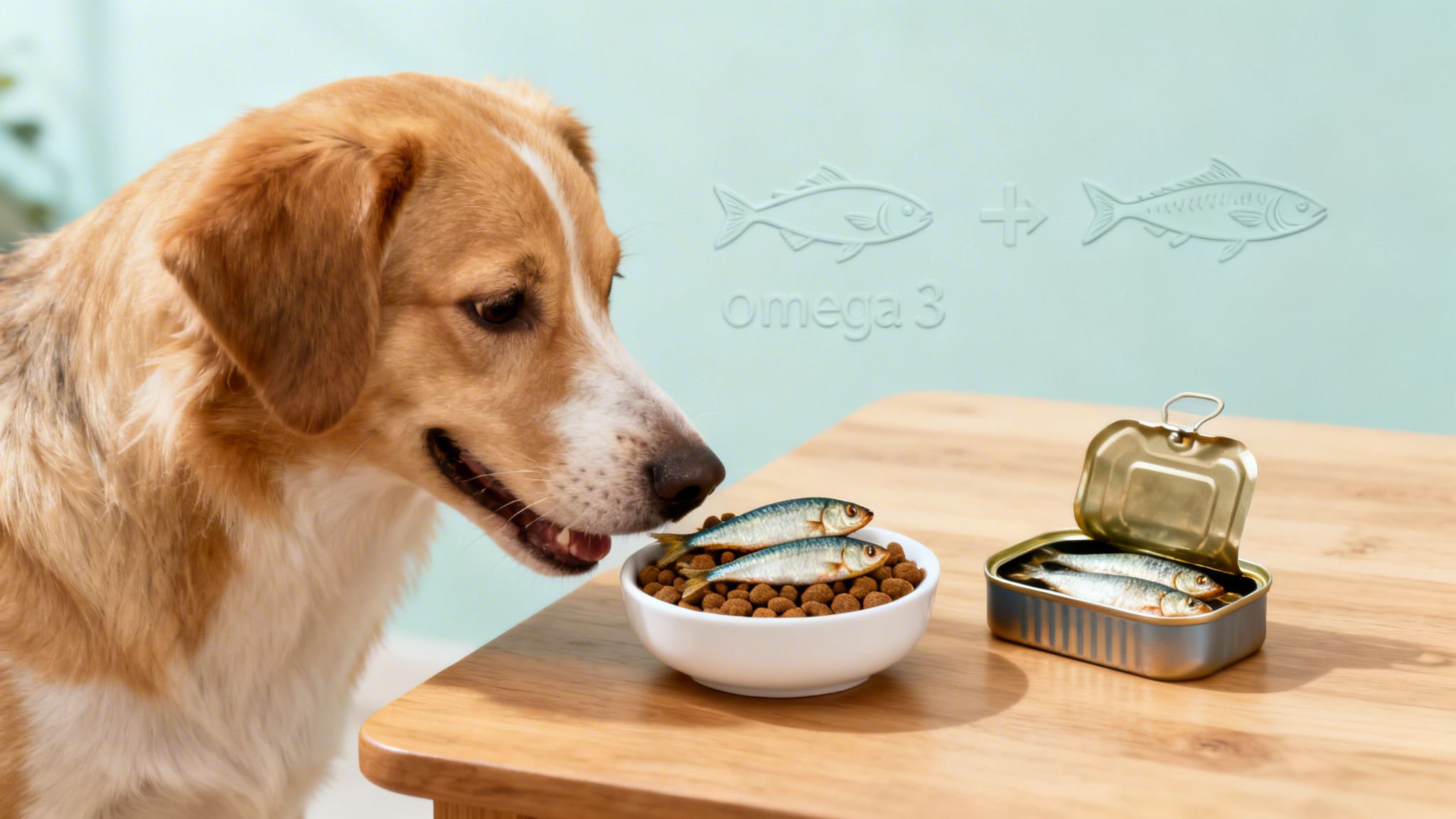
- Fish: Salmon is a true superstar here. Not only is it a great protein, but it’s loaded with anti-inflammatory omega-3 fatty acids. Just make sure it’s cooked through with all bones removed.
- Eggs: Don't forget about eggs! They are a nutritional powerhouse, providing a complete and highly digestible protein source.
Try rotating through different proteins to give your dog a wider variety of nutrients over time.
Mix in Nutrient-Dense Veggies and Fruits
Next up are vegetables and fruits. Think of these as your dog's natural multivitamin, delivering essential vitamins, minerals, and antioxidants that help fight inflammation and protect their cells. They don't need a huge portion, but a little bit adds tremendous value.
That splash of color in their bowl is more than just pretty—it's a sign of a meal packed with nutrients. Leafy greens and bright berries are your dog's best friend.
Some of the safest and most beneficial options include:
- Leafy Greens: Lightly steamed spinach or kale are great for adding vitamins A, C, and K. Steaming just helps make them easier to digest.
- Crunchy Veggies: Carrots and green beans are wonderful low-calorie additions that provide fiber. The crunch of a raw carrot is also great for their teeth!
- Berries: A few blueberries or strawberries offer a potent antioxidant boost to support a strong immune system.
Add a Dose of Healthy Fats
Fat has gotten a bad rap over the years, but the right fats are absolutely critical for your dog. They’re a fantastic source of concentrated energy, and they’re essential for absorbing certain vitamins, keeping their coat shiny, and supporting brain function.
The most important fats to focus on are omega-3 fatty acids, which are known for their powerful anti-inflammatory benefits.
- Fish Oil: A high-quality salmon or pollock oil is one of the easiest and most effective ways to add omega-3s.
- Flaxseed Oil: For a plant-based option, flaxseed oil is also a great source.
Just a small drizzle over their food can make a huge difference in their daily nutrient intake.
Round It Out with Smart Carbs
Finally, to make the meal complete, add a small portion of complex carbohydrates. These provide steady, slow-release energy and fiber for good digestion—unlike simple carbs that can cause energy spikes and crashes.
- Sweet Potatoes: They're delicious, easy to digest, and packed with vitamins.
- Brown Rice: A classic whole grain that offers fiber and essential minerals.
- Oats: When cooked, oatmeal is gentle on the stomach and great for dogs with sensitive digestion.
Carbs should be a smaller component of the meal compared to protein, acting as the fuel to keep them going.
Top Whole Food Ingredients for Your Dog's Health
To help you get started, here's a quick-reference table of some "superstar" ingredients that offer specific, targeted health benefits. These are fantastic additions to any whole-food rotation.
By using these four building blocks, you can confidently create a balanced, nourishing, and tasty whole food diet for dogs right from your own kitchen.
Common Mistakes to Avoid When Starting
It’s fantastic that you’re looking to feed your dog fresh, whole foods. Your heart is in the right place. But this is also where good intentions can go sideways if you’re not careful. I’ve seen many well-meaning owners accidentally create health problems by overlooking a few key principles.
The single biggest mistake? Creating a nutritionally incomplete diet. A simple bowl of chicken and rice might feel healthy, but it's a world away from what your dog actually needs to thrive. Think of it as eating nothing but salad without any protein or healthy fats—you'd run into problems eventually, and it's the same for your dog.
The Pitfall of Nutritional Imbalances
A truly balanced meal is a complex puzzle, and getting the pieces wrong can have serious long-term effects. The most common error I see is an imbalanced calcium-to-phosphorus ratio. Meat is packed with phosphorus, but if you don't add a proper calcium source to balance it out, you can risk skeletal issues down the road.
Other frequent missteps include:
- Forgetting Essential Fatty Acids: Skipping sources of omega-3s, like fish oil, often leads to a dull coat, flaky skin, and system-wide inflammation.
- Overlooking Micronutrients: It’s easy to miss tiny but mighty nutrients like zinc, iodine, and vitamin E in a homemade recipe. These are absolutely vital for a strong immune system and healthy metabolism.
- Using Unsafe Ingredients: Some human foods are straight-up toxic to dogs. Onions, garlic, grapes, and raisins should never be in their bowl.
More owners are catching on to these details. The global dog food market is expected to hit USD 61.4 billion by 2030, largely because people are demanding better, nutrient-dense options. Here in the US, 65% of dog owners are already choosing premium diets, connecting the dots between quality food, better gut health, and fewer allergy issues. You can see how this trend is reshaping the industry in these pet food market insights on PR Newswire.
How to Ensure a Balanced Diet
Knowing the risks doesn't mean you have to give up on feeding fresh food. It just means you need a solid plan to make sure every meal is truly complete. Building this safety net is what gives you the confidence to know you're doing the absolute best for your dog.
First, talk to an expert. A board-certified veterinary nutritionist is the gold standard here. They can create a recipe from scratch that’s perfectly tailored to your dog’s breed, age, and health needs. Or, they can simply review what you’re already making to spot any nutritional gaps. It's the surest way to get it right.
A whole food diet should be a complete food diet. The goal isn't just to use fresh ingredients, but to build a meal that scientifically meets all of your dog’s nutritional requirements for optimal health.
Another great approach is to use a commercial base mix or a balancing supplement. These are designed by nutritionists to be mixed with your choice of fresh protein. This takes all the complex math and guesswork out of the equation, ensuring your dog gets all the necessary vitamins and minerals. For busy owners, it's a practical, safe way to get all the benefits of a whole food diet without the risk of creating a nutritional imbalance.
How to Safely Transition Your Dog to a Whole Food Diet

Making the switch from kibble to fresh food is exciting, but it's not something you want to rush. Going from a highly processed diet to a real, whole-food one can be a big change for your dog's digestive system. The secret is to go slow. A gradual transition over 7 to 10 days gives their gut bacteria time to adjust, which helps you avoid an upset tummy.
Think about it this way: if you ate nothing but fast food for years and then suddenly switched to an all-salad diet, your digestive system would probably protest. Your dog’s body needs that same adjustment period to get used to all the wonderful new ingredients.
The Gradual Transition Schedule
The best approach is to slowly mix the new whole food into their old kibble, phasing the old food out over time. This simple method is the key to a happy gut and a successful start to your dog’s new whole food diet.
Here’s a straightforward schedule that works for most dogs over a 7-to-10 day timeframe:
- Days 1-3: Start with their bowl being 75% old food and just 25% new whole food.
- Days 4-6: Adjust the ratio to a 50/50 mix of old and new.
- Days 7-9: Now, you'll be feeding 75% new food and only 25% of the old stuff.
- Day 10: If everything is looking good, you can officially make the switch to 100% new whole food.
Keep in mind that some dogs, especially those with known sensitive stomachs, might need a bit more time. Don't hesitate to extend each stage for an extra day or two if you feel your dog needs it.
What to Monitor During the Switch
As you make this change, you're the lead detective. Keep a close eye on your dog's energy and, most importantly, their poop. It's perfectly normal to see slightly looser stools or have a little gas for the first day or two as their system figures things out.
However, if you see diarrhea that lasts more than 48 hours, vomiting, or significant lethargy, it's time to pause. Go back to the previous ratio and call your vet. This could be a sign that the transition is moving too fast or a particular ingredient isn't sitting right.
A successful transition is all about patience and observation. Your dog’s stool is the best indicator of how well their digestive system is handling the new diet.
Simple Starter Meal Ideas
To help you get started with confidence, here are a couple of simple, balanced recipes. These are fantastic introductory meals for a whole food diet for dogs because they use gentle, easy-to-digest ingredients. Just remember to cook all meats thoroughly and chop or lightly steam the veggies to make them easier to digest.
Turkey and Veggie Medley
- Protein: Cooked ground turkey
- Carb: Cooked brown rice
- Veggies: Steamed and finely chopped carrots and green beans
- Fat: A small drizzle of fish oil for those healthy omega-3s
Fish and Sweet Potato Bowl
- Protein: Cooked salmon (boneless, skinless)
- Carb: Mashed sweet potato
- Veggies: Lightly steamed and finely chopped spinach
- Fat: A touch of flaxseed oil
These simple, vet-approved meals take the guesswork out of the equation. They're a safe and manageable way to begin your journey toward a healthier diet for your best friend.
Completing Your Dog's Diet with a Daily Supplement
Even with the best intentions, making sure a homemade whole food diet for dogs is perfectly balanced every single day can feel like a full-time job. It’s easy to accidentally create small nutritional gaps over time. This is where a top-notch daily supplement can be a real lifesaver.
Think of it as your nutritional insurance policy. A great daily chew is a simple, foolproof way to fill in any gaps and make sure your dog gets the full spectrum of vitamins, minerals, and other key nutrients they need to truly flourish.
A Smart Partner for Your Fresh Diet
A supplement isn't supposed to replace the goodness of fresh, real food. The goal is for it to work with the fresh diet, boosting the benefits you’re already providing. The right science-backed formula can take your dog's health to the next level by delivering specific ingredients that support their most important systems.
For example, a high-quality chew can offer concentrated support for:
- A Strong Immune System: By providing powerful antioxidants that might not always be abundant in a typical homemade meal.
- Healthy Digestion: With prebiotics and probiotics that help maintain a balanced gut microbiome.
- A Calm Mood: Using natural compounds known to help soothe the nervous system and ease anxiety.
This strategy takes the pressure off you while giving your dog’s wellness a major boost. You get the peace of mind knowing their nutritional needs are covered, no matter how hectic your day gets.
Adding Targeted Support with Probiotics and More
While a good all-in-one superfood chew handles the essentials, you can always add other nutrients to address your dog's specific needs. For instance, fish oil is a fantastic addition for extra anti-inflammatory power and to promote a shiny, healthy coat.
A supplement’s job is to perfect an already great diet. It’s the final step that guarantees no crucial nutrient gets left behind, turning a good meal into an optimal one for a long, healthy life.
You might also want to look into the best probiotics for dogs if you want to give their digestive system even more targeted help. When you combine the power of whole foods with the precision of a daily supplement, you create a simple routine that just works.
This two-part approach ensures your dog gets the best of both worlds: the incredible nourishment of a fresh, whole food diet for dogs and the complete, guaranteed nutrition of a science-backed supplement. It’s a smart partnership that removes the guesswork, allowing you to confidently feed fresh food without ever worrying about hidden nutritional gaps.
Frequently Asked Questions
Thinking about switching your dog to a whole-food diet? It's natural to have a few practical questions. Let's tackle some of the most common ones we hear from dog owners so you can get started on the right foot.
Is a Whole Food Diet Expensive?
Let's be honest: yes, it can cost more than a standard bag of kibble. But it doesn't have to break the bank. You can definitely make it more affordable by being a savvy shopper. Buying produce that's in season, opting for less expensive proteins like ground turkey, and cooking in big batches to freeze for later are all great ways to keep costs down.
It also helps to think of it as an investment in their health. Many owners find that what they spend on better food, they save on vet bills for things like skin flare-ups or tummy troubles down the line.
How Much Time Does Meal Prep Take?
There's no getting around it—prepping fresh meals takes more time than scooping kibble. But once you get into a groove, it's totally manageable. Most people find that setting aside a couple of hours on a Sunday is all they need to cook proteins, chop veggies, and portion out meals for the week ahead.
Think of it like your own meal prep. An hour or two of focused work on a Sunday can save you a significant amount of time and stress during a busy week.
Tools like a slow cooker or a pressure cooker can be a huge help here. You can throw in a large batch of meat and vegetables and let it cook with very little hands-on effort. The real secret is just finding a routine that fits your life.
Is This Diet Safe for Puppies and Senior Dogs?
Yes, but this is one area where you need to be extra careful. Puppies and seniors have very different nutritional needs than adult dogs, and getting it right is crucial.
Puppies: They're growing fast and need just the right balance of calcium and phosphorus for strong bones, plus specific amino acids and a lot more calories to fuel all that development.
Senior Dogs: They often need fewer calories to avoid gaining weight, but more joint-supporting omega-3s and high-quality, easy-to-digest protein to help them keep their muscle mass.
A standard recipe just won't cut it for these special life stages. It's absolutely essential to work directly with a veterinary nutritionist. They can formulate a diet perfectly tailored to your puppy’s growth or your senior’s unique needs, ensuring they get all the benefits of fresh food without any of the risks.

Karolis is the Founder of FORMA, a pet wellness brand focused on longevity and daily nutrition for dogs. Writes about supplements, canine health, and helping pets live longer, healthier lives
Join thousands of pet parents getting science-backed health insights and natural care advice